The meaning of motifs in Vietnamese lacquer art: lotus, bamboo, countryside, old quarter serves as a visual language for cultural identity. These recurring symbols allow you to connect with the deep spiritual and historical roots of Vietnam through traditional resin techniques. By observing these elements, you can understand how nature and heritage shape the narratives within modern fine art.
You can learn to distinguish between different symbolic themes like rural landscapes and urban history. This information helps you decide which specific atmosphere suits your personal collection or interior space. You will also be able to identify common artistic techniques used to create these layered stories.
What do traditional motifs represent in Vietnamese lacquer?
In Vietnamese lacquer art, every visual element serves as a carrier of cultural values and historical narratives. These motifs are not merely decorative choices but represent deep-seated spiritual beliefs and the soul of the nation. By understanding these symbols, you can appreciate how artists like Pham Thang Long weave complex stories into their compositions.
Common motifs provide specific insights into Vietnamese heritage:
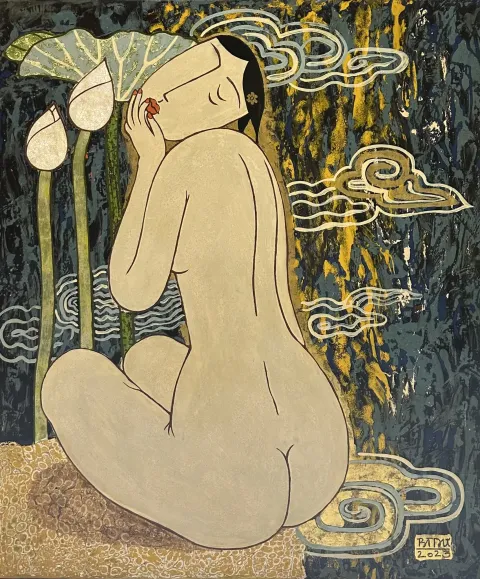
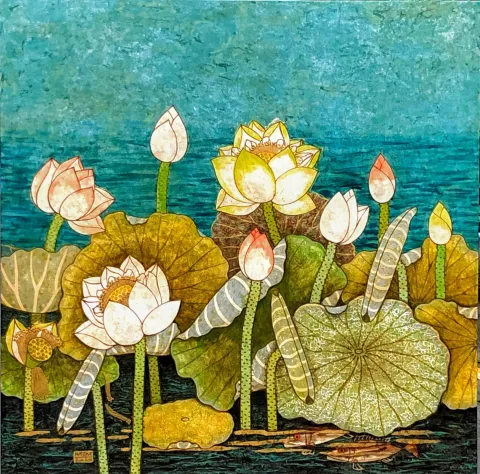
- Lotus: This flower often symbolizes purity and prosperity. You can see this reflected in works such as Golden Lotus Pond or Auspicious Lotus, which evoke a sense of peace and spiritual growth.
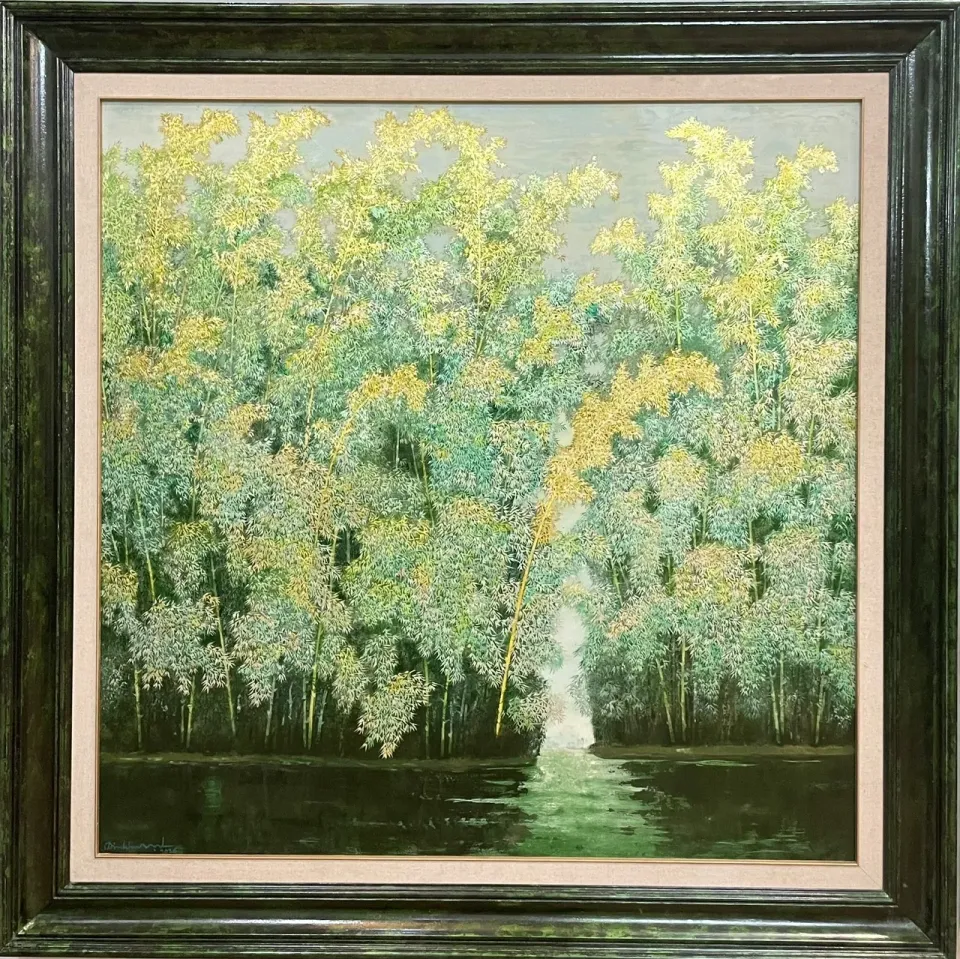
- Bamboo: Representing strength and resilience, bamboo is a staple of the Vietnamese countryside landscape.
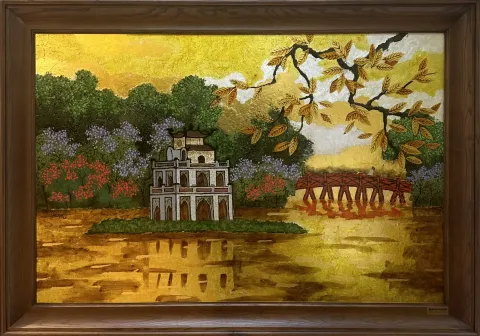
- Old Quarter: Depictions of this historic area capture the passage of time. Artists use weathered walls and mossy rooftops to preserve the atmosphere of old Hanoi, often seen in pieces like Summer in the Old Quarter.
To better understand the specific narrative of a piece, you might consider these questions for the gallery:
- What specific historical period does this depiction of the Old Quarter represent?
- How does the artist use the lotus motif to convey a particular mood or emotion?
For more information on how these symbols interact with light and color, you can read about Pham Thang Long: Light, Lotus and Luminosity.
Symbolism of lotus and bamboo in Vietnamese culture
Vietnamese lacquer art utilizes natural elements to convey deep moral virtues and spiritual beliefs. Two of the most prominent motifs are the lotus flower and the bamboo stalk, both of which represent core aspects of the national identity.
The lotus is a central symbol often associated with purity and resilience. Because it rises from muddy waters to bloom beautifully, it serves as a metaphor for personal integrity and spiritual awakening. You can see this symbolism expressed in various ways across different artworks:
- Lotus of Prosperity by Pham Thang Long emphasizes the flower as a sign of wealth and good fortune.
- Golden Lotus Pond by Pham Thang Long highlights the serene beauty of the aquatic bloom.
- Auspicious Lotus by Pham Thang Long uses the motif to evoke a sense of sacredness and peace.
In contrast, bamboo represents the strength and flexibility of the Vietnamese people. Its ability to bend without breaking in heavy storms symbolizes endurance and an unyielding spirit. While the lotus speaks to internal purity, bamboo reflects external fortitude. When viewing these motifs together, you can observe a balance between soft grace and firm determination.
To better understand how these symbols appear in a specific piece, you might ask the gallery:
- How does the artist use light to emphasize the texture of the bamboo?
- Does this particular lotus motif lean toward a spiritual or secular interpretation?
Depictions of the countryside and old quarter scenes
Choosing between a rural landscape or an urban scene depends on the atmosphere you wish to create in your home. Vietnamese lacquer art allows you to select from two distinct types of scenery that reflect different facets of national identity.
The old quarter represents the enduring soul of Hanoi, focusing on historical textures and architecture. For instance, Pham Thang Long captures these memories through works like Old quarter 2 or Hanoi Old Quarter 1. These pieces highlight weathered walls and mossy rooftops to evoke a sense of nostalgia.
Alternatively, countryside scenes offer a peaceful connection to nature and rural life. You might consider these options based on your personal preferences:
- Urban Heritage: Select works like Old quarter 4 if you appreciate the intricate details of city history and vibrant red trees.
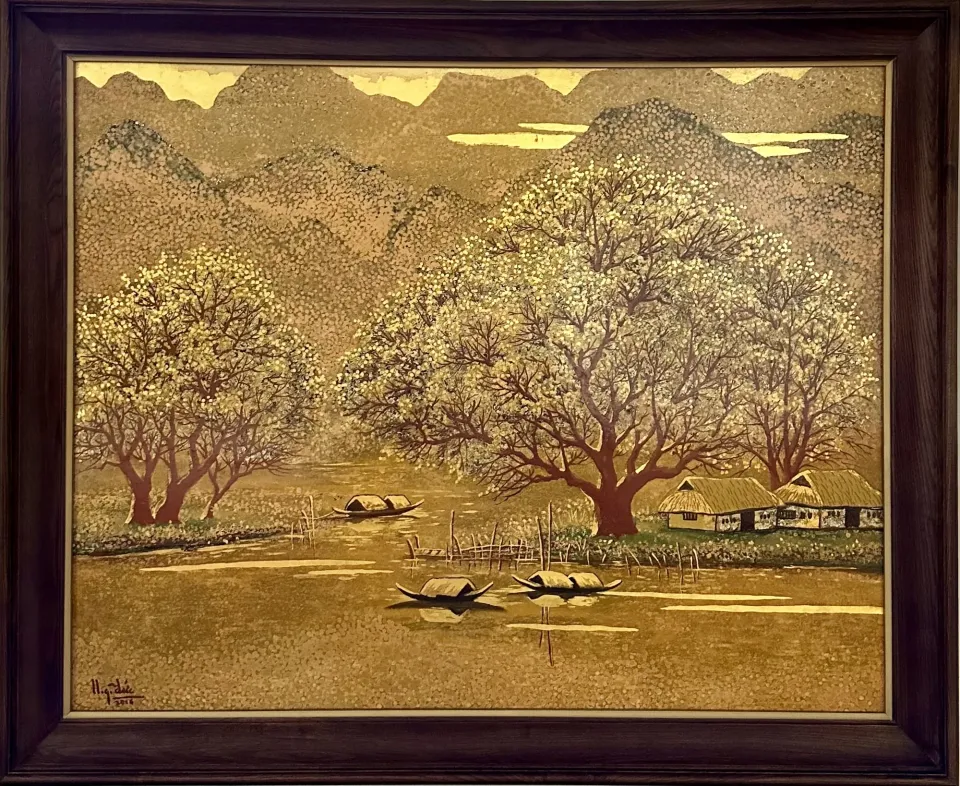
- Rural Serenity: Look for paintings depicting village life or natural landscapes to bring a calm, open feeling into your space.
To decide which style fits your interior, consider these questions for the gallery:
- Does this specific painting emphasize architectural details or atmospheric light?
- How do the colors in this landscape interact with my existing wall tones?
How to identify symbolic storytelling in a painting
Distinguishing between purely decorative art and meaningful narrative work requires looking at the intent behind each visual element. In Vietnamese lacquer, symbols like the lotus or bamboo are not merely aesthetic choices but carry specific cultural weights. You can recognize true storytelling when an artist combines these motifs to evoke a particular mood or historical memory.
To better understand the depth of a piece, consider these steps:
- Examine how light interacts with the layers of resin to highlight textures like weathered walls.
- Observe if the composition focuses on a specific cultural landmark or a generalized nature scene.
- Look for emotional resonance in details such as moss-covered rooftops or flaming red trees.
For example, you might compare two different approaches by artist Pham Thang Long. One piece may focus on the spiritual purity of the Golden Lotus Pond, while another captures the lived history of a city through Hanoi Old Quarter 1. While both use traditional lacquer techniques, one emphasizes serene nature and the other tells a story of urban endurance.
If you are unsure about the specific narrative of a work, you can ask the gallery:
- What specific historical era or local legend inspired this particular scene?
- How does the artist balance traditional symbolism with modern artistic expression in this piece?
Questions to ask the gallery before purchasing a motif piece
Selecting a lacquer painting with specific cultural motifs requires understanding how an artist interprets these traditional symbols. Because every painter brings a unique perspective to themes like the lotus or rural life, you should clarify their personal vision. Asking targeted questions helps ensure that the emotional tone of the work aligns with your own aesthetic goals.
Consider asking these questions to gain deeper insight into a specific piece:
- How does this artist specifically interpret the symbolism of the lotus compared to other contemporary painters?
- What personal memories or historical inspirations influenced the depiction of the Old Quarter in this particular work?
- Can you describe the emotional atmosphere intended for this countryside scene, such as whether it represents a quiet morning or a busy harvest?
- Are there specific regional nuances reflected in the architecture or flora shown in these urban scenes?
For example, if you are considering Golden Lotus Pond by Pham Thang Long, you might ask how he balances the spiritual meaning of the flower with his refined use of light. Comparing two different works, such as a village scene by Nguyen Quang Duc and an urban view by Pham Thang Long, can also help you decide which narrative suits your space. You can explore more lacquer paintings to see how these motifs vary across different collections.
Frequently asked questions
How do I know if a painting is made with real lacquer?
Lacquer paintings, known as sơn mài, involve building many layers of resin on a wooden board. You can verify the work by checking for an official Certificate of Authenticity provided with the piece. These documents are typically signed by both the artist and the gallery.
What is the difference between symbolic and decorative motifs?
Decorative motifs focus on visual appeal and aesthetic harmony within a composition. In contrast, symbolic motifs like the lotus or bamboo carry specific cultural values and moral virtues. You can distinguish them by observing if the elements tell a deeper story about heritage or personal beliefs.
Can I commission a custom piece with my own chosen symbols?
The possibility of commissioning depends on the availability and schedule of the specific artist. For instance, Pham Thang Long specializes in certain themes like the Hanoi Old Quarter. Please ask the gallery if an artist is open to creating bespoke works featuring your preferred motifs.
Does the meaning of the lotus change depending on the artist?
While the lotus generally represents purity, its specific interpretation varies based on the unique artistic vision of the painter. Some artists may emphasize prosperity while others focus on spiritual peace. You should ask the gallery for a detailed explanation of how a particular artist views these symbols.