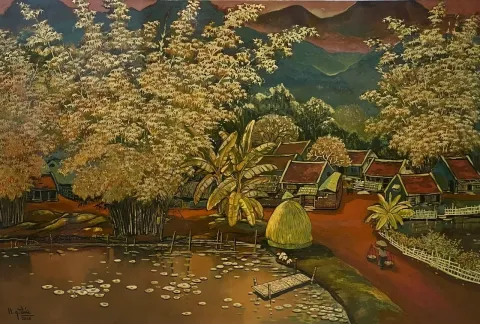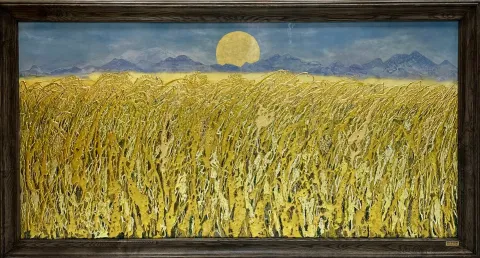
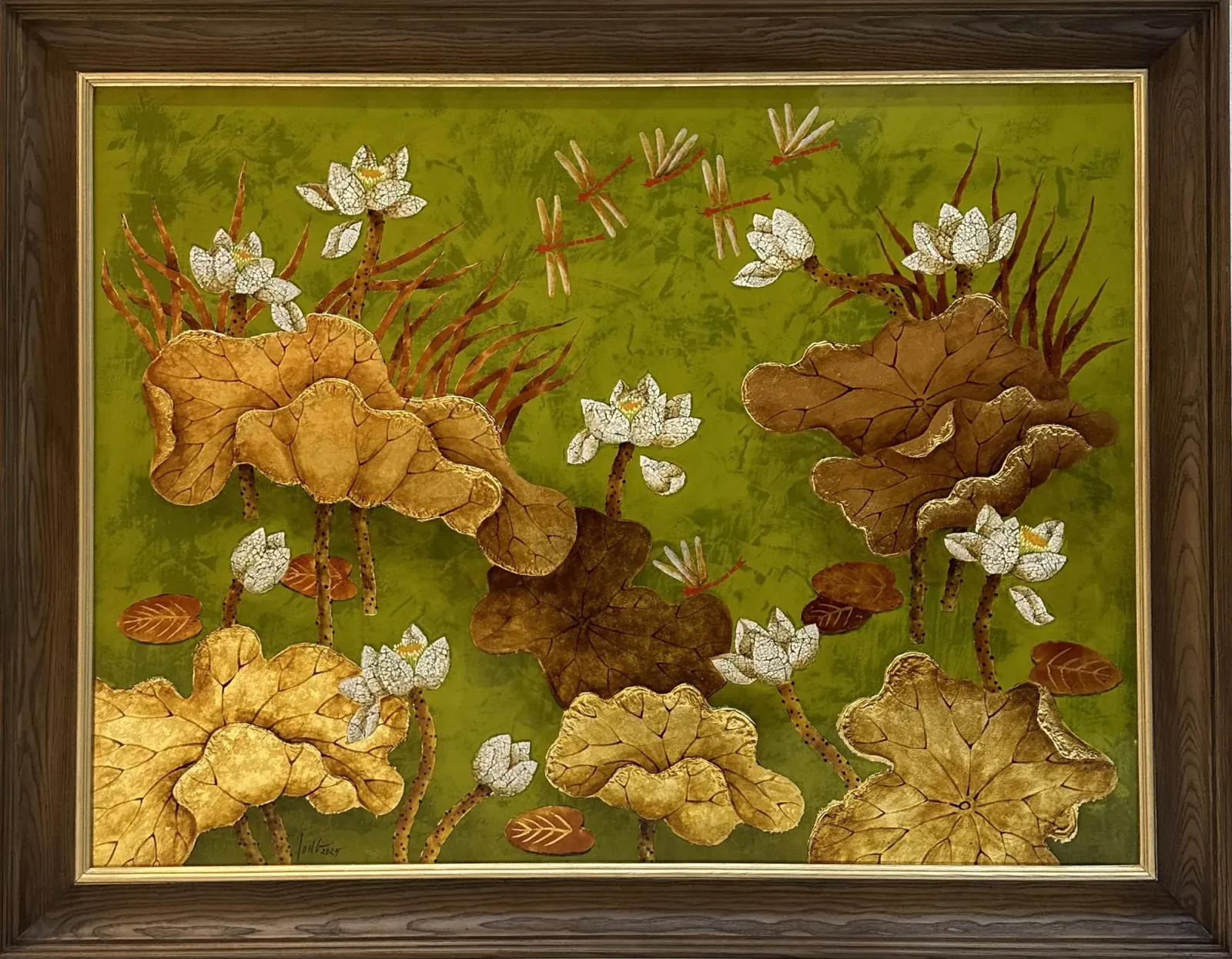
Understanding the evolution of contemporary lacquer painting styles helps you see how a traditional craft transformed into a sophisticated fine art form. This journey involves moving beyond decorative objects to create complex, conceptual expressions that reflect modern life and personal narratives. By exploring these shifts, you can better appreciate the artistic depth found in current Vietnamese works.
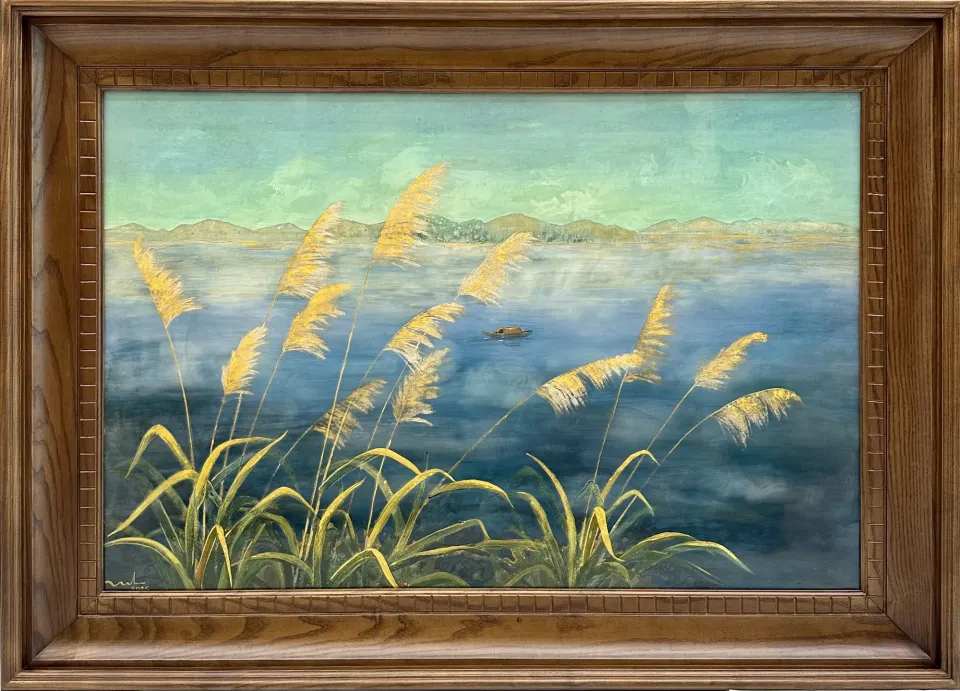
You will be able to check how subject matter transitioned from rural folklore to abstract themes. You can also decide which specific techniques, such as gold leaf or silver powder application, suit your interior design goals. To learn more about a specific work, you may want to ask the gallery about the artist’s unique stylistic influences.
What defines the transition from traditional craft to fine art?
The transition from traditional craft to fine art in lacquer painting involves a shift in artistic intent and medium status. While historical pieces often served decorative purposes or focused on religious motifs, contemporary works prioritize personal expression and complex narratives. This evolution allows artists to use the same resin bases to explore abstract concepts rather than just functional designs.
You can observe this change by comparing how different artists approach cultural heritage. For example, Discovering the Art of Thanh Chuong Lacquer shows how a specific artist combines traditional elements with modern expressions to create a recognizable style for global collectors. These works move beyond simple reproduction of folk scenes toward unique artistic voices.
Key differences in fine art lacquer
- Traditional craft often emphasizes repetitive patterns and standard motifs for household decoration.
- Fine art focuses on individual technique, such as the masterful use of gold leaf and silver powders to create depth.
- Contemporary works may explore specific social themes or personal memories rather than just general folklore.
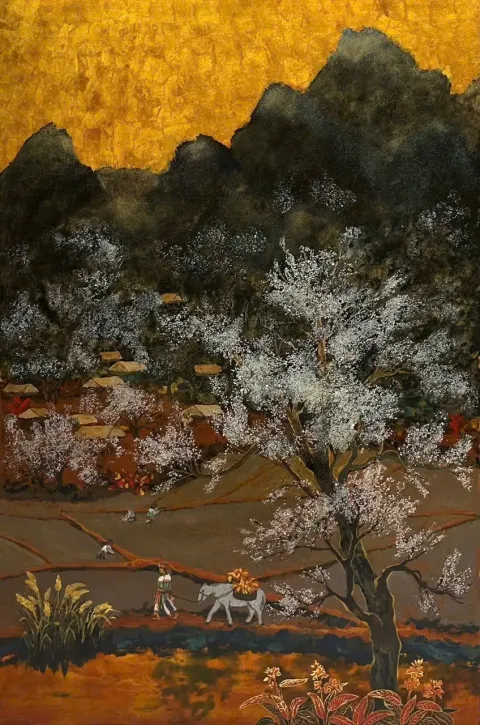
To better understand these nuances, you might consider looking at specific examples like Northern Vietnam Mountain Village. This piece demonstrates how traditional materials depict the steady rhythm of rural life through a sophisticated lens, rooted in the History of Vietnamese lacquer painting.
How can you tell if a lacquer painting is considered fine art rather than a craft object? You should look for the complexity of the layers and the unique perspective of the artist. Ask the gallery about the specific artistic journey of the painter and how they balance historical techniques with modern aesthetics.
How has subject matter shifted from folklore to abstraction?
Contemporary lacquer painting explores a wide spectrum of themes that move beyond historical motifs. While traditional works often depicted rural life or religious symbols, modern artists use the medium to express personal narratives and abstract concepts.
You can observe these shifts by looking at different thematic categories in current collections:
- Rural Life: Many works continue to honor heritage through scenes of mountain villages or farmers working terraced fields.
- Poetic Imagery: Artists create evocative pieces like Fairy or Childhood dream to capture fleeting emotions and memories.
- Cultural Portraits: Figures such as those in the work of Dinh Quan, including The Lady with lotus, blend traditional grace with modern composition.
To better understand these shifts, you might consider these steps when viewing a collection:
- Identify if the scene depicts a specific historical event or a general atmosphere.
- Look for symbols of nature, such as blossoms or bamboo, and see how they are stylized.
- Compare the use of gold leaf in narrative scenes versus its role in abstract textures.
How do artists balance cultural heritage with modern personal expression? The choice often depends on the specific goals of the artist’s journey. You may want to ask the gallery how an artist like Nguyen Thanh Chuong integrates his bold style with deep cultural inspiration.
What techniques create unique contemporary textures?
Contemporary lacquer paintings achieve their unique physical finish through the meticulous application of natural resins and metallic elements. Artists create depth by building multiple layers, allowing colors to interact and settle over time. You can observe how these textures differ depending on whether an artist emphasizes smooth surfaces or heavy tactile qualities.
Distinguishing Textural Styles
When choosing a piece for your space, consider how the following techniques might influence the visual impact of the work:
- Gilded Depth: The use of gold leaf and silver powders creates a radiant backdrop that catches light differently from every angle.
- Layered Pigmentation: Deep green and charcoal tones are built up to form mountains or landscapes, providing a sense of physical weight.
- Smooth Polishing: Some modern styles prioritize a high-gloss finish that emphasizes the fluid movement of the paint.
For example, in works by Thanh Chuong: Master of Vietnamese Lacquer Painting, you can see a bold style that merges traditional elements with modern expression. This creates a distinct surface where cultural inspiration meets contemporary technique.
To ensure a painting aligns with your interior goals, you may want to ask the gallery:
- How many layers of lacquer are applied to this specific piece?
- Does the gold leaf sit flush with the resin or create a raised texture?
- Is the finish matte, satin, or high-gloss?
How to distinguish original modern expressions from mass production?
Distinguishing between fine art lacquer paintings and commercial items requires a close look at the artistic intent and technical execution. While mass-produced pieces often prioritize uniform patterns, contemporary fine art focuses on unique expression and complex layering of materials.
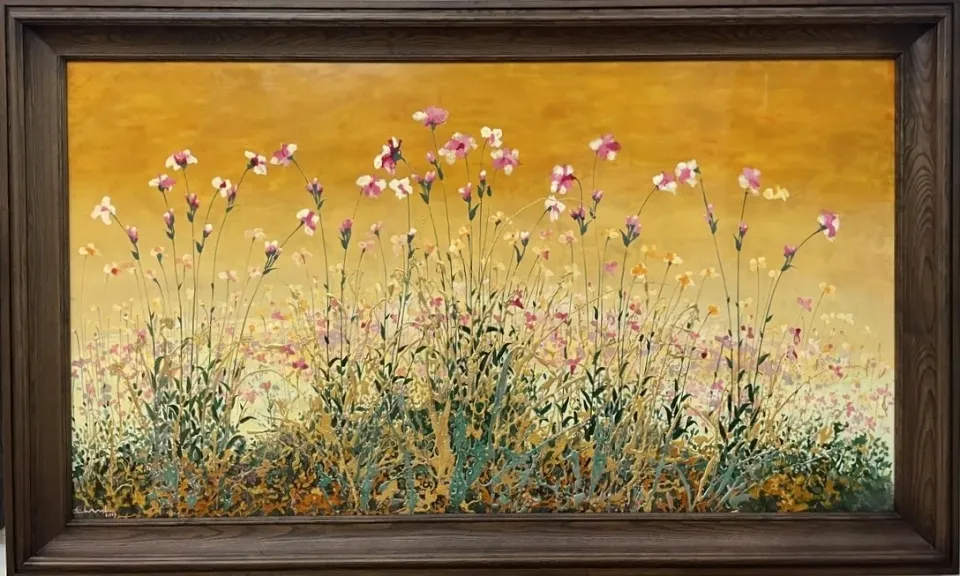
You can identify high-quality works by observing how an artist integrates traditional elements with modern styles. For example, consider the work of Nguyen Thanh Chuong, whose bold style combines deep cultural inspiration with recognizable modern expressions. Unlike decorative crafts, these pieces show a deliberate evolution of form and narrative.
To ensure you are selecting a piece of fine art rather than a commercial product, you may want to consider these visual cues:
- Examine the depth of the surface; professional lacquer involves many layers of resin and metallic powders.
- Look for unique textures created by hand-applied gold leaf or silver powders rather than flat, printed colors.
- Observe how the artist handles light; fine art often uses subtle transitions between deep charcoal tones and radiant highlights.
If you are unsure about a specific piece, you can ask the gallery:
- What specific layers of resin or metallic powders were used to create this texture?
- How does this artist’s personal style differ from traditional regional techniques?
What questions should you ask the gallery before buying?
Because every lacquer painting involves unique layers of resin and metallic powders, specific details can vary between pieces. You should ask about the individual artist’s technique to understand how they achieve certain textures or depths. For instance, a work by Dinh Quan might differ in application from other contemporary styles.
When exploring lacquer paintings, you can use the following questions to gain clarity on a specific artwork:
- What is the total number of layers applied to this specific painting?
- Which natural resins were used to create the unique luster on this surface?
- Does the artist use silver powders or gold leaf in this particular piece?
- Can you provide details on the dimensions and the weight of the work?
Comparing two different works, such as “Fairy” and a larger landscape, will help you see how scale affects the visual impact. You might ask how the artist balances traditional motifs with modern expression in this specific piece. This helps you understand if the work leans toward rural life or abstract concepts.
Frequently asked questions
How long does it take for a contemporary lacquer painting to dry?
The drying process depends on several factors including the number of layers applied and the natural environment. Because these works rely on organic resins, each layer requires significant time to set properly before the next is added. Please ask the gallery about the specific timeline for a particular work.
Can I see the artist’s portfolio of previous abstract works?
You can request more information regarding an artist’s body of work to understand their stylistic progression. While some artists focus on representational scenes like mountain villages, others explore abstract forms. You may ask the gallery for a selection of pieces that highlight different artistic directions.
Are the pigments used in modern styles eco-friendly?
Many contemporary works utilize natural resins from the sơn tree combined with traditional minerals and metallic powders. The environmental impact can vary depending on the specific materials selected by the artist for a piece. You should ask the gallery about the specific components used in a work you like.
Does the gallery provide certificates of authenticity for these pieces?
Please ask the gallery whether a certificate of authenticity is provided for the specific piece you are considering, and what it covers.