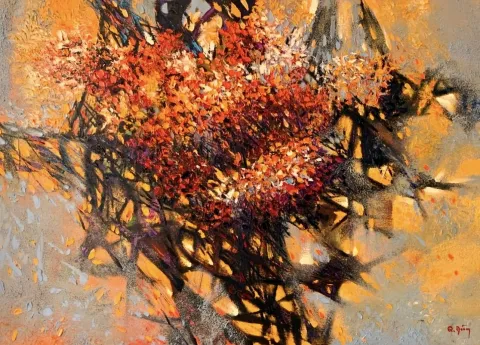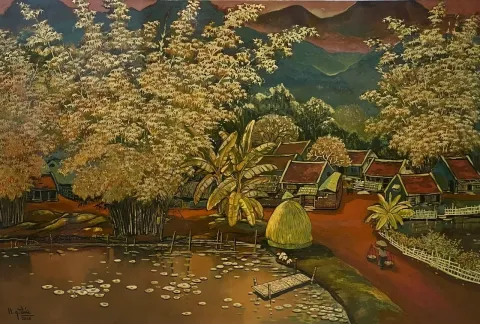
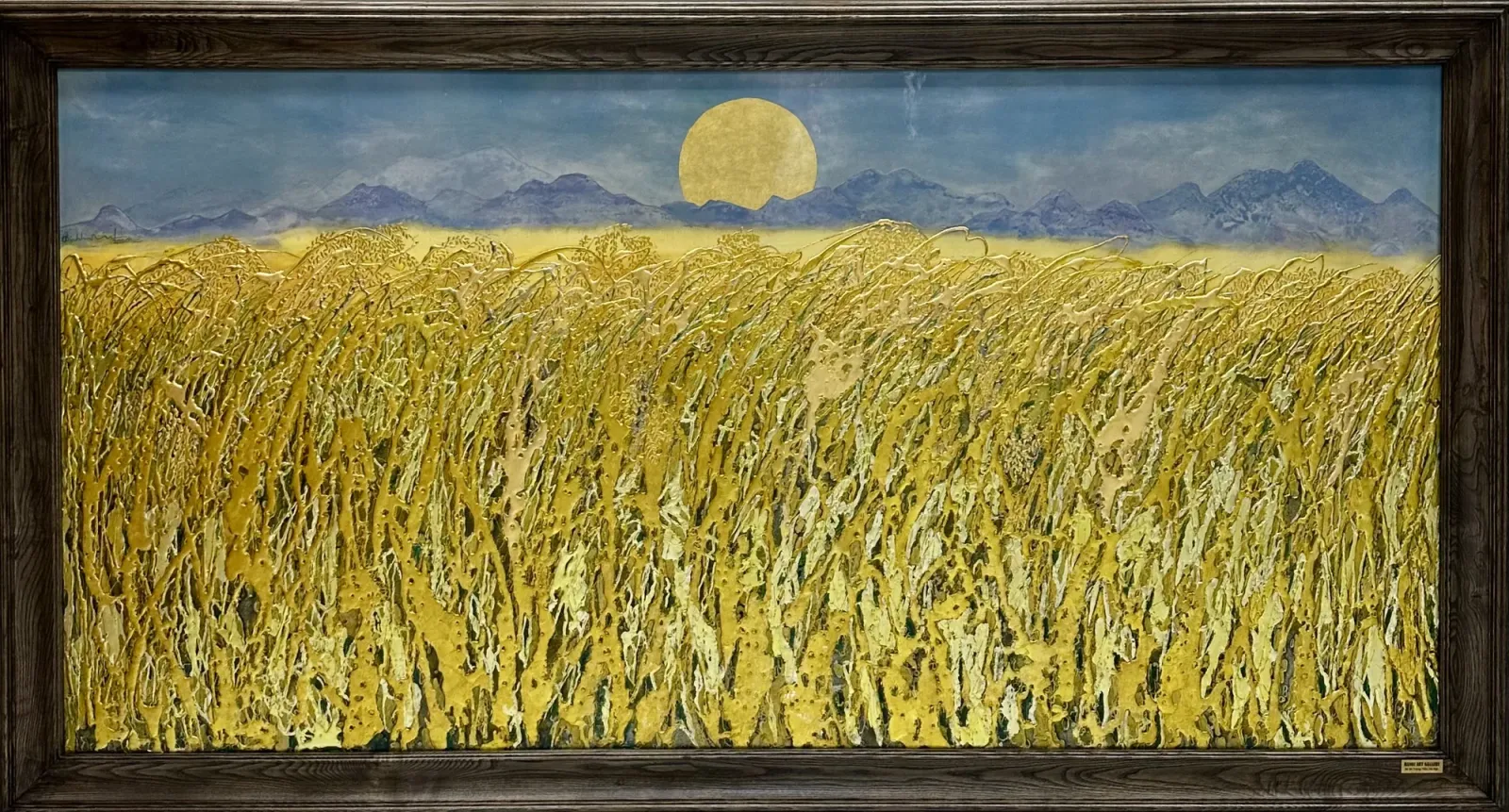
Understanding the history of Vietnamese lacquer painting from the Indochina School to today allows you to appreciate how a decorative craft became a sophisticated fine art. This evolution began in the 1930s when students at the École Supérieure des Beaux-Arts de l’Indochine transformed traditional resin techniques into modern expressions. By studying these roots, you can see how artists developed the unique depth and nuance found in contemporary works.
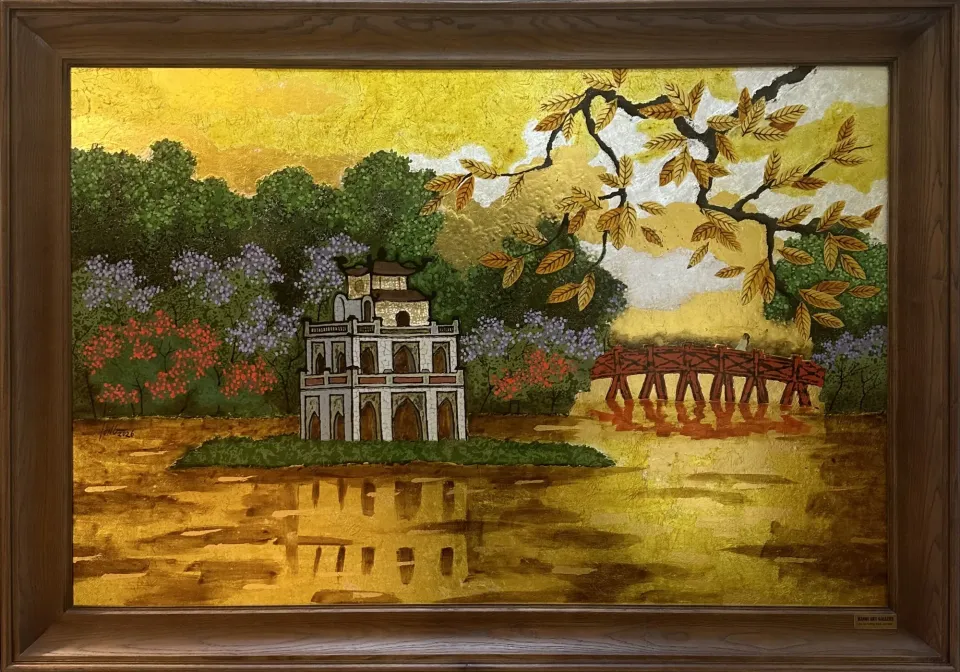
You will be able to identify key historical milestones and compare different artistic themes from the past to the present. To see these traditions in current work, browse our Vietnamese lacquer paintings. You can also learn about the specific materials used by modern painters like Dinh Viet. To help with your selection, you might ask the gallery how many layers of resin are applied to a specific piece.
What defines traditional Vietnamese lacquer art?
Understanding the history of Vietnamese lacquer painting requires looking at how a traditional craft transformed into a respected fine art. For centuries, lacquer served primarily to protect and decorate household objects or religious items. This long history provided a foundation for the technical skills that artists use today.
From Traditional Craft to Modern Fine Art
This era introduced new methods for building depth and nuance into the medium using resin tapped from the sơn tree. Painters like Nguyễn Gia Trí helped establish the artistic language that defines the form now.
Today, you can see how this evolution continues through various styles and themes:
- Traditional roots: Using natural resin to build many layers on a wooden board.
- Indochina influence: The introduction of academic techniques combined with local materials like gold leaf.
- Contemporary expression: Modern artists exploring diverse subjects, such as the Northern Vietnam Mountain Village.
When viewing these works, consider how the artist balances historical methods with modern perspectives. You might ask the gallery about the specific number of layers applied to a piece or the types of powders used for texture.
To learn more about the transition from craft to fine art, you can explore Vietnamese Lacquer Painting: History, Techniques & Top Artists. You may also wish to research notable figures like Thanh Chuong: Master of Vietnamese Lacquer Painting.
How did the Indochina School shape modern techniques?
The transformation of lacquer from a decorative craft into a prestigious fine-art medium began in the 1930s. Artists at the school integrated French academic techniques with traditional Vietnamese methods to create what is now known as sơn mài.
Before this era, lacquer was primarily used for functional items or religious objects. The school provided a space where painters could experiment with depth and nuance on a larger scale. Artists like Nguyễn Gia Trí, Trần Văn Cẩn, and Phạm Hậu were instrumental in developing the sophisticated layers that define the form today.
You can see this historical evolution by comparing different styles of work:
- Traditional Influence: Focuses on protective coatings for household objects.
- Indochina School Style: Introduces complex layering, gold leaf, and silver powders to create glowing effects.
- Contemporary Expression: Modern artists use these historical techniques to depict diverse themes like rural life or abstract emotions.
To better understand how this history impacts your selection, you might consider the following steps:
- Identify if a work uses traditional motifs from the early twentieth century.
- Observe the depth of color and texture achieved through resin layering.
- Ask the gallery about the specific techniques used to achieve the luminosity in a piece.
For example, a painting like “Vietnamese village” by Dinh Viet demonstrates how modern artists continue to use these refined methods to capture rural scenes. You may want to ask the gallery which historical influences are most evident in a specific artist’s portfolio.
What distinguishes traditional resin from industrial finishes?
When building a collection, you may notice a significant difference between traditional lacquer and modern industrial alternatives. Traditional Vietnamese lacquer, known as Sơn Ta, is a natural resin tapped from trees. This material provides the deep reds and luminous blacks often associated with fine lacquer art.
Industrial finishes often dry quickly but may lack the depth of the traditional process. Because Sơn Ta requires many layers applied to a wooden board, it creates a unique luminosity. You can see this effect in works like Vietnamese village by Dinh Viet, where gold leaf and silver powders add depth.
To help you decide which path fits your collection goals, consider these factors:
- Depth of Color: Natural resin allows for layers that shift as you move.
- Craftsmanship: Traditional methods involve a slow building process over many months.
- Cultural Heritage: Using Sơn Ta connects your collection to centuries of history.
If you are unsure which finish suits your space, ask the gallery about the specific resin used in a painting. You might also ask how many layers were applied to achieve the final texture.
How have artistic themes evolved over the decades?
The subject matter of Vietnamese lacquer painting has shifted significantly since its formal recognition as a fine art. Early works often focused on religious symbols or courtly scenes, reflecting the traditional role of son mai in decorating household objects. During the mid-century period, many artists began to explore revolutionary themes and rural landscapes that captured the changing social fabric of the nation.
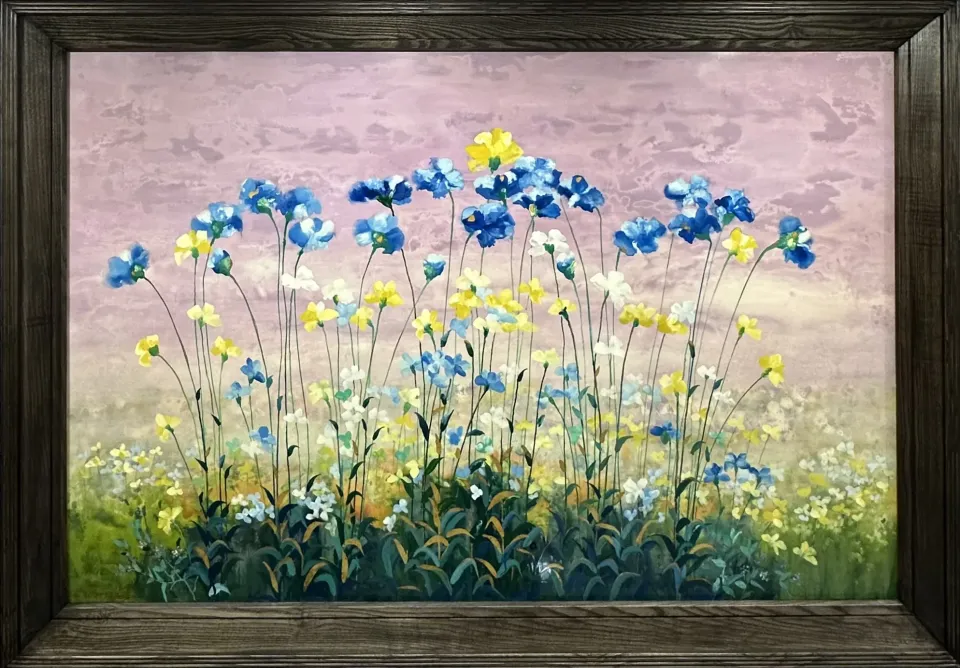
Today, contemporary painters use the medium to express a wider variety of personal and modern narratives. You can see this evolution by comparing different stylistic approaches in the current market:
- Rural Nostalgia: Artists like Dinh Viet create scenes such as Vietnamese village to evoke a sense of peace.
- Poetic Symbolism: Works like Fairy or Endless love move toward more abstract or whimsical expressions.
- Modern Landscapes: Contemporary pieces may focus on specific regional beauty, such as the mountain villages in Northern Vietnam.
When you view a modern piece, notice how the artist balances traditional techniques with new subjects. You might ask the gallery which specific cultural memories or personal stories inspired a particular work. This helps you understand if the painting leans toward historical preservation or contemporary innovation.
What should you look for when buying contemporary lacquer?
When you look at contemporary son mai, you are seeing the culmination of centuries of technical refinement. Evaluating these works requires an understanding of how modern artists balance traditional materials with personal expression. Because lacquer is a living medium that reacts to light and environment, its quality often depends on the depth of the layering process.
Evaluating Quality and Authenticity
To determine if a contemporary piece meets your standards, consider these specific elements during your selection process:
- Depth of Color: Look for luminous blacks and deep reds that appear to glow from within. This effect is achieved through many layers of resin applied to a wooden board.
- Material Integrity: High-quality works typically utilize natural resin tapped from the sơn tree rather than synthetic substitutes.
- Surface Texture: Observe how gold leaf and silver powders are integrated into the mountains or village scenes, such as in the work Vietnamese village by Dinh Viet.
You can compare two different styles to better understand your preferences:
- Traditionalist Approach: Focuses on serene rural landscapes and historical themes using a classic palette of gold, silver, and charcoal.
- Modernist Approach: May incorporate non-traditional subjects or abstract forms while still maintaining the demanding multi-layered lacquer technique.
When you are ready to acquire a piece, it is helpful to review How to recognise a genuine lacquer painting and its certificate.
Frequently asked questions
How long does it take to complete one lacquer painting?
The time required depends on the complexity and size of the specific work. Artists build many layers of resin, gold leaf, and silver powder onto a wooden board. Each layer must be dried and sanded before the next is applied, making this a slow process.
Is natural resin better than synthetic lacquer for home display?
Natural resin from the sơn tree can create a distinctive depth and luminosity that synthetic versions may lack. While both are used, traditional materials offer a specific texture and glow. You should ask the gallery about the specific materials used in a piece to understand its finish.
Can I hang these paintings in humid environments?
You should avoid placing lacquer works in areas with extreme humidity or direct sunlight. These conditions can affect the natural resin and the wooden board over time. For guidance on safe placement, you may want to ask the gallery for care advice on the specific piece.
What kind of certificates should come with an original work?
Ask the gallery which certificate or documentation accompanies an original work. Such a document can help you understand the work’s provenance. You can find more details in our Vietnamese lacquer painting guide for first-time buyers.