When you begin your journey into collecting Vietnamese art, understanding the nuances of the medium is essential. Learning how to recognise a genuine lacquer painting and its certificate helps you choose a piece of cultural heritage with more confidence. These works are handmade over many months using traditional techniques that create depth and luminosity.
Identifying the characteristics of genuine lacquer
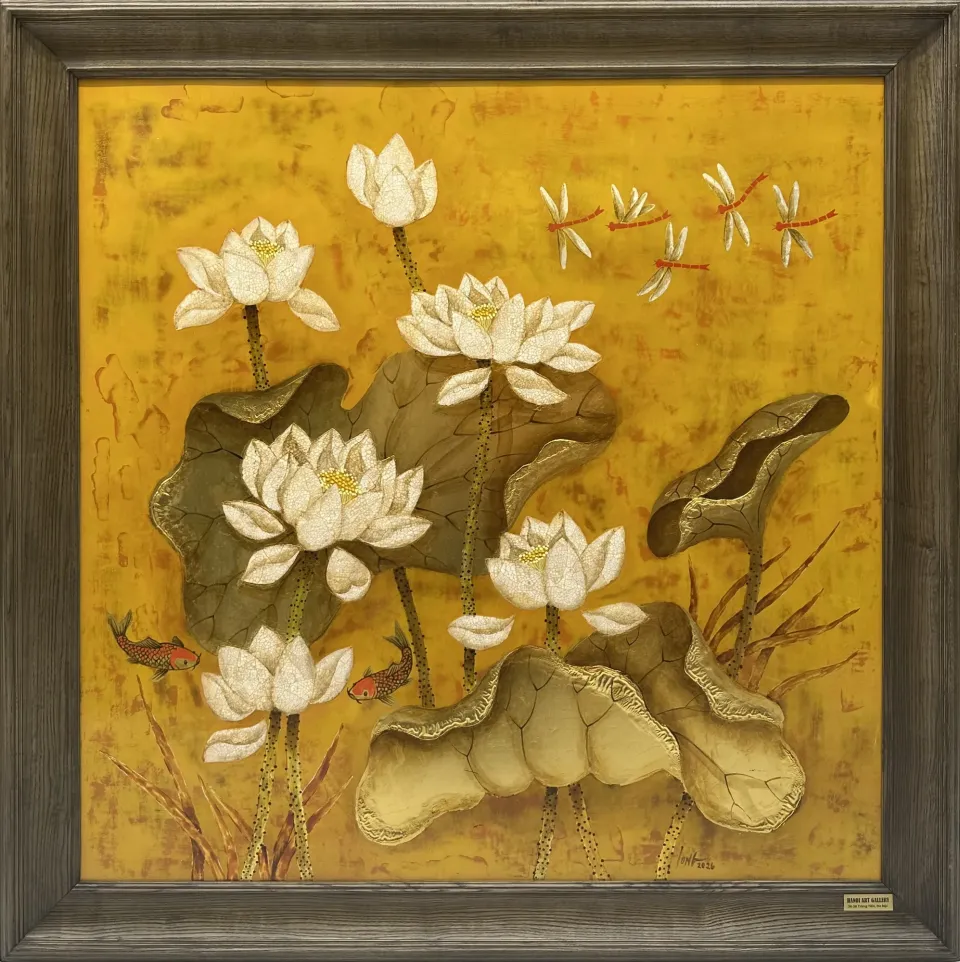
A true Vietnamese lacquer painting, often referred to as son mai, possesses a surface quality that is difficult to replicate with modern paints. When you look at an original piece, you may notice a sense of depth where the image seems to exist within the material rather than just on top of it. This effect comes from the specific way the layers are built.
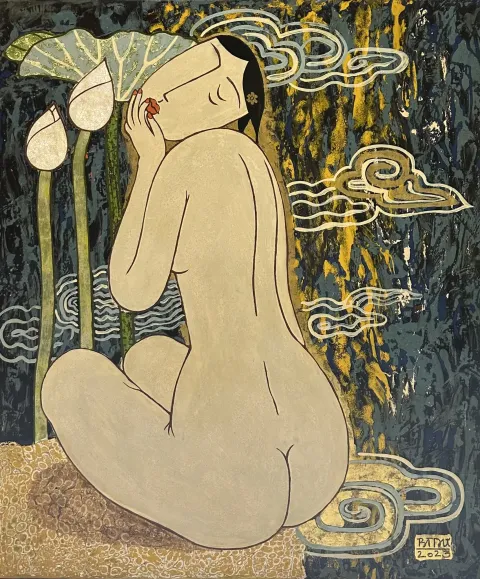
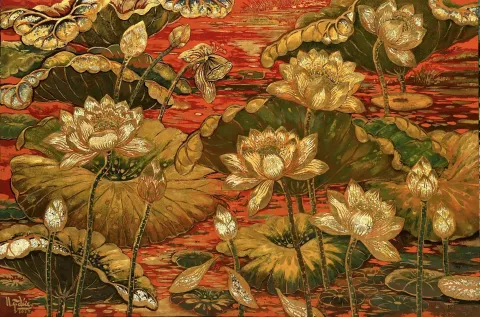
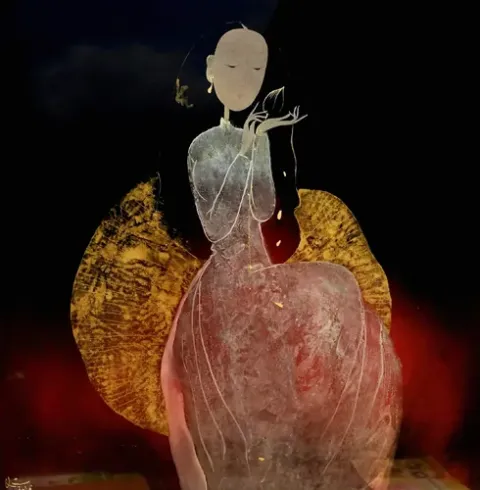
Genuine lacquer starts with natural resin harvested from trees. The artist applies multiple coats of this resin onto a wood base. Between these coats, they incorporate various materials such as gold leaf and eggshell. After each layer is applied, it must be ground back down. This repetitive process of layering and grinding is what creates the characteristic glow.
You can also look for specific details in the materials used:
- Gold leaf: Many pieces feature real gold leaf integrated into the lacquer.
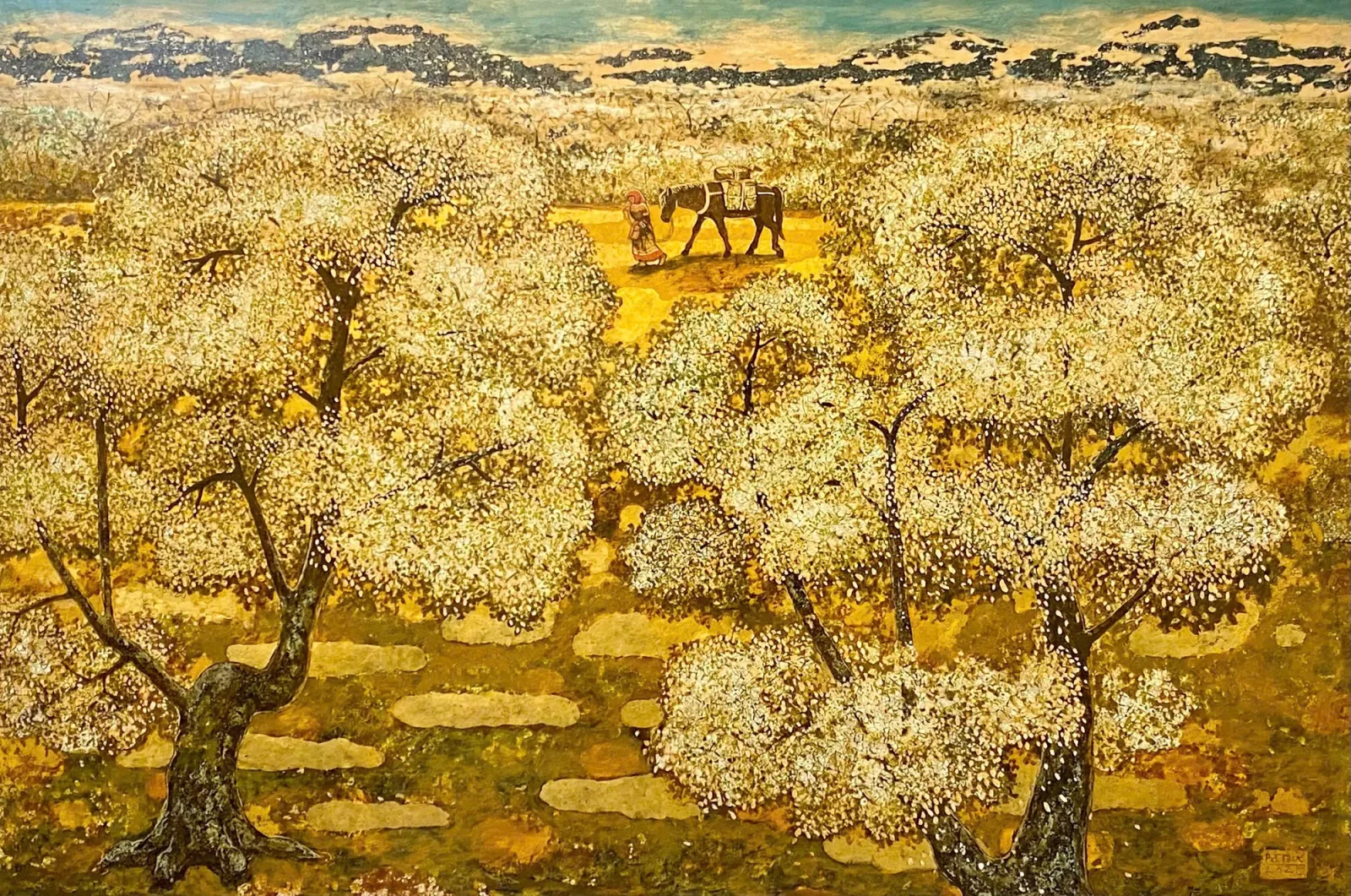
- Eggshell: Many traditional designs incorporate crushed eggshells to create texture and contrast.
- Polishing: The final stage involves a meticulous polishing process that reveals the image.
If you are unsure about the materials, it is helpful to read more about how a Vietnamese lacquer painting is made to understand these complex steps.
Verifying the certificate of authenticity
Every original work from a reputable source should come with a Certificate of Authenticity. This document serves as your primary proof that the artwork is an original creation by the artist. When you receive such a certificate, it should clearly state the details of the painting.
Check that the certificate includes the following information:
- The name of the artist who created the work.
- The title of the painting.
- The dimensions of the piece.
- The medium used, such as lacquer on wood.
It is important to ensure that the details on the certificate match the physical artwork exactly. For example, if you are looking at a piece like Go to pagoda by Nguyen Quang Duc, the dimensions and artist name on your paperwork must align with what is displayed on the painting.
What to check before purchasing
Before you commit to a purchase, there are several things you should do to protect your investment. First, observe the surface of the painting in different lighting. Because lacquer reacts to light, it may show different depths depending on where it is placed in a room.
You should also consider the following:
- Check for any signs of damage or cracks in the wood base.
- Verify that the artist’s signature (if present) matches known works by that artist.
- Ask about the specific materials used, such as whether it contains gold leaf.
If you find a piece that interests you but you have questions about its history or construction, you can explore the history and techniques of the medium to better inform your decision.
Care and maintenance for your collection
Once you have acquired a genuine piece, knowing how to care for it is vital. Because these paintings are built from many layers of natural resin, they require specific handling. You should avoid placing them in areas with extreme humidity or direct sunlight, as these can affect the finish over time.
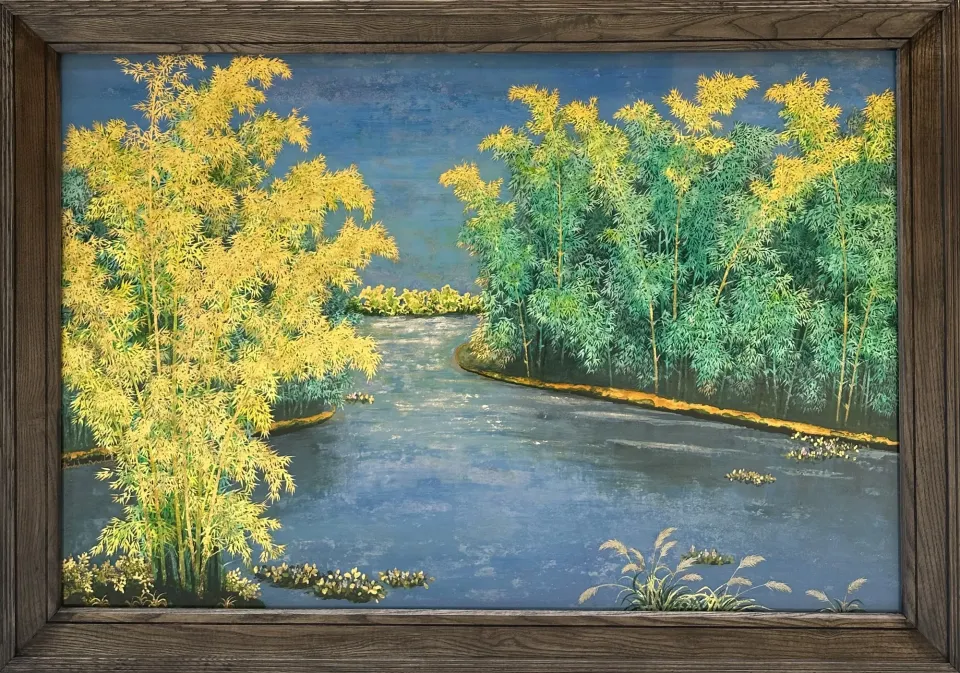
When hanging your art, ensure the hanging system is strong enough to support the weight of the wood and lacquer. You may want to consult a complete lacquer painting care and hanging guide for specific instructions on how to display your work safely.
Do not attempt to clean the surface with harsh chemicals or water. If you notice any changes in the surface or if something goes wrong with the frame, contact a specialist rather than trying to fix it yourself. For more information on general ownership, you can read our complete guide for first-time buyers.
Exploring different styles of lacquer
Recognising a genuine piece also involves understanding the diverse styles available in Vietnamese art. Some artists focus on figurative scenes, while others lean towards landscapes or abstract forms. For instance, you might find serene village life in works like Go to pagoda or more intimate portraits such as Mother and son 5.
Different artists bring unique perspectives to the medium:
- Nguyen Tuan Cuong creates evocative scenes like Mother and her son.
- Dinh Quan is known for capturing grace in his figurative works, such as those featuring the ao dai.
- Bang Sy Truc explores form and feeling through his unique lacquer style.
By studying a variety of works, such as Bird and a girl or Lady and vase, you will develop a better eye for the quality of craftsmanship in lacquer work.
Summary of verification steps
To help check a piece, you can follow these steps:
- Verify the certificate against the physical painting details.
- Inspect the depth and luminosity of the lacquer surface.
- Confirm the use of traditional materials like gold leaf or eggshell.
- Consult with a gallery to understand specific artist techniques.
If you are looking for more information on how these works differ from other mediums, you can compare lacquer vs oil on canvas to see how the two differ.
For those looking to choose a piece as a gift, you can find guidance on how to choose the perfect piece. Understanding these details will help you feel confident in your collection.