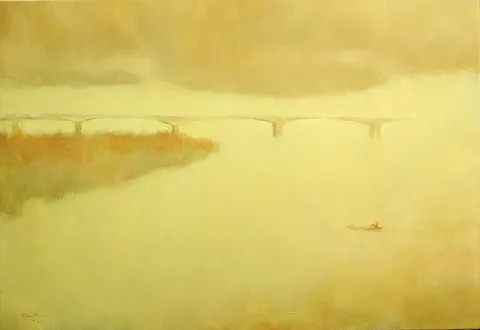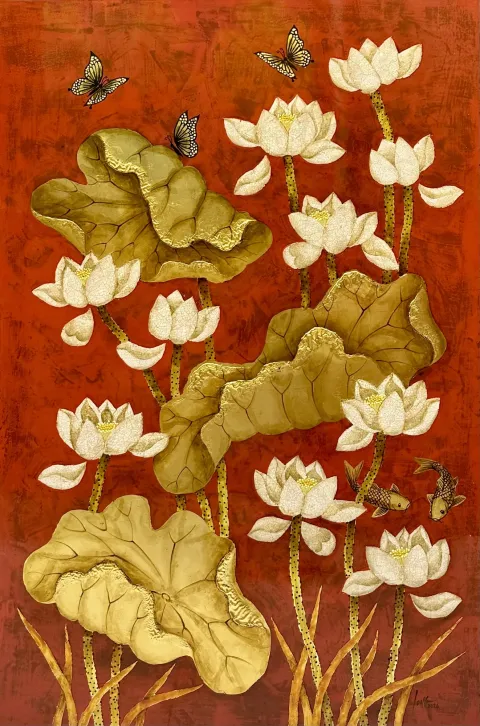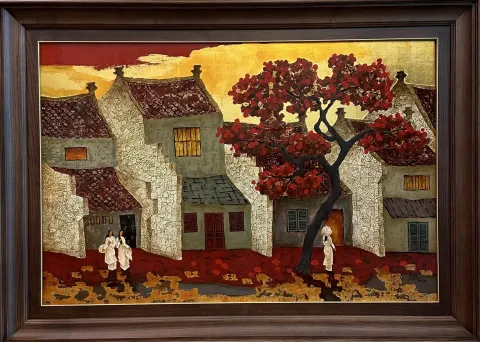

To learn how to find hidden galleries in Hanoi old quarter, you should look for small signs tucked into the narrow side streets. Many of these secluded spaces are located away from the main tourist paths and sit inside historic buildings or residential areas. You can identify them by following the “hem,” which are the thin alleys that branch off the larger roads.
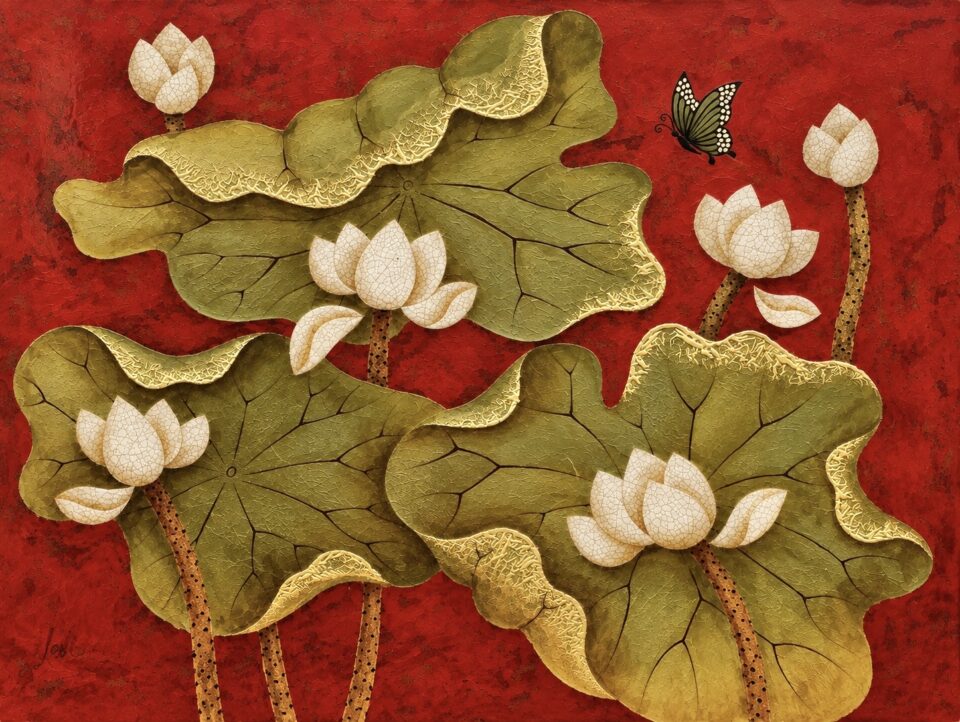
You can decide which art styles suit your interests, such as traditional lacquer paintings or modern oil works. This guide covers private studio etiquette and helps you compare different artistic mediums, including those found in contemporary urban scenes. You can also learn what questions to ask gallery owners about specific techniques used by local artists.
What defines a hidden art space in the historic district?
Identifying a hidden art space requires looking beyond the main thoroughfares of the historic district. While commercial showrooms often occupy prominent street corners, many smaller studios are tucked away in narrow alleys or residential-style buildings. These locations prioritize a quiet atmosphere for viewing detailed works like lacquer paintings, where light and texture are essential to the experience.
You can distinguish these spaces by observing their surroundings and signage. A hidden gallery might appear as a simple door with a small plaque rather than a large storefront window. To find these spots, consider these three signs:
- Look for narrow entrances located on side streets away from heavy motorbike traffic.
- Identify buildings that house multiple rooms, suggesting private viewing areas or workshops.
- Notice subtle signage featuring specific artist names rather than broad commercial branding.
For instance, a gallery showcasing Hanoi old quarter by Pham Chinh Trung might be located in a more secluded area to preserve the focus on craftsmanship. You can compare these types of spaces with larger venues like Visiting an art gallery in Hanoi to see how the environment changes your viewing experience. To appreciate specific techniques, you can explore the work of Pham Thang Long and his use of traditional methods. If you want to know if a specific small studio requires an appointment, ask the gallery staff about their visiting hours or the Time of day to visit art galleries.
Navigating the narrow alleys to locate secluded studios
These narrow pathways often hide private studios where artists work away from the main tourist flow. You can explore these spaces by following local residents into side streets that appear too small for vehicles.
When exploring these areas, you might notice specific signs of artistic activity, such as:
- Small placards or hand-painted signs near narrow entrances.
- The sound of tools or conversation coming from behind heavy wooden doors.
- Artworks displayed in windows that look like private homes rather than commercial shops.
For example, you might encounter a studio featuring lacquer paintings by artist Pham Thang Long, who captures the soul of the old city. You can also find oil on canvas works like Hanoi Old Quarter in Spring by Lam Duc Manh tucked away in quiet corners. To ensure a smooth visit, consider these steps:
- Walk slowly through the historic district to notice subtle changes in building usage.
- Look for signs of traditional lacquer techniques or oil painting supplies near doorways.
- Ask local residents if they know of any nearby workshops or art spaces.
Because many of these spots are small, you may want to ask the gallery about their visiting hours before entering a private studio. Some spaces might require an appointment or have specific times when the artist is available to speak with you.
Identifying traditional lacquer and contemporary works
When you explore hidden art spaces, you will encounter a variety of techniques that define the local creative scene. Understanding the difference between these mediums helps you appreciate the unique craftsmanship involved in each piece. For instance, some galleries focus on oil on canvas while others specialize in traditional lacquer painting.
You can distinguish these styles by observing the surface texture and depth of color:
- Oil on canvas: These works often feature visible brushstrokes and a matte or glossy finish that allows for soft transitions in light. For example, Hanoi Old Quarter in Spring by Lam Duc Manh uses this medium to capture seasonal atmosphere.
- Lacquer painting: This traditional method involves many layers of resin to create a deep, lustrous finish. Artists like Pham Thang Long use this technique to depict weathered walls and mossy rooftops with rich emotional depth.
To better understand the variety available in your visit, consider these steps:
- Compare the light reflection on a piece of lacquer against an oil painting to see how different materials react to indoor lighting.
- Look for specific details like the “flaming red trees” often found in traditional lacquer works versus the broader strokes of contemporary styles.
Because artists use different proportions and techniques, you should ask the gallery about the specific number of layers applied to a lacquer piece or the type of oil used in a canvas work.
Avoiding common mistakes when visiting private workshops
Many hidden art spaces in the historic district are located within residential buildings or small studios. These areas often serve as living and working environments for local creators, requiring a different approach than large commercial venues. You should observe the surroundings before entering to ensure you are not interrupting a private residence.
When you find a secluded space, follow these steps to maintain a respectful presence:
- Look for clear signage or an open door that indicates the studio is ready for visitors.
- Speak softly and ask permission before moving between different rooms or areas.
- Observe any signs regarding photography, as some artists prefer to keep their process private.
For example, if you are viewing a lacquer painting like Hanoi old quarter by Pham Chinh Trung, notice how the artist manages light and space in their workspace. Because these locations are often intimate, your behavior should prioritize the comfort of the resident. You might want to ask the gallery staff about specific house rules for each studio before you begin your walk.
To ensure a smooth experience, consider these questions for the gallery:
- Is there a specific time of day when the artist is most available to talk?
- Are there any restrictions on taking photos of the artworks or the studio interior?
How to engage with local artists and gallery owners
Interacting with gallery owners provides a deeper understanding of the cultural context behind each piece. When you visit a space, these professionals can explain how specific techniques reflect regional history or personal artistic journeys.
To make the most of your visit, consider these steps for gathering information:
- Observe a few pieces first to identify styles or mediums that interest you.
- Ask about the specific materials used, such as the layers required for traditional lacquer.
- Inquire about the artist’s process for capturing urban scenes like those found in the Old Quarter.
- Request details on how a work might suit different interior lighting conditions.
If you find a piece you admire, such as Hanoi old quarter by Pham Chinh Trung, it is helpful to ask about its specific dimensions and availability. You can also ask the gallery if they provide documentation for collectors who wish to bring original works into their homes.
To better prepare for your visit, you may want to check the location of various spaces beforehand. If you are coordinating a purchase from afar, it is wise to research How to verify gallery reputation for online transactions to ensure a smooth experience.
Frequently asked questions
Are most hidden galleries in the Old Quarter open to the public?
Many smaller spaces function as private studios or semi-private viewing rooms. While some welcome walk-in visitors, others may require a prior connection or specific opening hours. You should look for clear signage or ask a local guide if the space is currently hosting public viewings.
Is it okay to take photos inside small artisan workshops?
Etiquette varies depending on whether the workshop is a commercial gallery or a private residence. It is polite to ask the owner for permission before using a camera, especially when capturing delicate lacquer techniques. This shows respect for their workspace and personal privacy.
Do I need an appointment to visit private art spaces?
Access to certain secluded studios often depends on whether the artist is currently working or hosting guests. Contacting the artist or gallery in advance can help you arrange a suitable time.
What is the difference between a craft village and an urban gallery?
Craft villages focus on large-scale production of traditional items in rural areas. Urban galleries in the Old Quarter prioritize curated selections, contemporary styles, and individual artistic expressions. You can compare these by looking at the scale of the work presented.