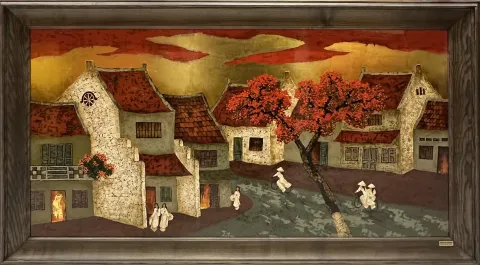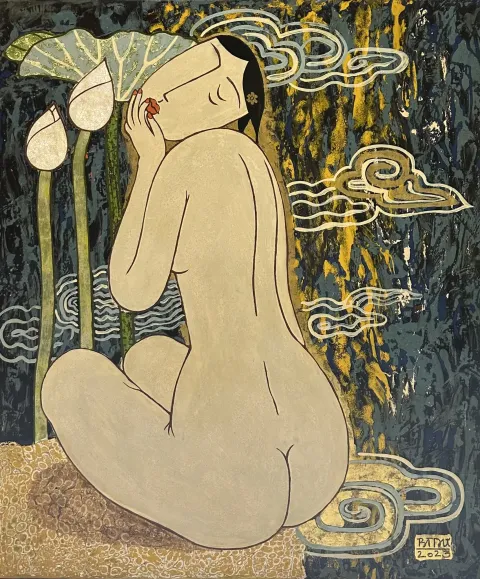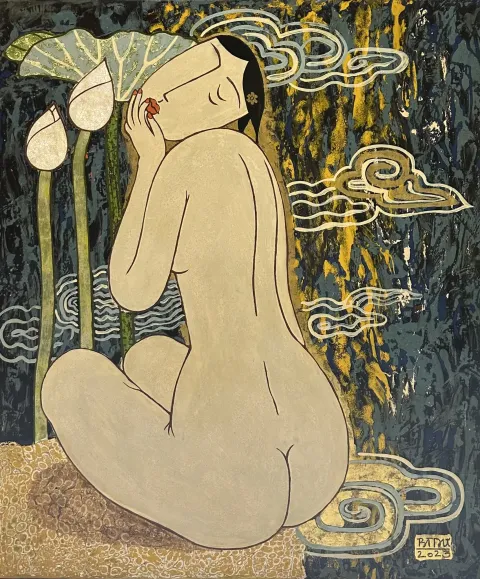

Visiting an art gallery in Hanoi: what to expect involves entering a space where cultural history meets contemporary expression. You can find these spaces nestled along historic streets, such as Tràng Tiền Street, which connects the Old Quarter and the French Quarter. These galleries often showcase works that reflect Vietnam’s artistic traditions.
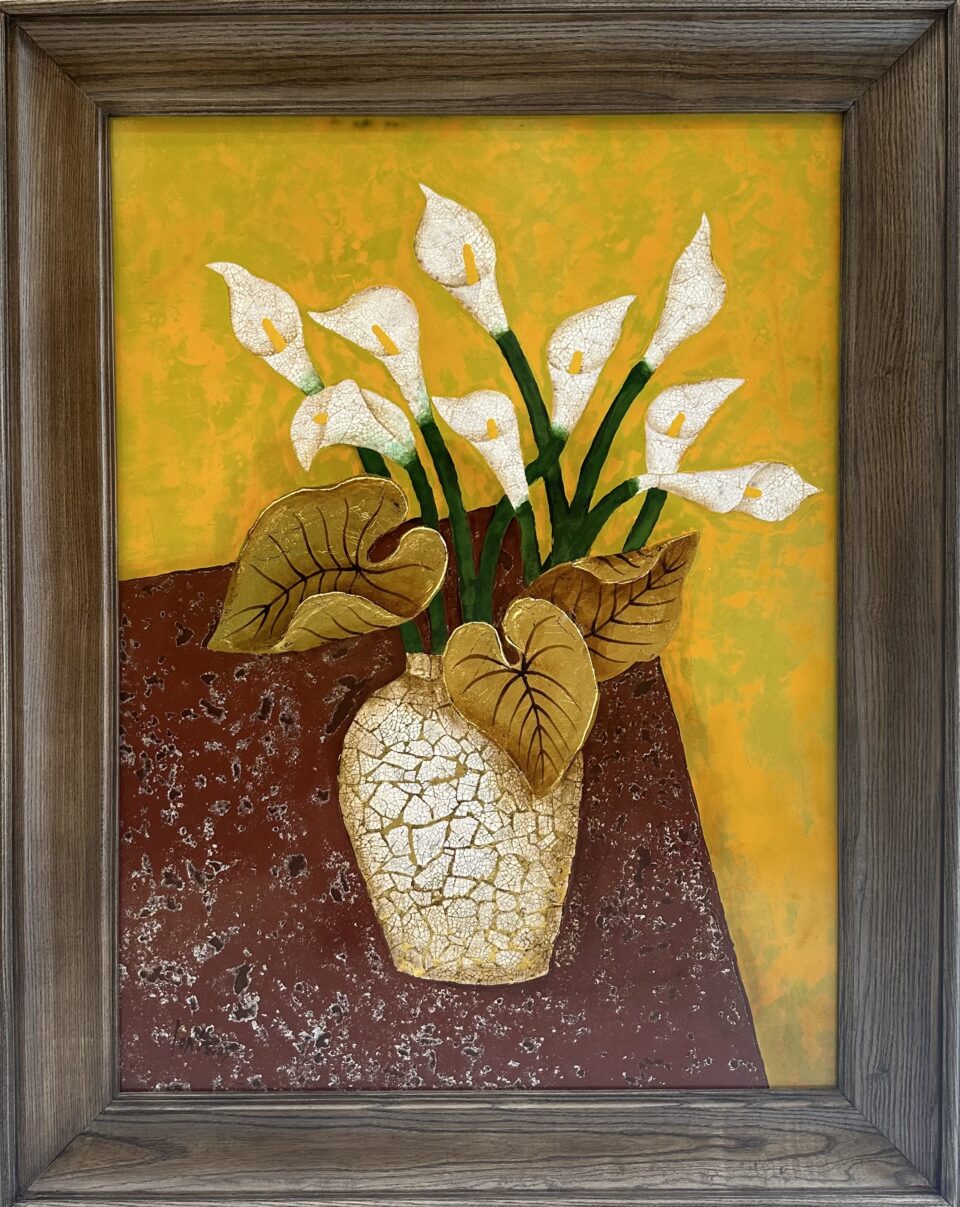
You will be able to see the differences between lacquer paintings and oil on canvas works while exploring various styles. This guide explains how to navigate gallery etiquette, understand local art mediums, and tell original artworks from mass-produced items. You can also learn which questions to ask before making a purchase.
What defines the local art scene in Hanoi
The art scene in Hanoi offers a unique blend of historical depth and contemporary expression. When you visit local galleries, you will often find that the atmosphere reflects the city’s layered history, where traditional techniques meet modern perspectives. Many spaces focus on preserving cultural heritage while allowing artists to explore individual styles.
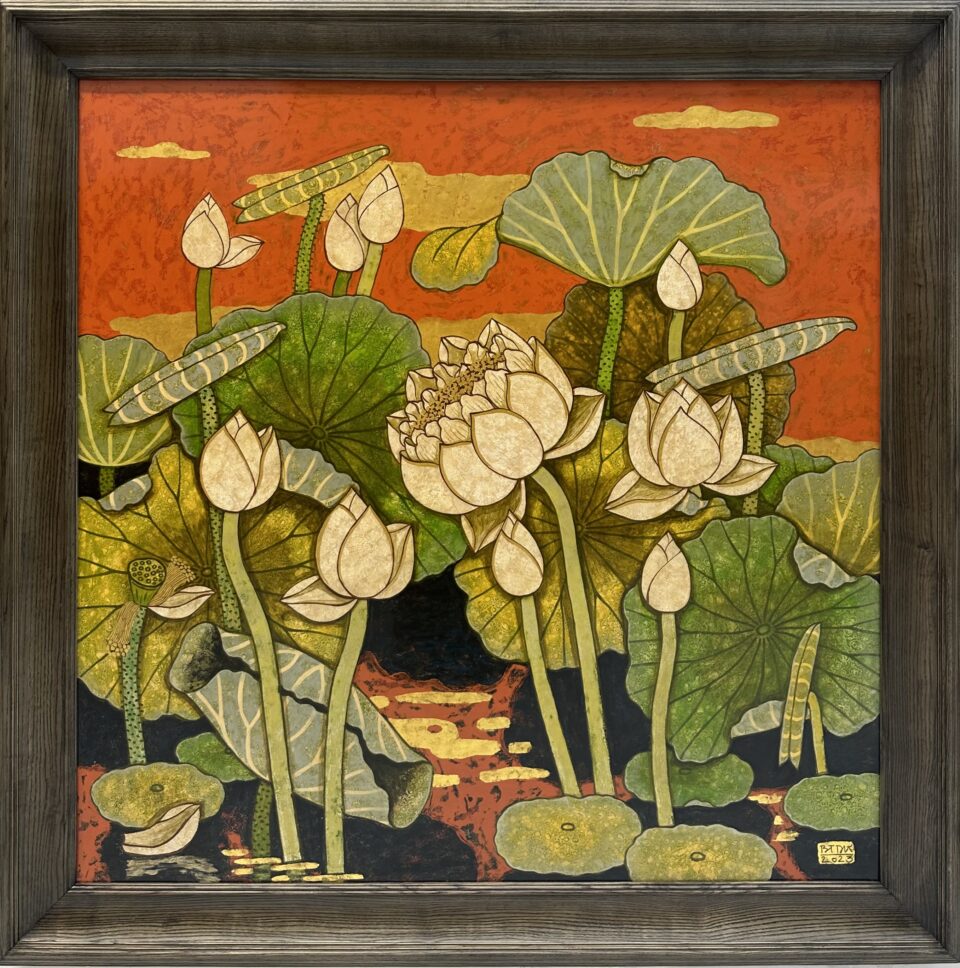
You can expect to encounter two primary mediums that define much of the regional fine art: lacquer painting and oil on canvas. Vietnamese lacquer, or son mai, is a technically demanding craft where colors like deep reds and luminous blacks create a glowing effect. In contrast, oil paintings often capture contemporary life, such as urban landscapes or rural scenes.
To help you navigate your first visit to an art space in the capital, consider these observations:
- Atmosphere: Many galleries are located in historic corridors, such as those near Hoan Kiem Lake, providing a quiet setting for viewing.
- Artistic Variety: You might see a mix of traditional motifs and modern abstract styles within the same collection.
- Craftsmanship: Pay attention to the texture of the surfaces, as many works involve multiple layers of meticulous application.
For example, you can observe how different artists interpret the city’s identity through various lenses. You might see Hanoi old street I by Pham Cuong, which uses oil on canvas to depict local life, compared to a lacquer piece that uses traditional materials to evoke a more symbolic mood.
If you are interested in specific details about the works you see, you can ask the gallery:
- What specific techniques were used to achieve the depth of color in this lacquer painting?
- Does this artist focus primarily on contemporary subjects or traditional themes?
- Can I see a Certificate of Authenticity for this specific piece?
Types of artworks found in the historic center
When you explore galleries in central Hanoi, you will encounter a sophisticated dialogue between traditional mediums and modern subjects. The region is renowned for son mai, which is Vietnamese lacquer painting. This technique creates works that appear to glow from within using deep reds, luminous blacks, and shifting golds.
You can observe how contemporary artists use these ancient methods to depict current life or historical memories. For example, look for pieces that capture the atmosphere of the city’s architectural heritage. You might find oil on canvas works that focus on local scenery or abstract expressions of cultural identity.
To help you navigate the various styles during your visit, consider these three categories of work:
- Lacquer Paintings: Look for son mai pieces like those by Pham Thang Long, which often highlight the beauty of the Old Quarter.
- Oil on Canvas: These works may offer different textures and a broader range of color palettes compared to lacquer.
- Thematic Landscapes: Many artists focus on specific locales, such as rural villages or urban street scenes.
Because every gallery curates its own unique selection, the variety of subjects will depend on the specific collection available at your chosen location. To better understand the artistic intent behind a piece, you may want to ask the gallery: “Does this specific series focus more on historical preservation or contemporary daily life?”
How to navigate gallery etiquette and photography
Visiting an art space in Vietnam requires a mindful approach to respect both the cultural heritage and the physical artworks. When you enter a gallery like those found near Hoan Kiem Lake, observing local customs helps maintain a peaceful environment for everyone. This behavior helps keep your experience focused on the pieces displayed.
Gallery Etiquette and Photography
Most galleries in Hanoi welcome visitors to explore quietly, but it is important to follow specific site rules regarding photography. Some spaces may restrict flash or tripod use to protect delicate surfaces like those found in lacquer paintings. You should look for signage at the entrance or ask a staff member before taking pictures of specific works.
To ensure a respectful visit, consider these guidelines:
- Maintain a soft speaking voice while moving through the exhibition rooms.
- Keep a safe distance from the walls to avoid touching the frames or surfaces.
- Ask for permission before photographing portraits or private collections.
- Check if certain works are restricted from being captured on camera.
For example, when viewing an oil on canvas such as Hanoi old street III by Pham Cuong, notice how the lighting is designed to highlight specific textures. If you want to capture a detailed shot of a complex scene, ask the gallery if there are any limitations on your camera use.
If you have questions about specific rules or need a deeper look at the collection, you can consult the Hanoi Art Gallery for Tourists page. You might also ask: “Are there any specific areas where photography is prohibited?” or “Can I take photos of the lacquer paintings without using a flash?”
Common mistakes when identifying original pieces
Distinguishing between high-quality original art and mass-produced souvenirs is a key step for any visitor. Many visitors mistake decorative items found in tourist markets for fine art, which requires different production methods and artistic intent. Original works from a specialist gallery involve significant craftsmanship and specific materials that define their unique character.
For example, when you view son mai, or Vietnamese lacquer painting, the depth of color comes from many layers of resin. These pieces often feature deep reds and luminous blacks that shift as you move around them. In contrast, mass-produced items may lack this complexity and won’t possess the same visual weight. To help you identify original fine art during your visit, consider these points:
- Check for an official Certificate of Authenticity signed by the artist and the gallery.
- Observe the texture of oil on canvas works, such as those by Pham Cuong.
- Look for signs of individual expression rather than repetitive patterns found in souvenirs.
If you find a piece that resonates with you, ask the gallery about the specific techniques used to create it. You might ask: “What materials were used to achieve this level of luminosity?” or “Can you explain the number of layers applied to this lacquer work?” These questions help you understand the artistic integrity behind each painting.
Questions to ask the gallery before purchasing
When you decide to acquire an original work from a gallery like Hanoi Art Gallery, seeking specific details helps you make a confident decision. Because every piece varies in its history and physical properties, you should ask the staff about the unique journey of each painting. Understanding these nuances can help your selection align with your personal preferences and home environment.
Key questions to ask gallery staff
- What is the specific provenance of this work by an artist like Pham Cuong?
- How many layers of resin are applied in a lacquer painting such as those by Dinh Quan?
- Does this oil on canvas require specific lighting or wall protection for long-term display?
- Can you provide the official Certificate of Authenticity signed by the artist?
You might also want to ask about the logistics of bringing a piece home. For example, if you find an oil painting like Hanoi old street I, inquire about the professional packaging methods used for international transit. Knowing how the gallery handles insurance and secure delivery helps you plan your collection growth with clarity.
Frequently asked questions
Is there a dress code for visiting art galleries in Hanoi?
While most local galleries do not enforce a strict formal dress code, wearing modest and comfortable clothing is recommended. This shows respect for the cultural setting and allows you to move easily between different exhibition spaces. You may choose to ask the gallery about specific requirements if attending a private viewing.
Can I take photos of the paintings inside the gallery?
Photography policies vary depending on the specific gallery and the individual artist’s preferences. Some spaces allow photos for personal use while others restrict them to protect the artworks from light or flash. You should ask the gallery staff about their current rules before taking out your camera.
Are guided tours available for international visitors?
Many galleries offer personalized walkthroughs to explain the history of Vietnamese lacquer and oil paintings. These sessions can help you understand the cultural layers behind specific motifs or techniques used by contemporary artists. To find out if a tour is available, contact the gallery directly to arrange a time.
Do most galleries sell small prints or souvenirs?
Galleries specializing in fine art often focus on original paintings rather than mass-produced items. While some may offer smaller works or artist-designed prints, this depends entirely on the specific gallery’s inventory and curation. You can ask the gallery if they have any smaller pieces suitable for your home.