Understanding the Vietnamese art market is not straightforward. It is a market that operates across multiple channels – galleries, auction houses, artist studios, private sales – with limited public price transparency and significant variation in quality and authenticity. For a collector approaching it for the first time, knowing where to look and what to expect is genuinely valuable.
This guide offers an honest overview of how the market works, what things cost, and where to find the best works with confidence.
How the Market is Structured
The Vietnamese contemporary art market operates primarily through three channels:
Specialist galleries: Galleries like Hanoi Art Gallery represent specific artists, maintain ongoing relationships with them, and guarantee the authenticity of every work they sell. Prices in a specialist gallery reflect the artist's market value, the quality of the specific work, and the gallery's knowledge and curatorial judgment. This is the safest and most transparent channel for buying fine art.
Auction houses: International auction houses – Christie's, Sotheby's, Bonhams and regional houses in Hong Kong and Singapore – occasionally include Vietnamese works in their Asian art sales. Auction results are publicly available and provide a useful benchmark for market values, though auction prices include buyer's premiums of 25-30% above the hammer price. Domestic Vietnamese auction activity is growing but remains limited.
Direct from artists: Some collectors buy directly from artist studios, which can offer lower prices but comes with risks around authenticity documentation, provenance, and the absence of the curatorial judgment that a specialist gallery provides.
Price Ranges
Vietnamese fine art spans an enormous price range – from a few hundred dollars for smaller works by emerging artists to several hundred thousand dollars for major works by the most established names. Here is a rough guide to what to expect at different levels:
Entry level (USD 500 – 2,000): Smaller oil paintings on canvas by accomplished but less established artists. Good for beginning collectors who want original work at an accessible price. Limited investment upside but genuine aesthetic value.
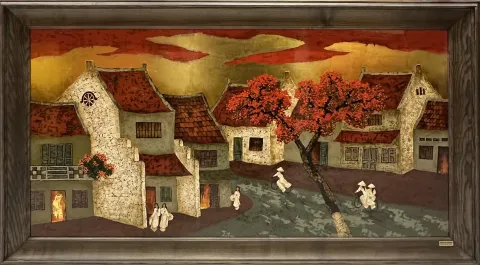
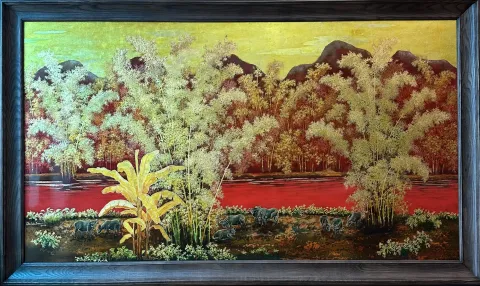
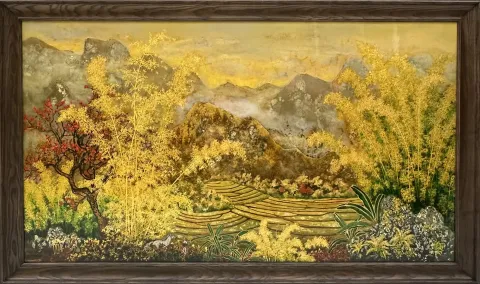
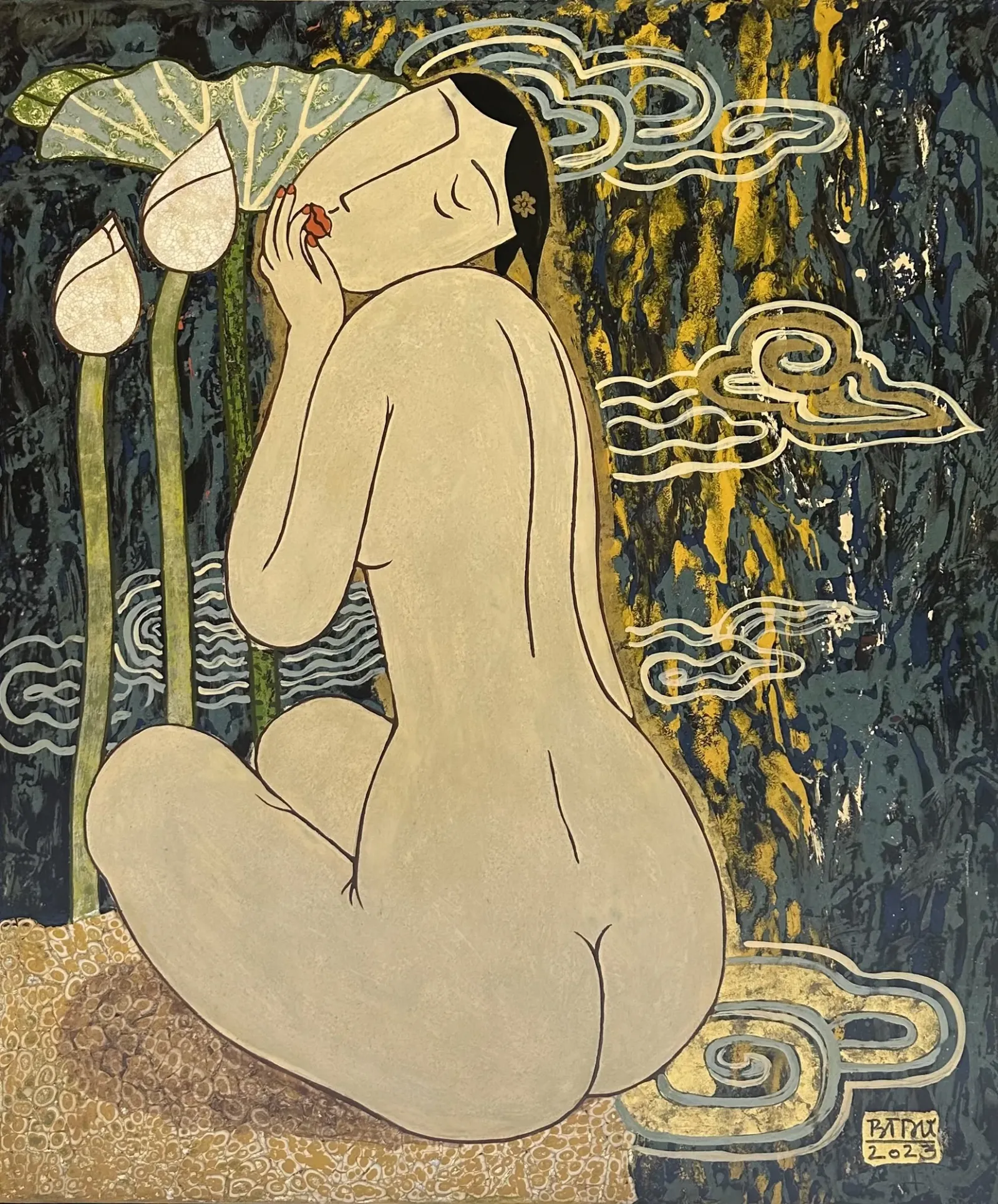
Mid-range (USD 2,000 – 15,000): The most active and interesting segment of the market. Medium-format lacquer paintings and significant oil paintings by established artists. Works by Nguyễn Văn Bằng and smaller pieces by Đinh Quân and Đinh Việt typically fall in this range. Strong aesthetic value and meaningful investment potential.
Significant works (USD 15,000 – 80,000): Major lacquer paintings by established artists with documented exhibition histories. Works by Đinh Việt, Phạm Thắng Long and Đinh Quân at their best. This is where serious collectors operate and where the investment case is strongest.
Museum quality (USD 80,000 and above): Major works by Thành Chương and the most significant pieces by other top-tier artists. These works compete at international auction and attract both Vietnamese and international institutional collectors.
Market Trends
Several trends are shaping the Vietnamese art market in the current period:
Rising domestic demand: Vietnam's growing middle and upper class has created a significant domestic collector base that did not exist twenty years ago. Vietnamese buyers now compete actively for the best contemporary works, supporting prices at all levels of the market.
International auction visibility: Vietnamese works have been appearing with increasing frequency and achieving higher prices at international auction houses. This international visibility feeds back into the domestic market, raising awareness and supporting valuations.
Generational transition: Several of the artists who defined Vietnamese fine art in the 1970s, 80s and 90s are now in their 70s and slowing their output. As the supply of new works from these artists decreases, existing works tend to appreciate. Collectors who acquired works by these artists a decade ago are sitting on significant unrealised gains.
Growing collector sophistication: Vietnamese collectors are increasingly knowledgeable and demanding. The market for low-quality or poorly documented work is shrinking; the market for genuinely excellent, well-documented work is growing. This rewards collectors who prioritise quality and documentation.
Where to Buy with Confidence
For a collector new to the Vietnamese market, the safest approach is to work through a specialist gallery with a clear identity, a documented roster of artists, and a transparent approach to pricing and authenticity.
At Hanoi Art Gallery, we have been operating in this market for years. We know our artists personally, we can provide full documentation for every work we sell, and we stand behind every work in our collection. We are not the cheapest place to buy Vietnamese art in Hanoi – but we are among the most reliable, and in a market where authenticity is genuinely uncertain, reliability has real value.
We welcome collectors at all levels – from someone buying their first painting to experienced collectors adding to significant existing holdings. Our approach is the same in either case: honest advice, full transparency, and a genuine commitment to matching the right work to the right collector.
Get in Touch
Whether you are researching the market, looking for a specific work, or ready to begin building a collection, we are happy to talk.
36-38 Trang Tien Street, Hanoi | hanoiart36@gmail.com | WhatsApp/Zalo: +84 984 589 999 | hanoi-artgallery.com