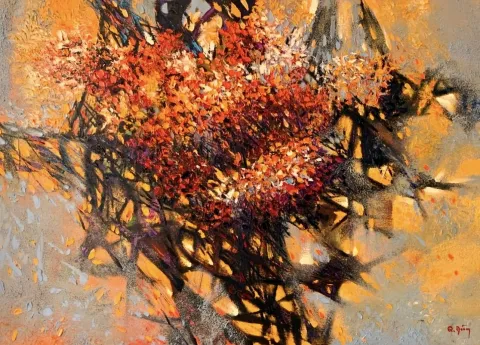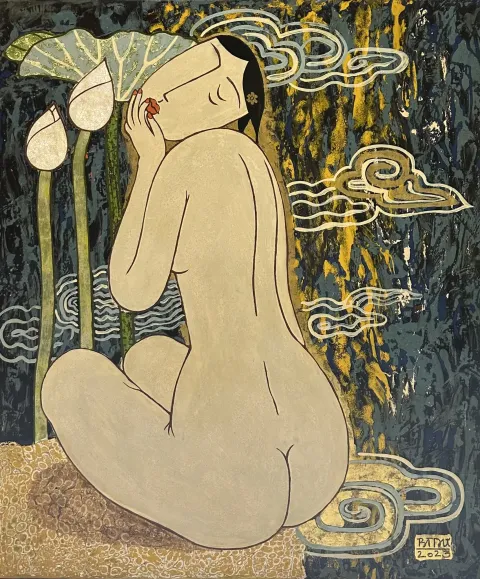
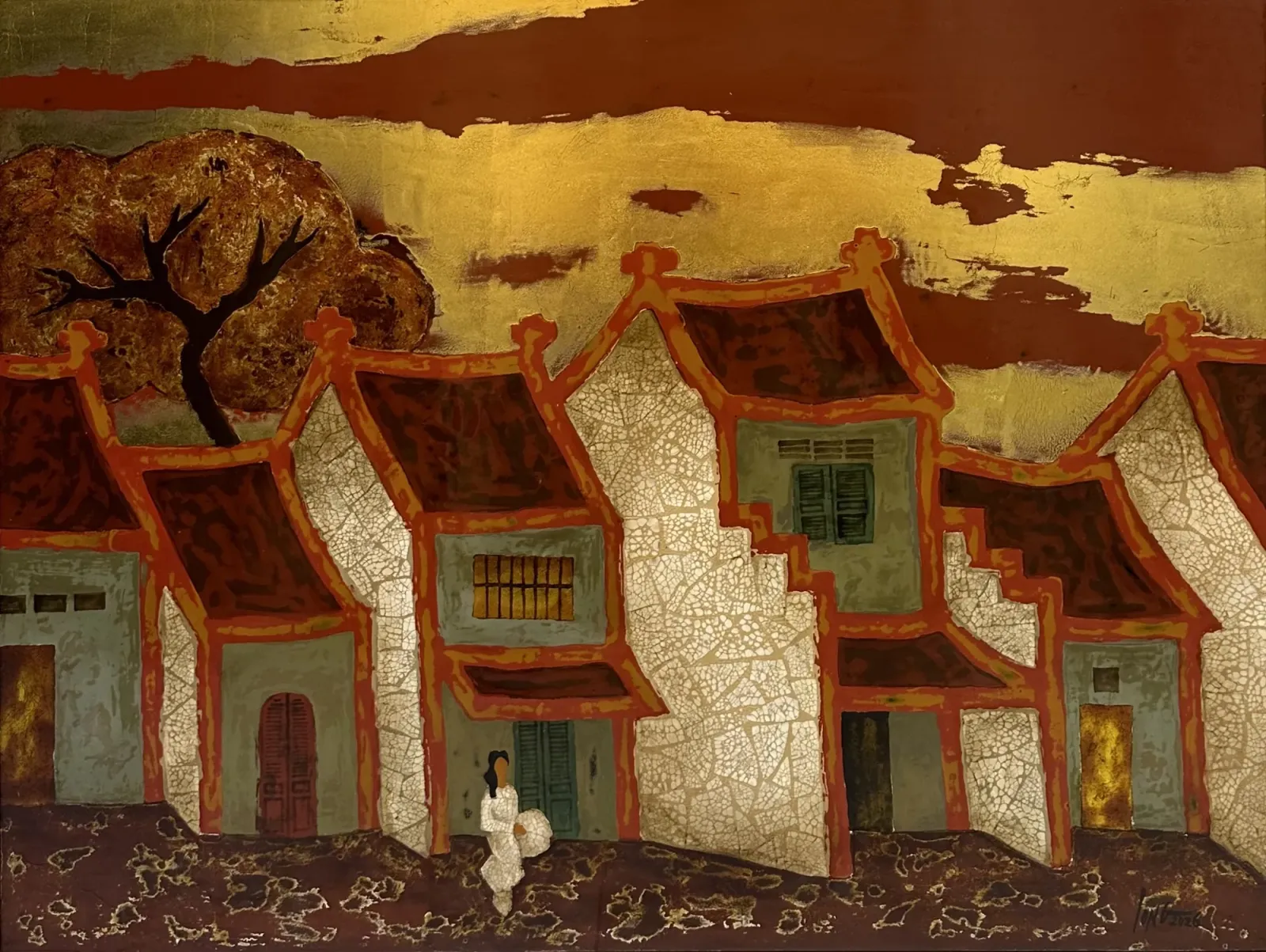
Understanding the difference between traditional lacquer and oil painting helps you appreciate how distinct materials shape a work of art. While both are popular in Vietnamese fine art, they use very different physical processes to create depth and light. Lacquer involves natural resins built up over many months, whereas oil relies on pigments mixed with oils on canvas.
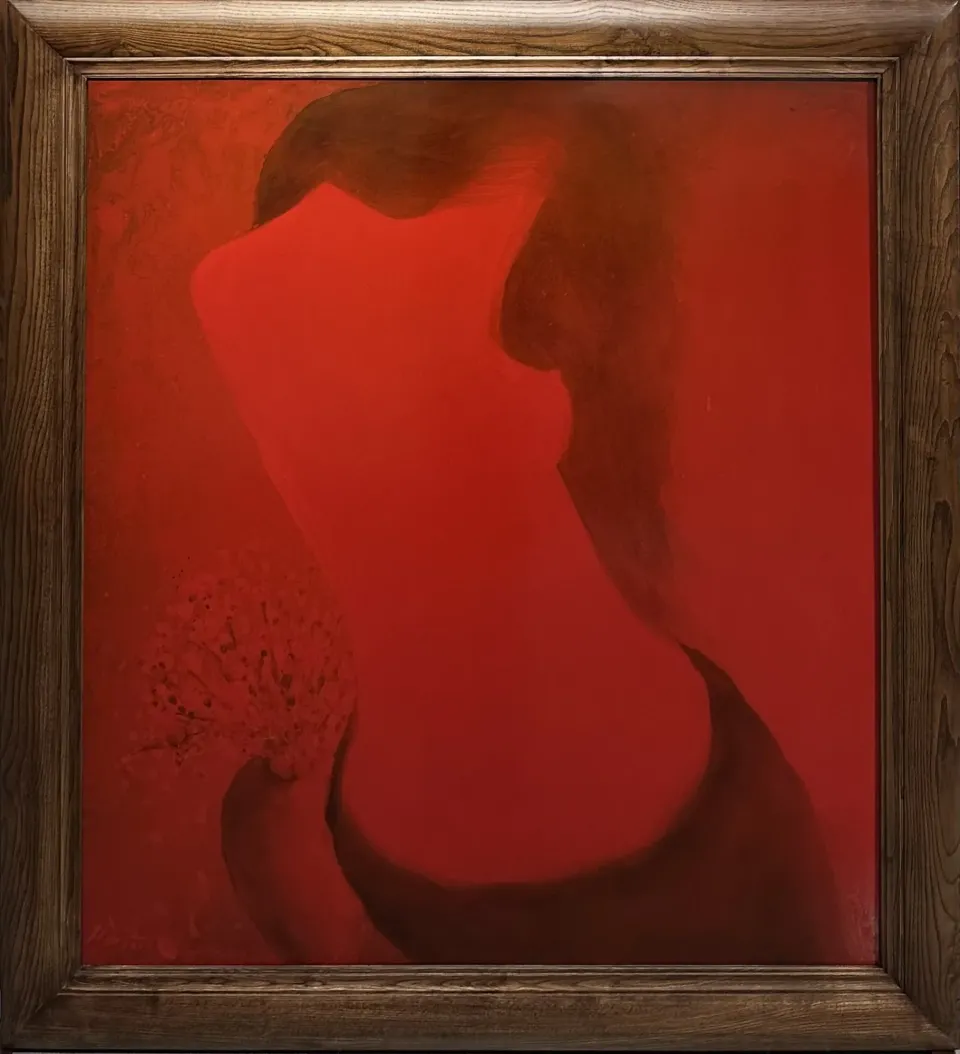
You can use these details to decide which medium suits your home decor or personal taste. You will learn to identify specific surface qualities and texture variations between the two styles. Ask the gallery about the materials used in a specific piece to understand its unique construction.
What defines these two distinct artistic mediums?
Choosing between traditional lacquer and oil painting involves understanding how different materials interact with light and time. While both mediums allow for rich expression, they rely on distinct chemical processes and physical applications to achieve their unique visual effects.
Key differences in material and technique
Oil paintings typically use pigments mixed with a drying oil applied onto canvas. This allows the artist to build layers of color that remain flexible as they dry over time. For example, you might observe the soft textures in Charming or the detailed landscapes in Autumn Street of Hanoi by Lam Manh.
Vietnamese lacquer painting, often called son mai, uses natural resin to create a surface that is difficult to replicate with modern paints. This medium requires many months of handmade work where layers are built and polished to achieve depth and luminosity. You can see this distinction by comparing two different styles:
- Oil on canvas: Focuses on fluid brushstrokes and the play of light across textured pigments.
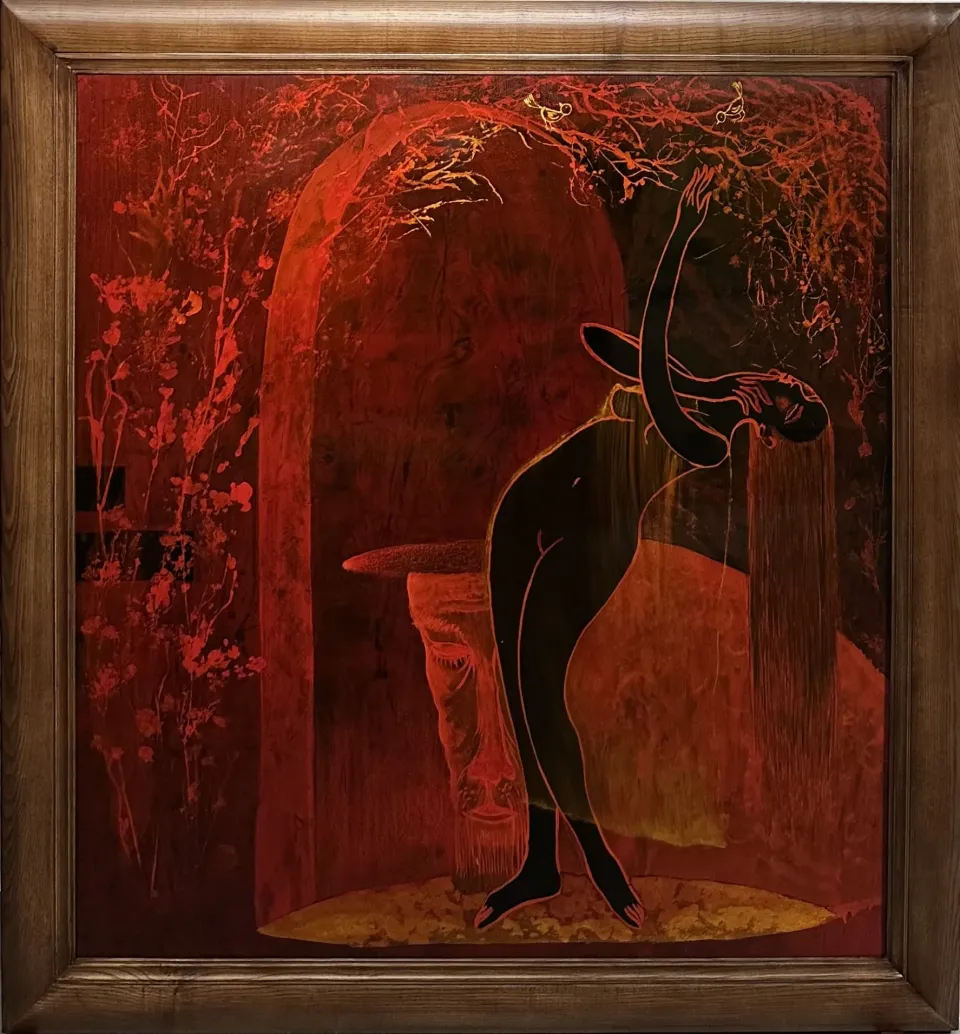
- Lacquer painting: Emphasizes a smooth, glass-like finish with deep colors that appear to glow from within.
Understanding these differences helps you determine which medium fits your interior goals. You may want to read more about Lacquer vs Oil on Canvas to see how these styles compare in a collection.
To help you decide which medium suits your space, consider these questions for the gallery:
- How does the natural resin in lacquer affect the way light reflects in a room?
- Does the specific oil painting technique used by Lam Manh favor matte or glossy finishes?
How do layering techniques and textures vary?
The physical construction of these two mediums creates very different visual experiences for your interior space. Oil paintings rely on the fluid application of pigments onto a canvas base to build form.
In contrast, traditional lacquer involves a meticulous process where many layers of natural resin are applied over months. You can learn more about this complex method in How a Vietnamese Lacquer Painting is Made.
To help you decide which visual texture suits your home, consider these two distinct approaches:
- Oil on Canvas: These works offer visible brushstrokes and a matte or glossy finish that feels soft. An example is Charming by Lam Manh, which uses oil to create expressive depth.
- Traditional Lacquer: These pieces feature a smooth, glass-like surface with internal luminosity. The texture comes from embedded materials like gold leaf or eggshell rather than thick paint.
When choosing between these options, think about how you want the art to interact with your room’s lighting. Oil paintings often provide a more traditional gallery feel, while lacquer offers a unique glow. If you are unsure which finish fits your wall, ask the gallery about the specific light reflection of an individual piece.
Comparing the drying process and material durability
When you build a collection, understanding how different mediums age is vital for long-term care. Traditional lacquer and oil painting require distinct environments because of their unique chemical properties.
Lacquer paintings are handmade over many months using traditional techniques to create depth. Because these works rely on natural resin layers, they react specifically to environmental factors like humidity. In contrast, oil paintings such as The boat and sea use oils that dry through oxidation.
Consider these points when planning your home display:
- Lacquer: Requires a stable climate to prevent the resin from reacting to moisture or extreme heat.
- Oil: Generally more flexible but can be sensitive to direct sunlight which may fade pigments over time.
To help you decide which medium suits your space, consider these maintenance steps:
- Identify areas with consistent temperature and low humidity for lacquer works.
- Place oil paintings away from windows or heat sources to protect the canvas.
- Ask the gallery about specific material requirements for a work like The fairy and butterfly.
Each medium has different longevity needs depending on its construction. You should ask the gallery what specific care is required for each piece in your selection.
Common mistakes when choosing between these styles
Choosing the right medium depends on how a work interacts with your specific interior environment. A common mistake is selecting a piece based only on its subject matter without considering its physical properties.
You might find that an oil painting like Charming provides a different visual weight than a lacquer piece. Because these mediums react differently to light and humidity, you should evaluate your space before making a final decision.
To ensure your selection aligns with your home or office, consider these steps:
- Identify the primary light source in your chosen room to see how different finishes reflect it.
- Measure the wall dimensions to ensure the scale of the work feels balanced.
- Think about the maintenance needs based on the materials used in each style.
For example, if you prefer a matte finish for a bedroom, an oil painting might suit your mood better than a high-gloss lacquer surface. Conversely, a lacquer piece may offer a depth of color that complements a formal hallway.
If you are unsure which style fits your decor, ask the gallery about the specific dimensions and light reflections of any available work.
Questions to ask the gallery before making your purchase
Before you acquire a new piece, it is helpful to understand the specific techniques used by an artist. Each medium involves unique physical properties that affect how the work appears in your home. You can gain clarity on these details by asking the gallery about the following points:
- What specific materials were used for this particular lacquer paintings or oil works?
- How many layers of resin or paint does this piece contain to achieve its depth?
- Can you describe the artist’s unique approach to applying texture in this medium?
- What are the specific light requirements for displaying this work safely?
Understanding these differences helps you appreciate the craftsmanship behind each selection. For instance, if you compare an oil on canvas work like Charming by a selected artist to a traditional lacquer piece, notice how the surface reflects light differently. Oil paintings often feature visible brushstrokes and varied textures of paint applied over a woven base. In contrast, lacquer works are handmade over many months using layers of natural resin to create a smooth, deep finish.
You might also consider looking at the diverse styles of an artist like Lam Manh. You can ask the gallery how his oil on canvas pieces, such as Autumn Street of Hanoi, differ from his lacquer works in terms of production time and visual weight. Because every piece is unique, always ask the gallery about the specific provenance and care requirements for your chosen artwork.
Frequently asked questions
How long does it take for a lacquer painting to fully cure?
The curing time for these works depends on the number of layers applied and the specific techniques used by the artist. Because they are handmade over many months using traditional methods, the process is slow. You should ask the gallery about the specific timeline for a particular piece.
Can I hang an oil painting in a high humidity room?
Oil paintings on canvas require stable environments to prevent damage from moisture or temperature shifts. High humidity can cause the wooden frame or canvas to warp over time. For advice on your specific space, you may want to ask the gallery about ideal display conditions.
What is the difference in surface shine between these two types?
Lacquer paintings possess a unique surface quality and depth that is difficult to replicate with other paints. They often offer a distinct luminosity compared to the matte or satin finishes found on oil canvases. The exact level of reflection depends on the specific work.
Do both mediums require different types of glass for framing?
The choice of glass depends on how light interacts with the surface and the weight of the artwork. Lacquer paintings often benefit from non-reflective surfaces to preserve their depth, while oil paintings may have different requirements. You should ask the gallery for specific framing recommendations.