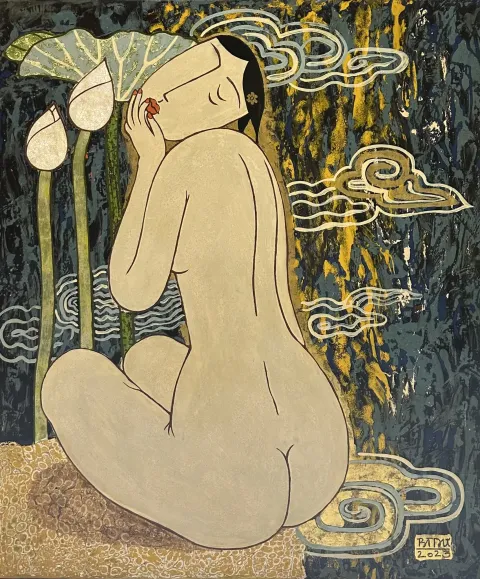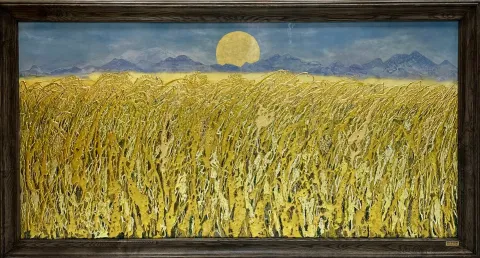
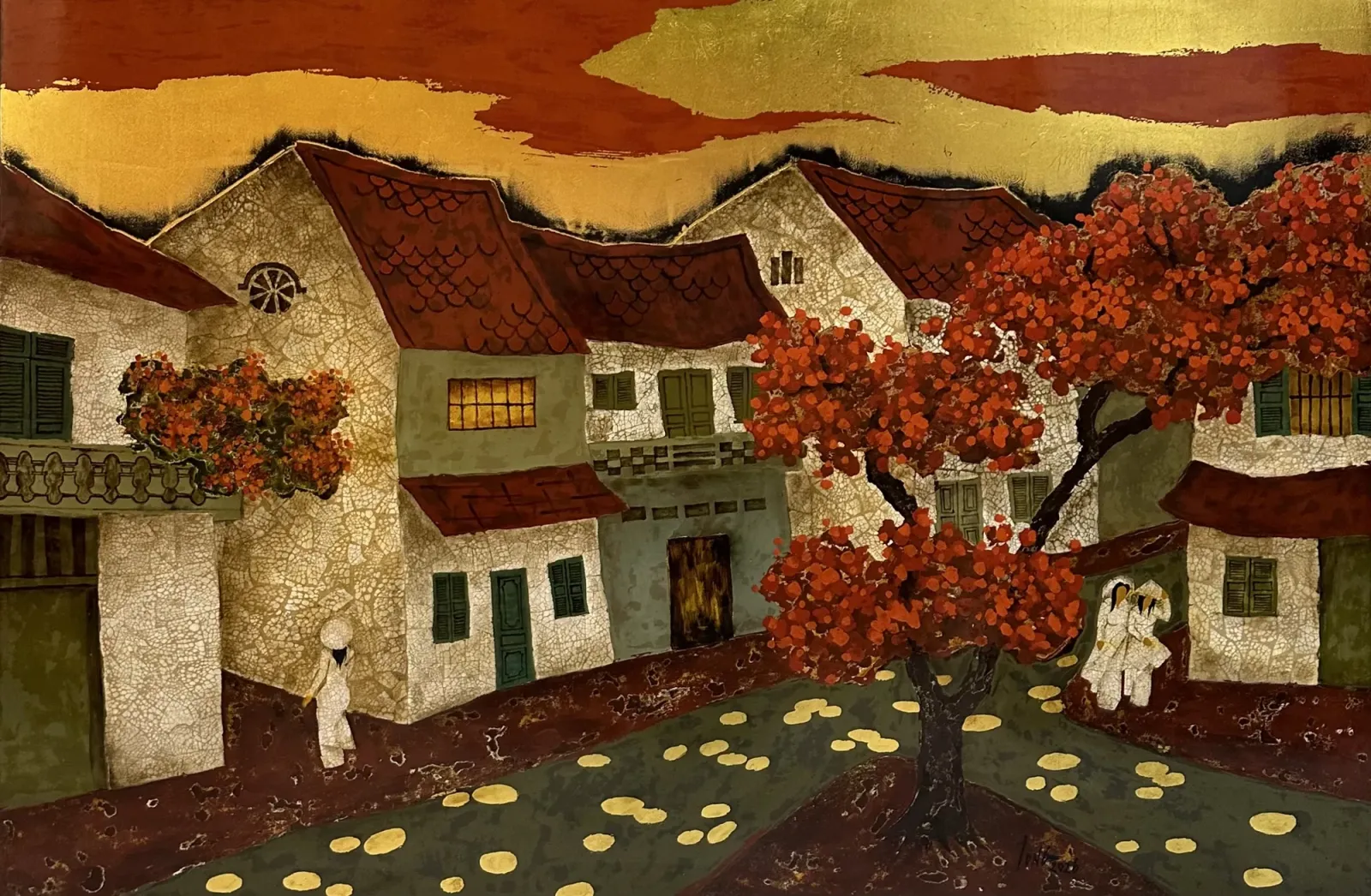
Layering techniques in Vietnamese lacquer paintings create the distinctive depth and luminous texture found in this traditional medium. Artists build these works by applying many layers of natural resin onto a wooden board over several months. This slow process allows for a rich accumulation of color and light that defines the unique character of sơn mài art.
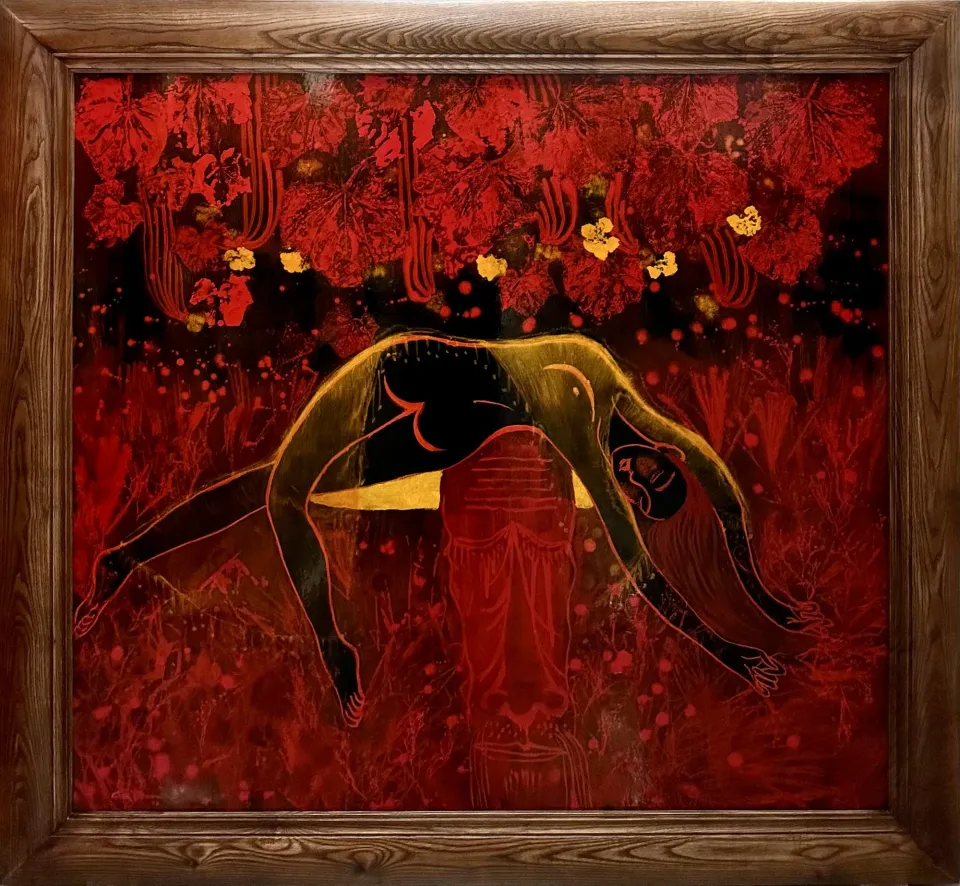
You can learn to identify the physical differences between lacquer and oil painting based on surface qualities. You will also find information on how repetitive sanding and polishing affect final reflections. These details help you decide which specific artistic style fits your home decor.
What defines traditional lacquer art in Vietnam?
Vietnamese lacquer art, known as sơn mài, is a distinctive contribution to modern fine art. This medium evolved from traditional methods used to decorate household objects into a sophisticated painting technique in the 1930s. You can appreciate its depth by understanding how artists build up images using natural resins tapped from the sơn tree.
Unlike oil paintings that rely on pigments mixed with oils, lacquer requires a meticulous process of building layers over many months. This slow progression allows for a unique interaction between light and surface texture. When you view a piece like Vietnamese village by Dinh Viet, you are seeing the result of numerous applications of resin onto a wooden board.
Key Characteristics of the Lacquer Process
To understand why these works possess such distinct visual depth, consider these technical elements:
- Layer Accumulation: Artists build up ten to twenty layers of resin to create a sturdy and rich base.
- Material Integration: Traditional techniques often incorporate natural materials like gold leaf or eggshells between coats.
- Surface Refinement: Each layer is carefully treated to ensure the final surface reflects light with a soft, deep glow.
You can see how these layers contribute to the atmosphere of rural scenes in Exploring Lacquer Paintings of Northern Highland Villages. Because every piece is handmade, the specific thickness and finish depend on the artist’s unique vision. You may wish to ask the gallery about the specific number of layers applied to a particular work to understand its physical complexity.
For those interested in learning more about this craft, you can explore Dinh Viet: Poetry and Silence in Vietnamese lacquer landscapes. If you are ready to add a piece to your collection, you can Buy Vietnamese Lacquer Paintings Online with secure delivery options.
How do layering techniques in Vietnamese lacquer paintings work?
The construction of a sơn mài painting is a meticulous process that relies on patience and repeated physical actions. Unlike oil paintings where pigments sit on a surface, lacquer involves building up many layers of natural resin over several months. This technique creates a distinctive depth that allows light to interact with the internal structure of the work.
To understand how these works are built, you can observe the following steps in the traditional process:
- The artist applies resin tapped from the sơn tree onto a wooden board as a base.
- Each individual layer must dry completely before the next coat is applied to the surface.
- Artists often build ten to twenty layers to achieve the desired richness and opacity.
- Between these coats, various materials like gold leaf or silver powder may be integrated into the resin.
Because each layer requires specific drying times and environmental conditions, the finished piece looks different than it does during production. You can see this evolution in works by Dinh Viet, where the surface achieves a smooth finish through repeated sanding and polishing. This constant refinement creates the unique texture that defines Vietnamese lacquer art.
When you view these pieces, the depth of color is a result of what lies beneath the top surface. To learn more about how these methods evolved from traditional crafts into fine art, you can read about the History and Techniques of Sơn Mài.
If you are interested in how these complex layers influence the final appearance, you might ask the gallery: “How many layers were applied to this specific work to achieve its current depth?”
Which materials create unique textures and reflections?
The visual depth of Vietnamese lacquer art relies on the interaction between natural resins and various decorative inlays. Artists use resin tapped from the sơn tree, which primarily grows in Phú Thọ, as the foundational material for each layer. This organic substance provides a base that allows colors to develop a unique luminosity over time.
To achieve specific textures and light reflections, painters incorporate different elements into the multi-layered process:
- Gold and Silver Leaf: These metallic foils are applied to create shimmering highlights or deep, reflective surfaces.
- Natural Pigments: Artists mix colors with the resin to build up rich tones that change as they dry.
- Inlays: Materials like eggshells or other organic components can be integrated to add physical dimension to the surface.
You can see these techniques in works such as Fairy by an unnamed artist, where the interplay of light on the resin creates a specific atmosphere. Because each piece is built with ten to twenty layers, the final reflection depends on how much material was applied at each stage.
How to distinguish high quality layering from surface paint?
Identifying high quality layering requires looking beyond the surface color to observe how light interacts with the resin. Because sơn mài is built on a wooden board using ten to twenty layers, the depth is physical rather than just visual. You can notice this when a painting seems to glow from within or reveals subtle shifts in tone as you move around it.
Visual Inspection Tips
To evaluate the craftsmanship of a lacquer piece, consider these specific visual cues:
- Observe how light reflects off the surface; high quality layering creates a soft, diffused glow rather than a flat shine.
- Look for smooth transitions between colors, which indicate careful sanding and polishing between each coat.
- Check for consistent depth in areas where gold leaf or silver powder is integrated into the resin layers.
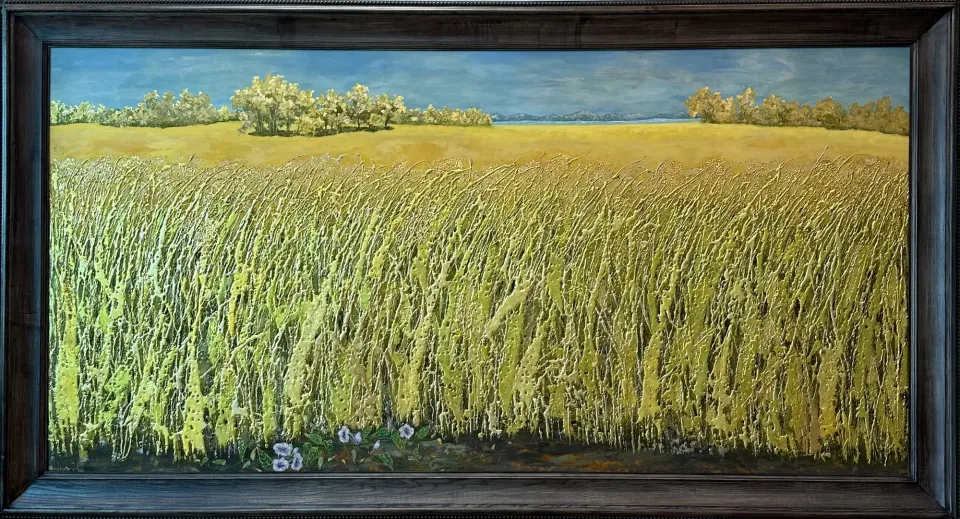
You can compare two different styles to see these differences clearly. For example, a piece by Dinh Viet might showcase rural scenes with specific spatial depth that differs from the textured oil painting style of Phạm Thanh Vân. While her work uses raised brushstrokes for dimension, lacquer relies on the accumulation of resin and repeated polishing to create its unique luster.
If you are unsure about the technical construction of a specific piece, it is helpful to ask the gallery: “How many layers were applied to this painting to achieve its current depth?”
What questions should you ask before buying a lacquer painting?
Acquiring a piece of lacquer paintings involves understanding the physical craftsmanship behind the resin layers. Because this medium relies on natural materials and long drying periods, specific technical details can help you appreciate the work better. You might want to know how much time was spent on a single piece or what specific resins were used.
When speaking with a gallery, you can ask these questions to gain a deeper understanding of the artwork:
- How many layers of resin were applied to this specific painting?
- What decorative inlays or natural materials are integrated into the surface?
- Can you describe the transition from the initial raw resin to the final polished state?
- How does the artist achieve different color depths within the same composition?
Asking about these details helps you recognize the labor involved in traditional methods. For example, if you are looking at a work by Dinh Viet, you can inquire how many coats were required to achieve the atmosphere of the rural scenes. These questions provide clarity on whether a piece reflects a standard process or a more complex, multi-layered approach tailored by the artist.
Frequently asked questions
How many layers are typically applied to a finished painting?
The number of layers depends on the specific work and the artist’s vision for depth. On a wooden board, artists often build between ten to twenty layers of resin. You should ask the gallery about the specific construction of a piece you like.
Why does the color change so much during the drying process?
Lacquer is a living material that reacts to environmental conditions as it cures over many months. Each new coat of resin interacts with the previous layers, shifting the hue and transparency. This evolution creates the unique depth found in traditional sơn mài.
Can I see the intermediate stages of the layering process?
Because lacquer requires a controlled environment for drying, viewing every stage can be difficult. The progression involves repeated sanding and polishing to reveal colors hidden beneath the surface. You may ask the gallery if they have any process photos or videos.
How do different lighting conditions affect the lacquer surface?
The layered resin creates a complex surface that reflects light in various ways depending on the angle. This interaction gives the painting a sense of movement and internal glow. The way a piece looks will vary based on your home’s specific lighting.