Understanding what decides the price of Vietnamese paintings is an important step for anyone looking to start an art collection. When you look at a piece of contemporary art from Vietnam, its value is shaped by several factors beyond just the physical size of the canvas. From the history of the artist to the specific techniques used in traditional crafts like lacquer painting, various elements combine to determine a work’s position in the art market.
The Artist’s Reputation and Career History
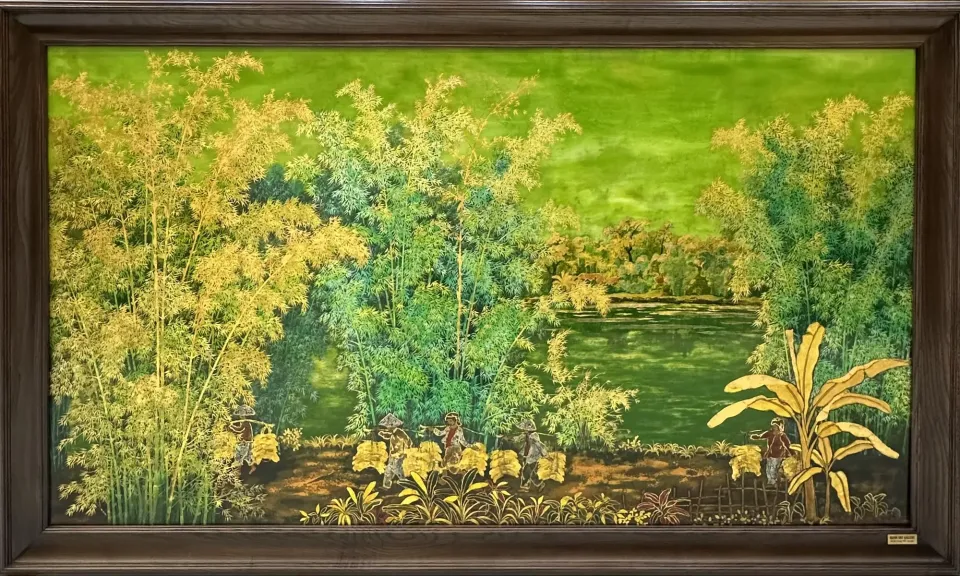
A significant factor in determining value is the artist’s standing within the art world. For instance, names that carry weight over many decades influence the market significantly. Artists who have spent years refining their craft and building a body of work often see their pieces valued more highly. Consider an artist like Thanh Chuong, who has been a prominent figure in Vietnamese lacquer painting for over four decades. His work bridges ancient craft traditions with international contemporary sensibilities, and his influence on younger artists contributes to the prestige of his name.
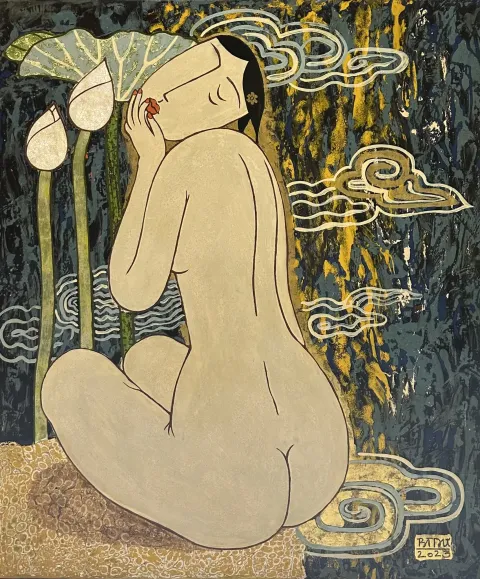
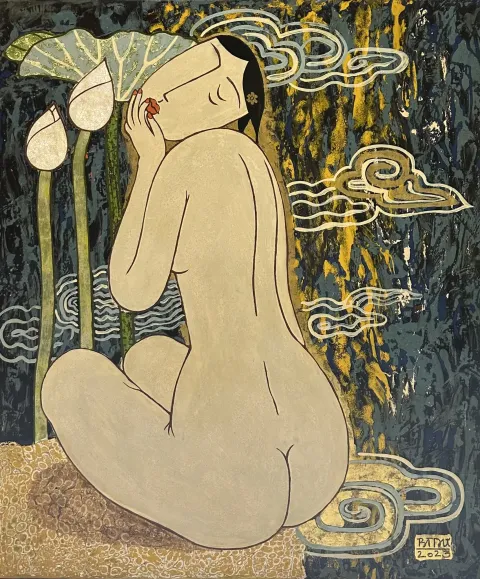
When you explore different styles, such as the poetic minimalism found in Phạm Thanh Vân’s art, the artist’s unique voice becomes a key identifier. Collectors often look for artists who have established a consistent style, whether it is capturing rural landscapes or distilling urban memories into abstract compositions.
Artistic Technique and Materiality
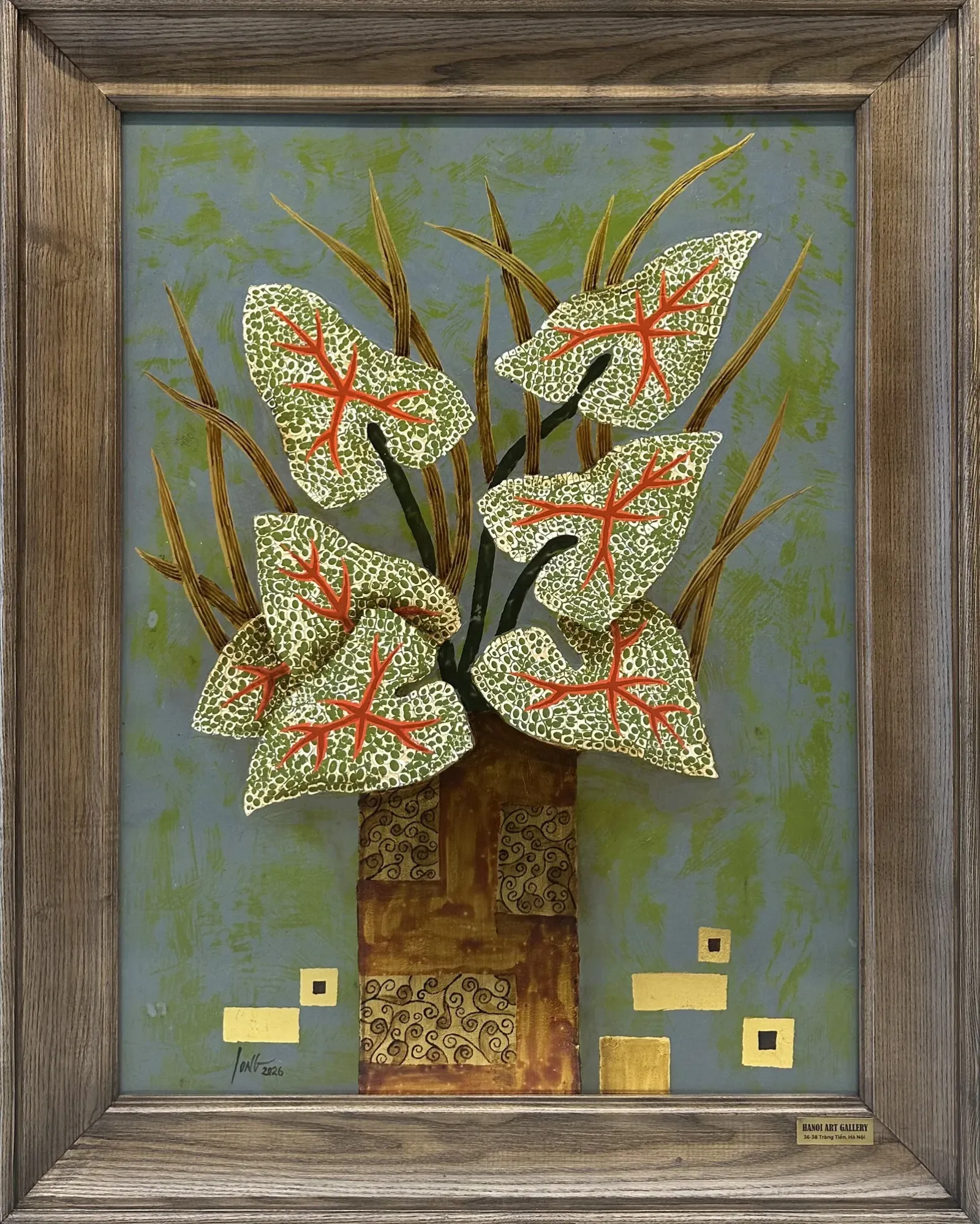
The medium used to create a painting plays a major role in its valuation. In Vietnam, the distinction between oil on canvas and traditional lacquer painting (Sơn Mài) is notable. Lacquer painting is a labor-intensive process that involves multiple layers of resin and meticulous polishing. Because of this complexity, pieces from masters like Thanh Chuong or the quiet, poetic works of Dinh Viet are often highly regarded for their technical difficulty.
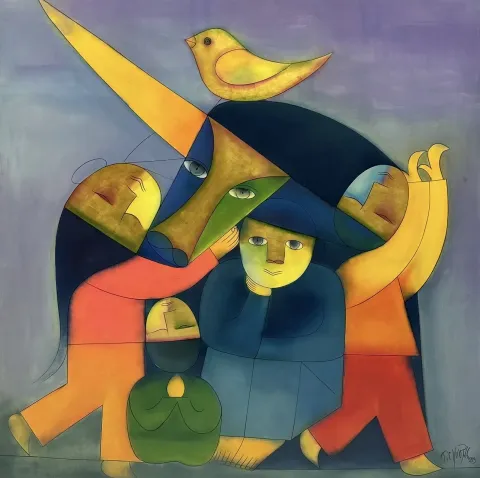
Oil paintings also vary in value based on the application of paint. Some artists use raised brushstrokes to add dimension and tactile charm, while others focus on capturing light and color. For example, Trần Quang Dũng uses a unique visual language to blend emotion with bold expression in his street scenes. The level of detail, the vibrancy of the palette, and the emotional resonance achieved through these techniques are all factors that contribute to how these works are valued.
Provenance and Authenticity
For any serious collector, knowing the history of a piece is essential. Provenance refers to the record of ownership and origin of an artwork. A clear history provides confidence in the work’s journey from the artist’s studio to its current location. When you purchase from a gallery, you should ensure that every work comes with a Certificate of Authenticity signed by both the artist and the gallery. This documentation is vital for maintaining the integrity of your collection.
If you are unsure about a specific piece, it is a good idea to ask the gallery for more details. You can request additional photographs or even a short video call to see the surface texture, which is especially important for lacquer works where the finish is a defining characteristic. Knowing that a piece is an original work by a recognized artist provides a foundation for its market value.
Market Demand and Subject Matter
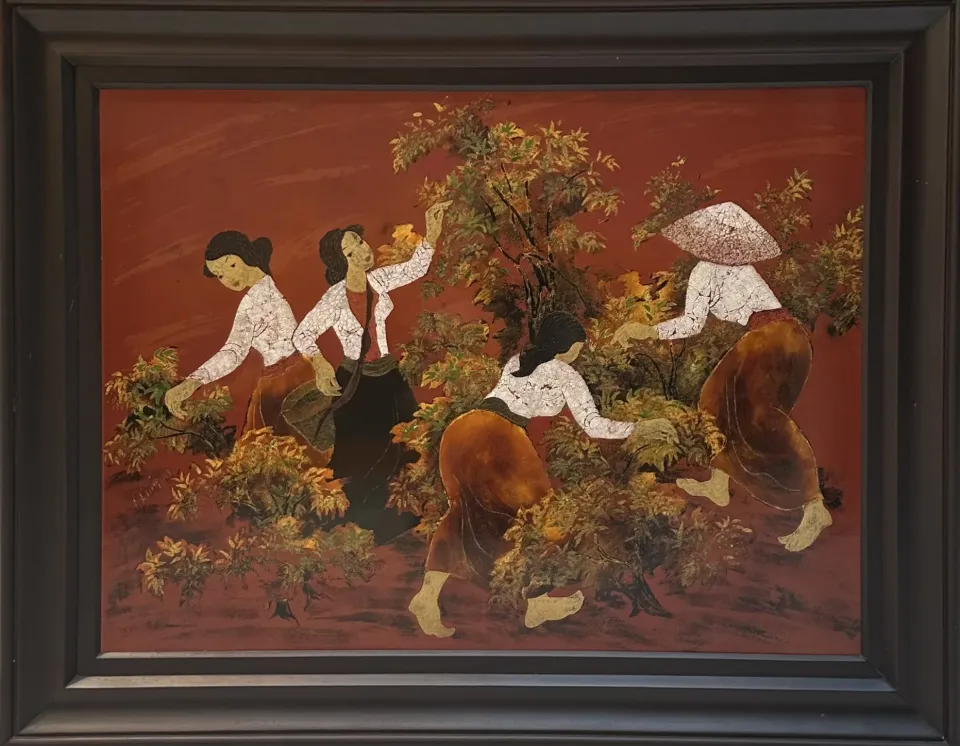
What people want to see also influences how much they are willing to pay. Some themes resonate more deeply with international audiences than others. For instance, there is a notable interest in contemporary lacquer art that depicts Northern highland villages or the nostalgic atmosphere of Hanoi’s old quarter. Artists like Phạm Thắng Long capture these specific cultural memories, which can drive demand among collectors seeking a connection to Vietnamese heritage.
Similarly, the move toward modern spaces has increased interest in minimalist works. Pieces that offer a sense of calm and balance, such as those by Phạm Thanh Vân, appeal to those looking for elegant art for luxury interiors. The specific aesthetic—whether it is the “Streets and Light” series or a serene mountain village scene—determines how well a painting fits into different types of collections.
How to Navigate the Market
If you are just beginning your journey, there are practical steps you can take to understand value without feeling overwhelmed. You should start by researching specific artists whose styles you enjoy. Look for works that have been exhibited or held in private collections across different regions, such as Europe, Asia, and the United States.
- Check if the painting is an original work by a Vietnamese artist.
- Verify that it includes a signed Certificate of Authenticity.
- Look at the complexity of the medium, such as the layers in lacquer art.
- Consider how the piece fits into your personal space or collection goals.
If you encounter a painting without a visible price tag on a gallery website, do not hesitate to reach out for information. You can request full details and pricing directly from the gallery to get an accurate understanding of that specific work. This direct communication helps ensure you have all the facts before making a decision.
Summary of Value Factors
In summary, the value of a Vietnamese painting is a combination of many variables. The artist’s career and reputation provide a framework for value. The technical skill required to produce works in lacquer or oil adds to the significance of the piece. Finally, the unique subject matter and the provenance of the work help make each painting meaningful as a piece of culture and history.
Whether you are interested in Vietnamese oil paintings on canvas or traditional Vietnamese lacquer paintings, taking the time to understand these factors will help you navigate the art world with confidence. You can explore various works at the Hanoi Art Gallery to see these elements in person and decide which pieces speak to you.