This Vietnamese oil paintings guide helps you understand the history and selection process for acquiring original works from Vietnam. You can learn how the medium arrived in the country through the École Supérieure des Beaux-Arts de l’Indochine and identify key figures who mastered these techniques.
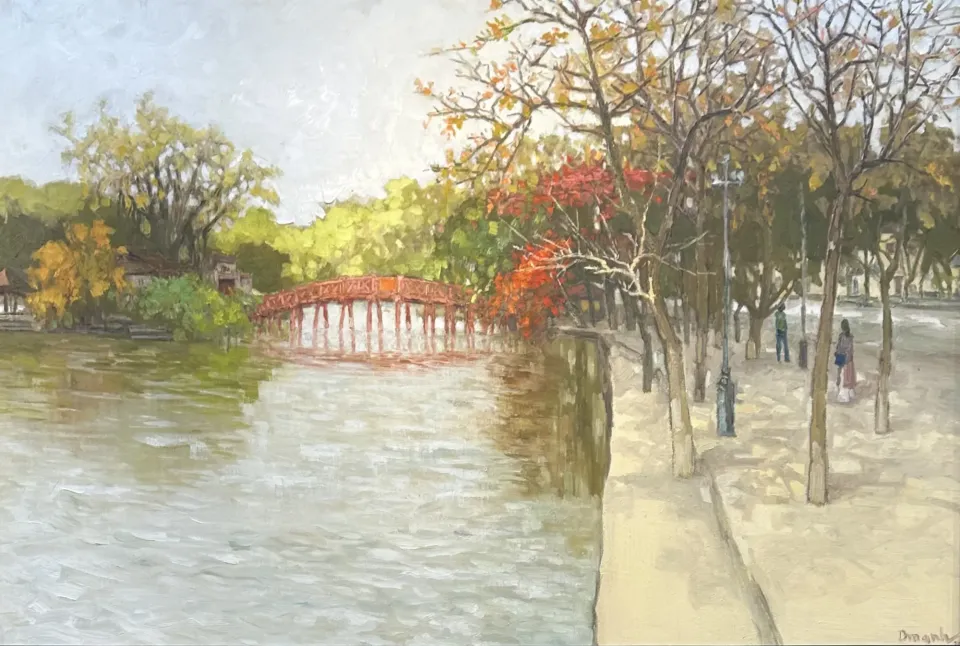
You will be able to check specific details regarding authenticity, such as obtaining a Certificate of Authenticity signed by the artist. We also provide steps for choosing sizes like 40x60cm or 50x70cm for gifts and explain how to request more photographs before you buy.
What defines traditional and contemporary styles?
Vietnamese art history shows a gradual shift from classical techniques to modern expressions.
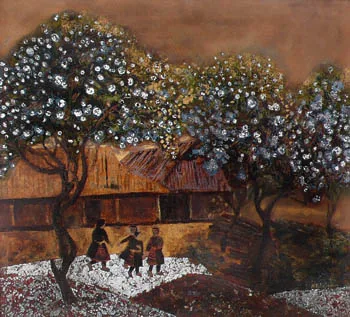
Traditional styles often focus on capturing cultural memory and specific historical moments. You might see these influences in works that emphasize delicate brushwork or represent everyday life with a poetic touch. For example, the painting Going to the market by Hong Van illustrates how artists depict local scenes with distinct character.
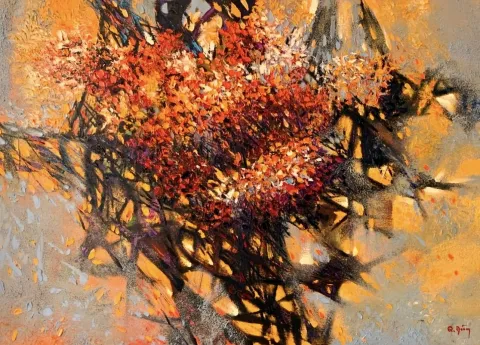
Contemporary styles often lean toward personal expression and modern aesthetics. These works may feature different color palettes or abstract elements that suit minimalist homes. You can explore Phạm Thanh Vân to see how modern Vietnamese paintings adapt to contemporary spaces.
To choose between these styles, consider the following steps:
- \n
- Identify the primary subject matter, such as a landscape or a portrait.
- Observe the level of detail in the brushwork and color application.
- Determine if the mood feels nostalgic or forward-looking.
\n
\n
\n
You may also explore Nguyen Van Bang: Impressionist Oil to see how western techniques blend with local themes. If you are unsure which style suits your space, ask the gallery about the artist’s specific movement and how their work interacts with natural light.
Common themes found in local artworks
When you select a Vietnamese oil painting, many artists focus on subjects rooted in cultural memory. These themes bridge the gap between historical heritage and contemporary perspectives.
You might find yourself drawn to one of these primary categories:
- Rural Life and Landscapes: Many works capture the peaceful countryside or bustling local markets. For example, Going to the market by Hong Van depicts a scene of daily activity.
- Portraiture and Human Emotion: Artists frequently explore the grace of individuals. A work like Beauty offers a focused look at human form through oil on canvas.
- Atmospheric Scenes: Some paintings prioritize the mood of a location over specific details. The piece Charming uses large dimensions to create a specific feeling within a room.
To choose the right subject for your space, consider these steps:
- Identify the primary color palette in your home to see if it complements deep reds or muted earth tones.
- Decide if you prefer a busy scene with many figures or a minimalist landscape that provides a sense of calm.
- Think about whether you want a piece that tells a specific story or one that evokes a general emotion.
If you are unsure which theme fits your collection, you can ask the gallery: “Which artists in your collection focus on serene landscapes versus active village scenes?”
How to verify authenticity and quality
You can confirm the legitimacy of a painting by checking for an official Certificate of Authenticity. This document should be signed by both the artist and Hanoi Art Gallery to provide clear provenance.
To assess the quality of a specific piece, you may consider these steps:
- Examine the brushwork and paint application on the canvas surface to see how the artist handles light.
- Request additional photographs or a short video call to view the texture of the oil medium in different lighting.
- Review the artist’s biography and their history with recognized associations to understand their professional standing.
For example, if you are interested in The sea by Mai Duy Minh, you can request specific details regarding his membership in the Vietnam Fine Art Association. Comparing different works allows you to see how various artists interpret similar subjects like city streets or local life.
If a painting does not display a price on the website, you should ask the gallery for full details and specific information about that work. You may also want to ask: “What specific techniques did the artist use to achieve this level of detail in the landscape?”
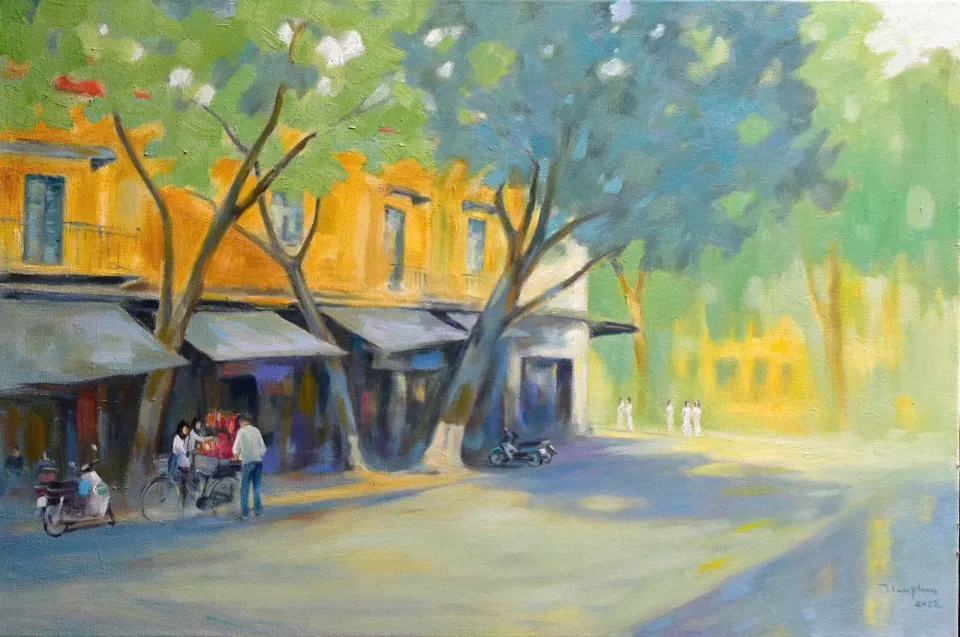
Mistakes to avoid when buying your first piece
Choosing your first Vietnamese oil painting requires balancing visual appeal with practical care. These works use traditional techniques that respond to specific environments over time. Consider these points to keep your new acquisition in good condition.
Practical considerations for your collection
- Humidity control: Vietnam’s climate is often humid, and oil paintings need stable environments. Ask the gallery about storage needs for different canvas types.
- Light exposure: Direct sunlight can fade pigments over time. Choose a wall with indirect light to preserve colors in works like Charming.
- Size and placement: A large work may overwhelm a small room. Consider your furniture layout before choosing a specific dimension.
If you are unsure about how a painting looks in your space, request more photographs or a video call. This helps you see surface details and scale clearly. You can also explore the Buying Vietnamese Art as a guide for more tips.
Here is a comparison of two different approaches to selecting your first work:
- The Focal Point: Choose a large piece like Beauty (120x80cm) to serve as the main visual anchor.
- The Intimate Study: Select a smaller oil on canvas, such as 40x60cm or 50x70cm, for a desk or mantel.
What specific dimensions do you have available in your intended display area? You may also want to ask the gallery about the specific weight of large canvases.
Questions to ask the gallery before purchasing
When you find a specific work that resonates with your personal style, asking targeted questions helps clarify details about its creation and care. Because every piece of art is unique, these inquiries can help you understand the nuances of the medium and the artist’s process.
You may want to consider these points during your conversation with our team:
- \n
- Can you provide more photographs or a short video call so I can see the surface texture of this specific painting?
- What are the dimensions of this work, and does it include a frame in the final price?
- How should I maintain this oil on canvas to prevent damage from humidity or direct sunlight?
- Could you share more about the artist’s background and their typical techniques for these types of scenes?
\n
\n
\n
\n
For example, if you are interested in a piece like Charming, you might ask how its specific color palette compares to other works in our collection. You can also inquire about the oil paintings available for different room sizes or request more information on custom commissions. Asking these questions can help you feel more confident that your selection suits your space.
Frequently asked questions
How do I maintain an oil painting in a humid climate?
Oil paintings require a stable environment to prevent the canvas from warping or developing mold. You should keep the artwork away from damp walls and high-moisture areas like bathrooms. Ask the gallery for specific care instructions based on the unique materials used in your chosen piece.
Can I hang my painting in direct sunlight?
Direct sunlight can cause colors to fade over time and damage the surface of the oil paint. It is better to place your artwork in a well-lit area that avoids constant exposure to UV rays. You might consider using glass with UV protection for extra safety.
Is it better to buy smaller pieces first?
Choosing smaller works allows you to experience the artist’s style before committing to larger formats. For example, a piece like Charming may suit those seeking larger dimensions. This approach helps you understand how different sizes interact with your home decor.
Do paintings come with a certificate of authenticity?
Original works come with an official Certificate of Authenticity signed by the artist and Hanoi Art Gallery. This document confirms the piece is an original creation. You can request to see this documentation during your inquiry process to ensure your collection remains verified.