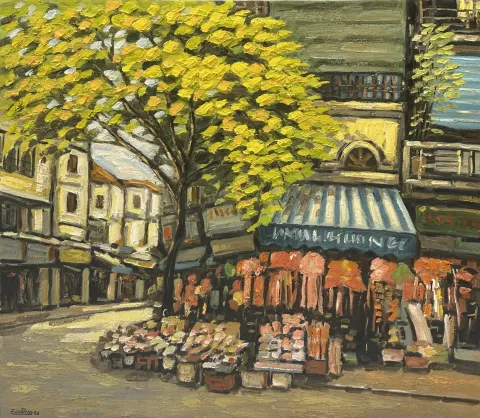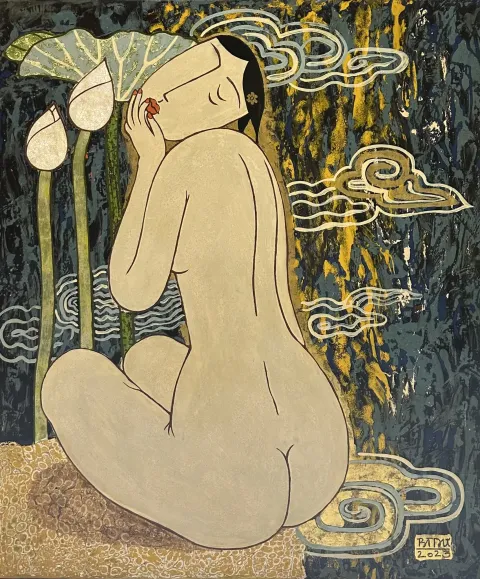
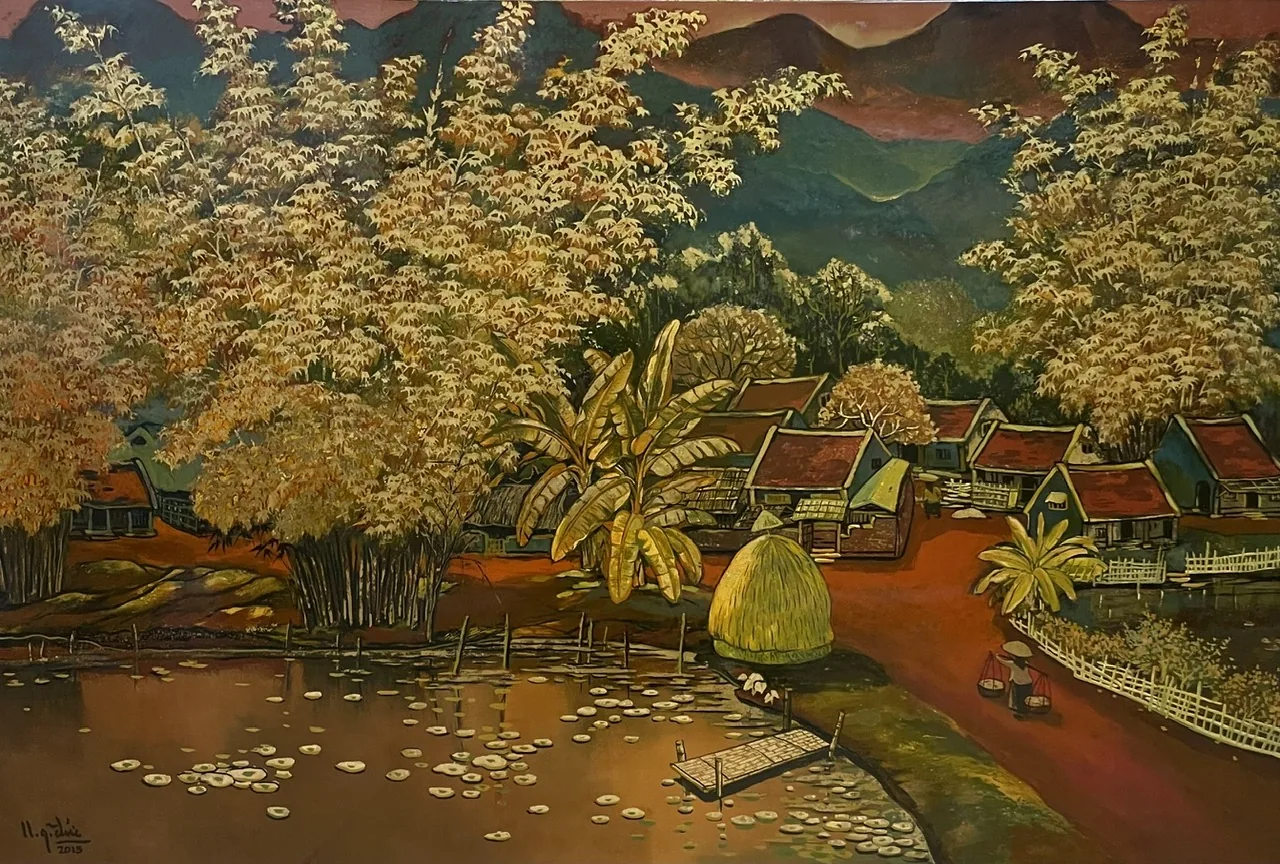
Choosing the right pieces for a hospitality project involves balancing cultural depth with a specific brand aesthetic. When choosing Vietnamese art for hotel lobbies and rooms, you can transform functional areas into memorable experiences that reflect local heritage for your guests. This approach can help create a distinctive atmosphere.
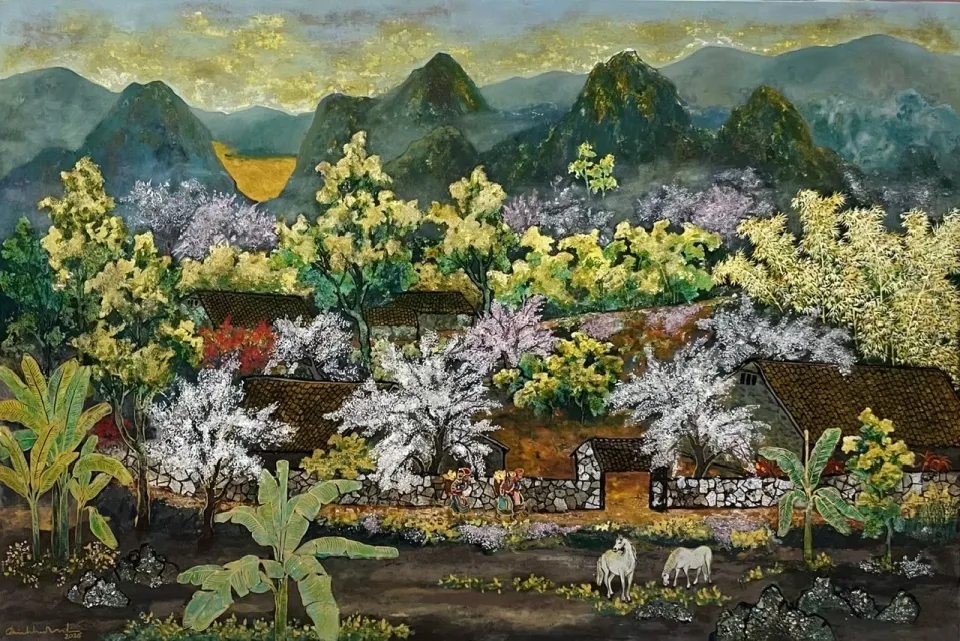
This guide explains how to coordinate colors with existing interiors and select materials suitable for high-traffic environments. You can also decide on specific themes, such as nature or traditional motifs, to enhance the guest experience. Ask the gallery about artworks that suit large-scale lobby displays or intimate room settings.
How to integrate Vietnamese heritage into modern hospitality
Integrating cultural heritage into a contemporary hotel design requires a balance between local identity and your specific brand aesthetic. When you choose original Vietnamese paintings, you transform functional areas like lobbies or corridors into meaningful cultural experiences for guests. This approach allows visitors to connect with the history of Vietnam while enjoying a sophisticated atmosphere.
To harmonize these elements effectively, consider how different styles interact with your interior architecture:
-
Lobby Areas: Large-scale lacquer paintings or oil works can serve as focal points. For instance, Vietnamese village by Dinh Viet offers a narrative of rural life that complements expansive open spaces.
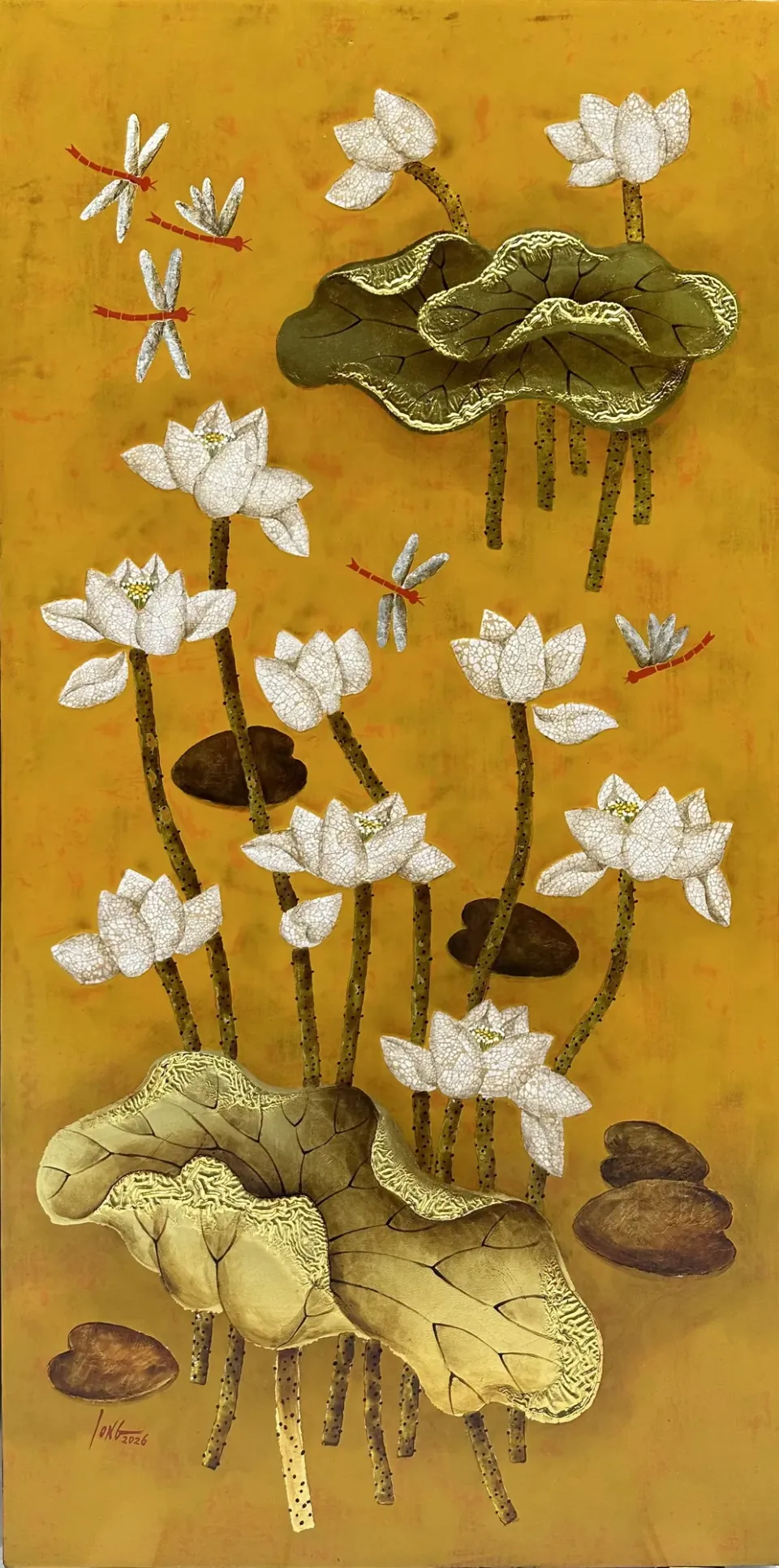
Guest Rooms: Smaller, intimate pieces create a sense of serenity. Works featuring floral motifs, such as the lotus series by Bui Trong Du, provide a calming touch for private retreats.
Corridors: Use repetitive themes or series to guide the eye. Selecting works that share a common color palette ensures visual continuity across long hallways.
You might also explore Phạm Thanh Vân for a minimalist approach that suits modern spaces. Alternatively, the work of Dinh Quan offers a detailed look at traditional attire.
When selecting your collection, you might ask the gallery about the specific narrative behind an artist’s work. Understanding whether a piece focuses on northern highland villages or contemporary life helps you curate a cohesive story for your property. For more information, you can read Vietnamese Art for Hotel and Resort Interiors to see how other properties use these elements.
Selecting durable works for high-traffic lobby areas
Public spaces like hotel lobbies require art that balances visual impact with the demands of heavy foot traffic. When selecting pieces for these environments, you should prioritize materials that maintain their integrity over time while providing a sophisticated atmosphere.
Lacquer paintings are often well suited for hospitality settings due to their unique depth and craftsmanship. For example, works by Dinh Viet offer rich textures that can serve as focal points in large corridors. Oil on canvas provides another versatile option for creating a sense of permanence in your interior design.
Consider these factors when choosing art for your commercial spaces:
- Material Longevity: Ask the gallery about how specific mediums, such as lacquer or oil, react to different lighting and humidity levels.
- Scale and Proportion: High-traffic areas often benefit from larger formats that can be seen from a distance by guests moving through the lobby.
- Visual Narrative: Choose pieces that tell a story of local culture to enhance the guest experience as they enter your property.
You may wish to read the Hanoi Art Gallery for Tourists guide for more specific placement advice.
To ensure your selection meets your needs, you can ask the gallery about the typical maintenance requirements for large-scale lacquer works in public settings.
Creating a sense of serenity in guest rooms
Choosing artworks for private accommodations requires a focus on tranquility and personal comfort. While lobby pieces often aim for impact, guest room art should foster a relaxing atmosphere.
Consider incorporating nature-inspired themes to create a peaceful sanctuary. Floral motifs or soft landscapes can provide a sense of calm in smaller spaces. For instance, works by Bui Trong Du often feature delicate subjects like lotus flowers which evoke stillness.
When curating for guest rooms, you might consider these steps:
- Identify the primary color palette of the room to ensure visual harmony.
- Choose smaller formats that do not overwhelm the living area.
- Select subjects that promote rest, such as serene landscapes or botanical studies.
- Group multiple smaller works together to create a curated gallery feel on one wall.
You can compare different mediums to see which fits your interior design:
- Oil on canvas: Offers rich textures and deep colors that add warmth to a bedroom.
- Lacquer paintings: Provide a smooth, lustrous finish that reflects light in dim lighting.
To choose the right pieces for your specific property, ask the gallery about which artists specialize in calming themes.
Avoiding common mistakes in commercial art placement
Choosing art for commercial hospitality spaces requires more than a taste for aesthetic beauty. You must consider how the physical environment impacts the longevity of your collection. Improper placement can lead to environmental stress or visibility issues that detract from the guest experience.
Logistical considerations for professional displays
When planning a gallery-style layout in corridors or lobbies, pay close attention to these three factors:
- Lighting orientation: Ensure light sources do not cause glare on glossy surfaces. For example, lacquer paintings like those by Dinh Viet require specific angles to show depth without reflecting overhead bulbs.
- Scale and proportions: A work that looks substantial in a studio may feel small in a high-ceilinged lobby. You should measure the wall area before finalizing your selection.
- Environmental factors: Consider how humidity or coastal air might affect different mediums over time. Ask the gallery about specific maintenance needs for lacquer versus oil on canvas.
To avoid common mistakes, you can use this checklist during your site visit:
- Identify high-traffic zones where art should be placed at a safe distance from walkways.
- Check for consistent wall colors to ensure the artwork remains the focal point.
- Verify that mounting hardware is suitable for the weight of large-scale pieces.
If you are unsure about how a specific piece will interact with your interior lighting, ask the gallery for photos of the work under different light conditions.
What to ask your gallery for bulk procurement
Acquiring artwork for a hotel or resort project requires different steps than private collecting. You must ensure the gallery can support commercial logistics and specific brand needs for suites or restaurants.
Asking the right questions helps confirm that the gallery understands your timeline and technical demands. Consider these points when discussing large procurement with a representative:
- Can you provide a portfolio of previous hospitality projects like those in the Park Hyatt Saigon?
- What is the process for coordinating a cohesive collection across different rooms?
- Are there options for sourcing various sizes to fit narrow corridors or large lobby walls?
- How do you handle professional packaging and insurance for multiple high-value shipments?
- Can you provide an official Certificate of Authenticity for every individual work in the order?
To clarify your needs, you might ask: “What steps do you take to ensure a series of lacquer paintings remains consistent?” This ensures the final installation feels like a unified experience.
Related reading: Dinh Quan: Grace and Ao Dai.
Frequently asked questions
Can I commission custom pieces to match my hotel brand identity?
The possibility of commissioning work depends on the specific artist and their current studio capacity. You may ask the gallery if any selected artists offer bespoke commissions to align with your unique brand vision.
Which materials are most durable for humid or coastal environments?
Durability varies based on the medium used in each individual painting. For high-moisture areas, you should ask the gallery about the specific properties of lacquer versus oil paintings to ensure long-term preservation.
How do you balance traditional motifs with contemporary interior design?
You can achieve balance by selecting works that interpret historical themes through modern techniques. For example, a lacquer painting by Bui Trong Du might offer a refined aesthetic that complements various decor styles.
How should large-scale works be displayed in narrow corridors?
Placement depends on the dimensions of the work and the width of your walkway. You should ask the gallery for advice on how to position specific pieces to maintain an open flow of movement.