
Understanding the customs documentation for importing Vietnamese art is a vital step for collectors who wish to bring original works into their private homes. Navigating these requirements can help your acquisition move more smoothly across borders and reduce the risk of delays at the port of entry. This process involves coordinating specific paperwork to meet the regulatory standards of your destination country.
This guide helps you check the necessary certificates and identify which details are usually required for a declaration. This information helps you decide how to coordinate with your gallery regarding shipping logistics and insurance. You may also want to ask about the typical timeline for international transport.
What is required for customs documentation for importing Vietnamese art?
Bringing a piece of fine art from Vietnam into your home involves navigating specific international regulations. While every country has unique entry requirements, you will generally need to prepare several types of paperwork to clear customs legally and smoothly. These documents verify the origin, value, and authenticity of the work to ensure it complies with local import laws.
To help you prepare for the shipping process, consider these common requirements for your documentation:
- Commercial Invoice: This document states the purchase price of the artwork. It is essential for determining any applicable taxes or duties in your country.
- Certificate of Authenticity: Having a formal document signed by the artist and gallery confirms the work’s provenance. This helps customs officials verify that you are importing an original fine art piece.
- Packing List: A detailed description of the contents, including dimensions and weight, assists in the physical handling of your shipment.
For example, if you purchase a painting such as The Monks 2 by Nguyen Minh Phuoc, you must ensure all supporting papers are organized before the work leaves Vietnam. If you are unsure about specific requirements for destinations such as London or New York, you should ask the gallery which documents they provide to support your import process.
You can also consult these resources to better understand the logistics of acquiring international works:
- Check the guide on Buying Vietnamese art online for a broader look at shipping and customs.
- Read about Hanoi Art Gallery for Tourists to learn more about the local art scene.
Because customs rules can change based on your specific location, it is always wise to contact a shipping specialist or the gallery directly. They can provide details on how they handle international logistics and what specific forms are needed for your country.
Key factors affecting international shipping and import duties
When you arrange to bring original artworks across borders, several variables determine the final costs and logistics of the delivery. Understanding these elements helps you prepare for the transition from the gallery to your private collection.
The following factors will influence how your shipment is handled by customs authorities:
- Country of Residence: Different nations have unique tax codes and import regulations for fine art objects.
- Nature of the Medium: Materials like lacquer or oil on canvas may require different handling than other types of works.
- Total Value: The declared value of a piece, such as an oil painting by Dang Phuong Viet, affects duty rates.
- Dimensions and Weight: Larger scales influence the volume of packaging required for secure transit.
To plan your budget accurately, consider these steps before finalizing a purchase:
- Identify the specific customs rules for your local region to see if art imports are exempt from certain taxes.
- Request a detailed breakdown of shipping costs and insurance coverage based on the weight of the work.
- Ask the gallery what specific documentation they provide to facilitate a smooth clearance process through port authorities.
For instance, if you choose an oil painting like The Monks 2 by Nguyen Minh Phuoc, the dimensions and medium will dictate the shipping requirements. Because every shipment is unique, you should ask the gallery about specific customs procedures for your location to avoid unexpected fees.
How to verify authenticity and provenance for your records
Ensuring that your paperwork aligns with the physical history of a piece is essential for maintaining an accurate collection record. When you acquire a work, such as an oil on canvas by Nguyen Minh Phuoc, the documentation serves as the primary link between the object and its creator. You should verify that every detail on the certificate matches the specific dimensions and medium listed in your purchase agreement.
To confirm your records are complete and accurate, you can follow these steps:
- Check that the Certificate of Authenticity includes a signature from both the artist and the gallery.
- Compare the unique identifiers on the invoice with those printed on the physical artwork or its backing.
- Verify that the provenance description clearly outlines the movement of the work from the studio to your residence.
If you notice any discrepancies between the provided documents and the painting, such as a difference in size for The Monks, contact the gallery immediately. It is helpful to review How to verify gallery reputation for online purchasing to help judge whether your source provides reliable documentation. You may wish to ask the gallery: “Can you provide a detailed provenance history that tracks this specific piece from its initial creation?”
Common mistakes when declaring fine art for private collections
Navigating international regulations requires precise attention to detail to avoid unexpected delays or fines. When you move a piece of Vietnamese fine art across borders, incorrect descriptions on your paperwork can cause significant issues at the port of entry.
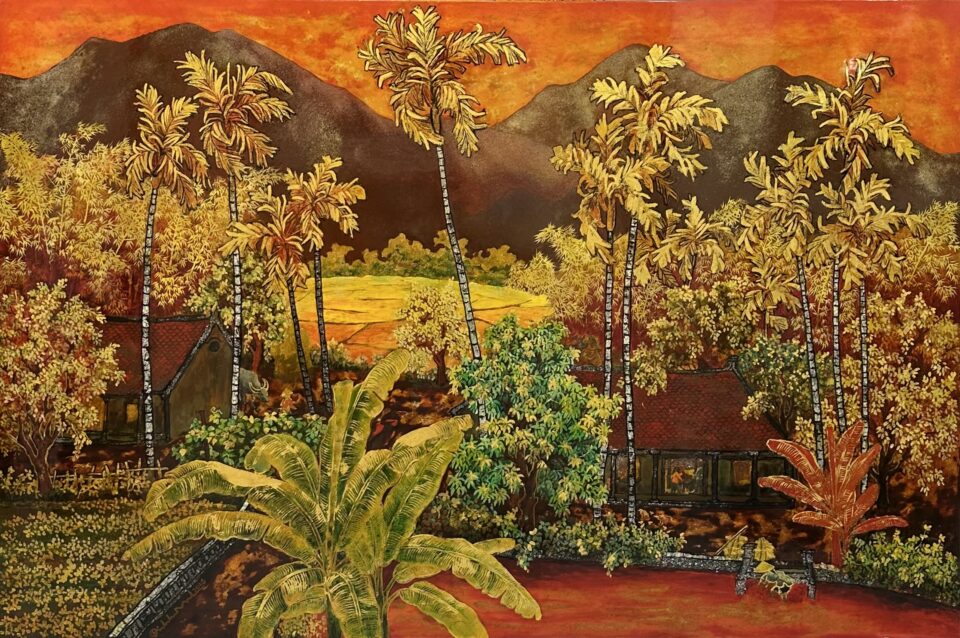
One common error involves providing vague details about the medium or construction of the work. For instance, a lacquer painting like Vietnamese village by Dinh Viet has specific material properties that must be clearly stated. You should ensure your documentation distinguishes between different types of oils, canvases, and traditional finishes to help customs officials categorize the item correctly.
To prevent complications during the clearance process, follow these steps when preparing your declaration:
- Verify the exact dimensions and weight of the work as listed on the invoice.
- Include a clear description of the materials used in the artwork.
- Attach the official Certificate of Authenticity to your shipping documents.
You can also compare how different mediums might be perceived by customs authorities. An oil on canvas piece, such as The Monks 3 by Nguyen Minh Phuoc, may follow different reporting paths than a complex lacquer work due to the nature of the materials.
If you are unsure about specific terminology for your chosen piece, you might ask the gallery: “What specific technical descriptions should I include on my customs declaration for this particular medium?”
Questions to ask your gallery before finalizing an international shipment
Navigating the logistics of bringing a painting from Vietnam into your home requires clear communication with your point of contact. Because customs regulations vary significantly between destinations such as London, New York, or Tokyo, you should confirm specific details before the work departs. This preparation can help your preferred piece arrive with fewer delays at the border.
When you are ready to move forward with a selection, such as an oil on canvas by Bang Sy Truc, consider these questions to clarify the process:
- Which specific customs forms will be provided for my local port of entry?
- Does the gallery provide a commercial invoice that lists the correct valuation for tax purposes?
- Are there any special permits required for works featuring traditional materials like lacquer or gold leaf?
- Who is responsible for coordinating with the local courier once the art reaches my country?
You can find more details regarding international shipping to understand how these steps are managed. To ensure a smooth experience, you might also ask: “Can you provide a sample of the documentation package for my specific region?” This allows you to review the paperwork style before any costs are incurred.
Frequently asked questions
Are there specific taxes for importing paintings from Vietnam?
Import taxes vary depending on the laws of your specific country and local customs regulations. These duties often depend on the declared value of the artwork and any applicable luxury goods levies in your region. Please ask the gallery for details regarding common requirements in your location.
Do I need a special license to import fine art into my country?
Requirements for special licenses vary significantly based on the destination country and the specific materials used in the artwork. Some nations have strict rules regarding certain organic materials or cultural heritage exports. You should consult with a local customs broker or ask the gallery about your region.
How long does it typically take for customs clearance of artworks?
The duration of customs clearance depends on the efficiency of your local port and the accuracy of the provided paperwork. Delays can occur if documentation is incomplete or if additional inspections are required by authorities. You may ask the gallery about typical transit times to your city.
Can the gallery provide a certificate of authenticity for my documents?
Ask the gallery whether it provides an official Certificate of Authenticity signed by the artist and the gallery. This document supports your records and helps verify the provenance of the work during the import process. You can ask the gallery to confirm which specific details will be included on your certificate.