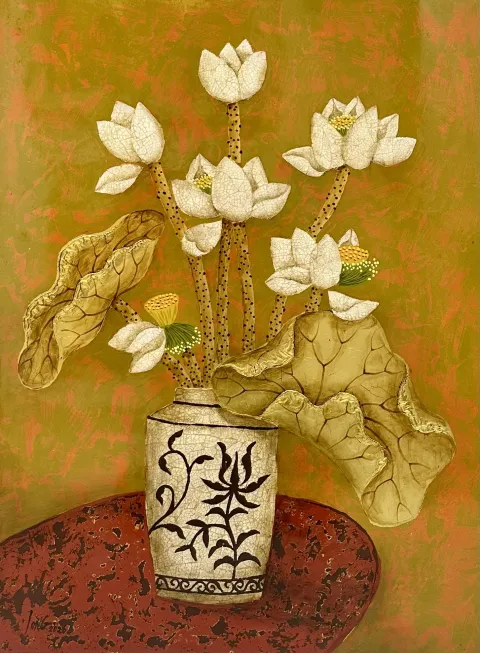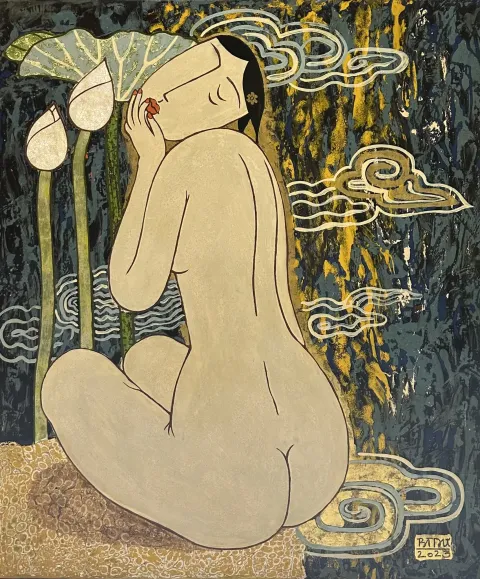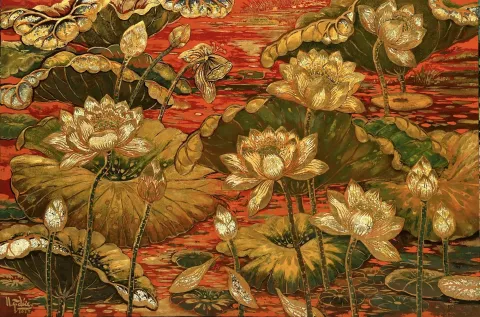

When you discover a piece of Vietnamese fine art that speaks to you, the next step is often figuring out how to bring it into your home. Whether you are located in London, New York, Tokyo, or Sydney, buying Vietnamese art online: pricing, shipping, framing and customs can feel like a complex process. This guide helps you understand what to expect when acquiring original works from Vietnam.
Understanding the Vietnamese Art Market Prices
Navigating the market for contemporary Vietnamese art requires an understanding of how prices are formed. The market operates through several channels, including specialist galleries, auction houses, artist studios, and private sales. Across these channels, public price transparency is often limited and quality can vary significantly.
When you browse a gallery website, you might notice that some paintings do not show an immediate price. This is common for original works. In such cases, you should request information directly from the gallery to receive full details and a specific quote. If you are looking for specific categories, you can explore Vietnamese contemporary art market prices to see current trends.
For those starting a collection, it is helpful to consider the following:
- Specialist galleries represent specific artists and provide a curated selection.
- Pricing depends on the artist’s recognition, the medium used, and the complexity of the work.
- Original works are distinct from prints or reproductions, which affects their market value.
Logistics of Shipping and International Delivery
One common concern for online collectors is how a painting can travel safely across borders. Specialist galleries with experience in international trade usually have set procedures to help the artwork arrive in good condition. When you buy Vietnamese lacquer paintings online, the gallery handles the logistics of moving the piece from Vietnam to your doorstep.
Before you finalize a purchase, you should ask the gallery about their international shipping and shipping policy. It is important to know how the work will be packed to protect it from damage during transit. You should also inquire about the estimated time for delivery to your specific region.
Customs Regulations and Documentation
Shipping art internationally involves more than just transportation; it involves moving goods through customs. Every original work of art should come with a Certificate of Authenticity signed by both the artist and the gallery. This document helps verify the work’s origin and authenticity.
When your painting arrives in your country, you may be required to clear it through customs. The gallery can provide the necessary documentation to facilitate this process. It is a good idea to ask about any specific requirements for your region before the item is dispatched. If you have questions regarding the paperwork, you can consult the FAQ section of the gallery website.
Framing and Display Requirements
How a painting is displayed can affect its presentation in your home or office. For example, if you are purchasing art for a corporate setting, it may need to meet specific interior design standards. You might consider Vietnamese art for hotel and resort interiors if you need professional guidance on large-scale displays.
Here are some practical tips for framing your new acquisition:
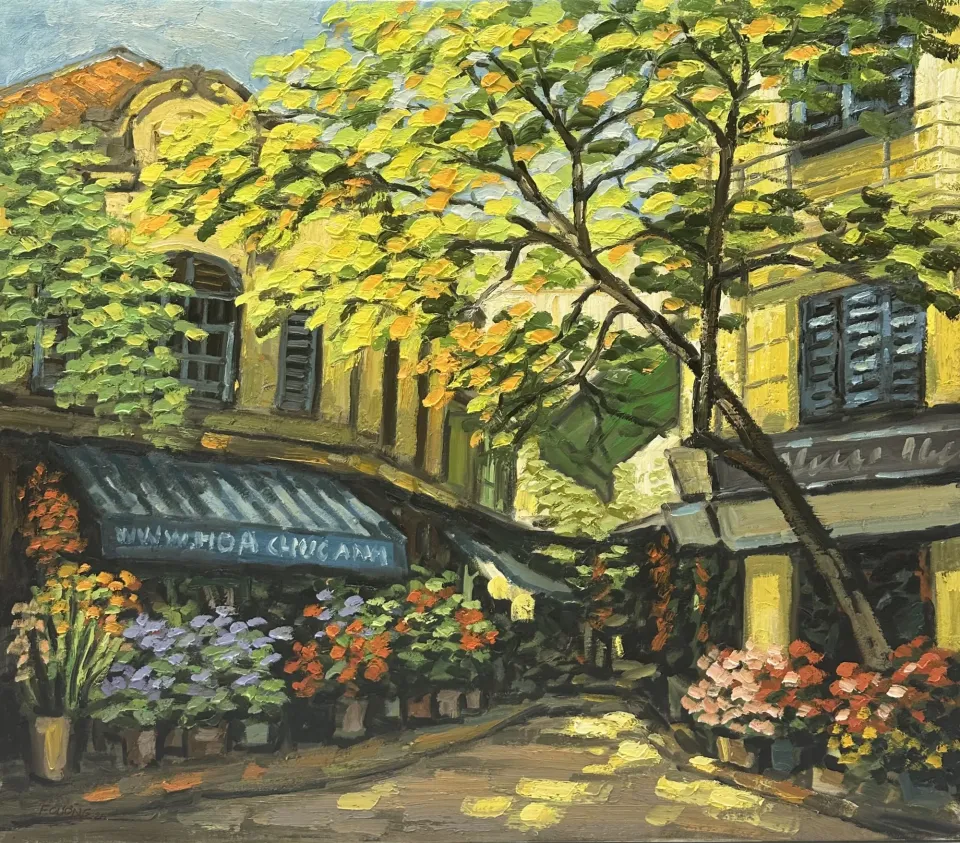
- Check the dimensions of the work before deciding on a frame. Smaller formats, such as 40x60cm or 50x70cm oil on canvas works, are often easier to handle and frame.
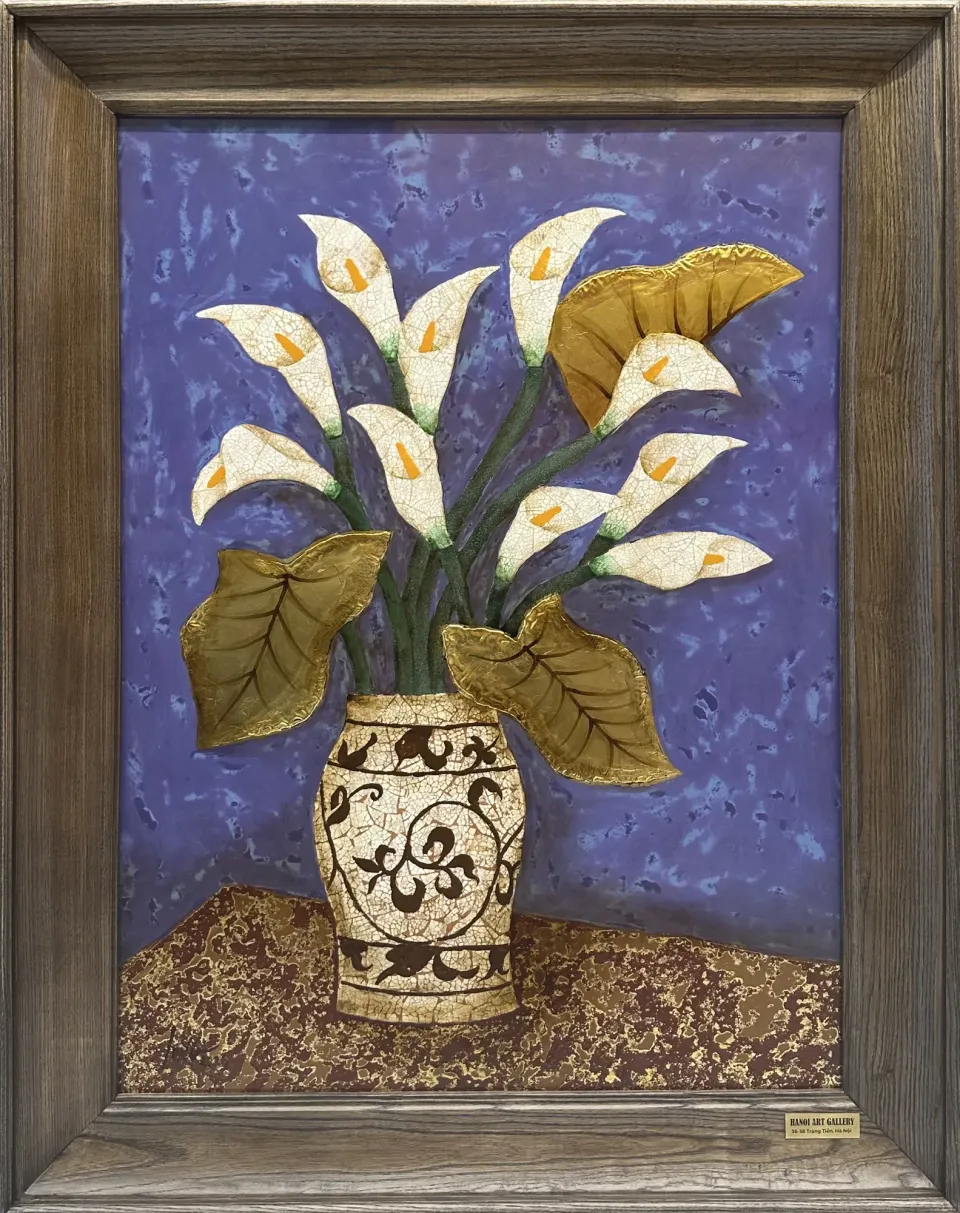
- Consider the medium. Lacquer paintings have unique surfaces that may require specific handling compared to oil paintings.
- If you are unsure about the best framing style, ask the gallery for advice based on the artist’s style.
Buying Vietnamese Art as a Gift or Investment
Many people choose to acquire these works as meaningful gifts or as part of a long-term collection. A painting can serve as a tangible connection to Vietnamese culture for someone who has visited the country or appreciates its traditions. For instance, figurative lacquer works featuring the ao dai are often sought by those who value cultural pride.
If you are looking to build a collection, you may want to read collecting Vietnamese fine art: a beginner’s investment guide. This can help you understand the nuances of the market. For those seeking specific styles, you might explore:
- Dinh Quan’s lacquer figurative art for elegant depictions of the Vietnamese woman.
- Phạm Thanh Vân’s contemporary paintings for modern spaces.
- Dinh Viet’s lacquer landscapes for a more poetic aesthetic.
What to Check Before You Purchase
To help make the process smoother, take the following steps before making a payment.
- Verify Authenticity: Ensure the gallery provides a Certificate of Authenticity.
- Request Visuals: Ask for additional photographs or even a short video call to see the surface of the work, especially if it is a lacquer painting.
- Confirm Costs: Get a detailed invoice that includes all costs before you pay via PayPal, Visa, Mastercard, American Express, or bank transfer.
- Discuss Shipping Details: Clarify who is responsible for customs duties and taxes in your specific country.
If you encounter any issues during the delivery process or have questions about the paperwork, contact the gallery directly. They can provide guidance on how to handle these situations correctly. You can also find more information by visiting the Vietnamese art blog for updates and insights into various artists and techniques.
By understanding these factors, you can feel more confident in your journey to acquire a piece of Vietnamese fine art.