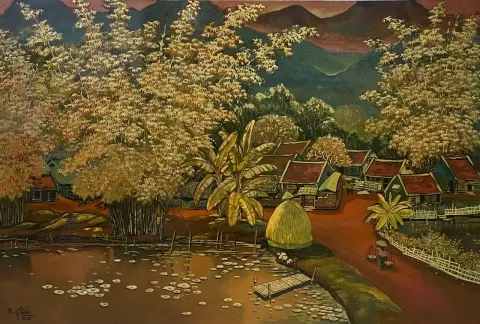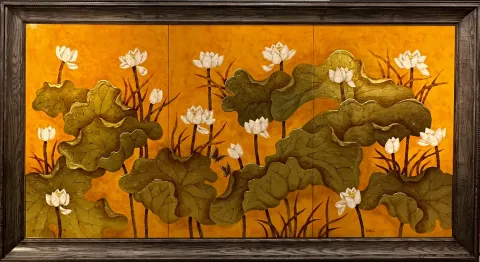
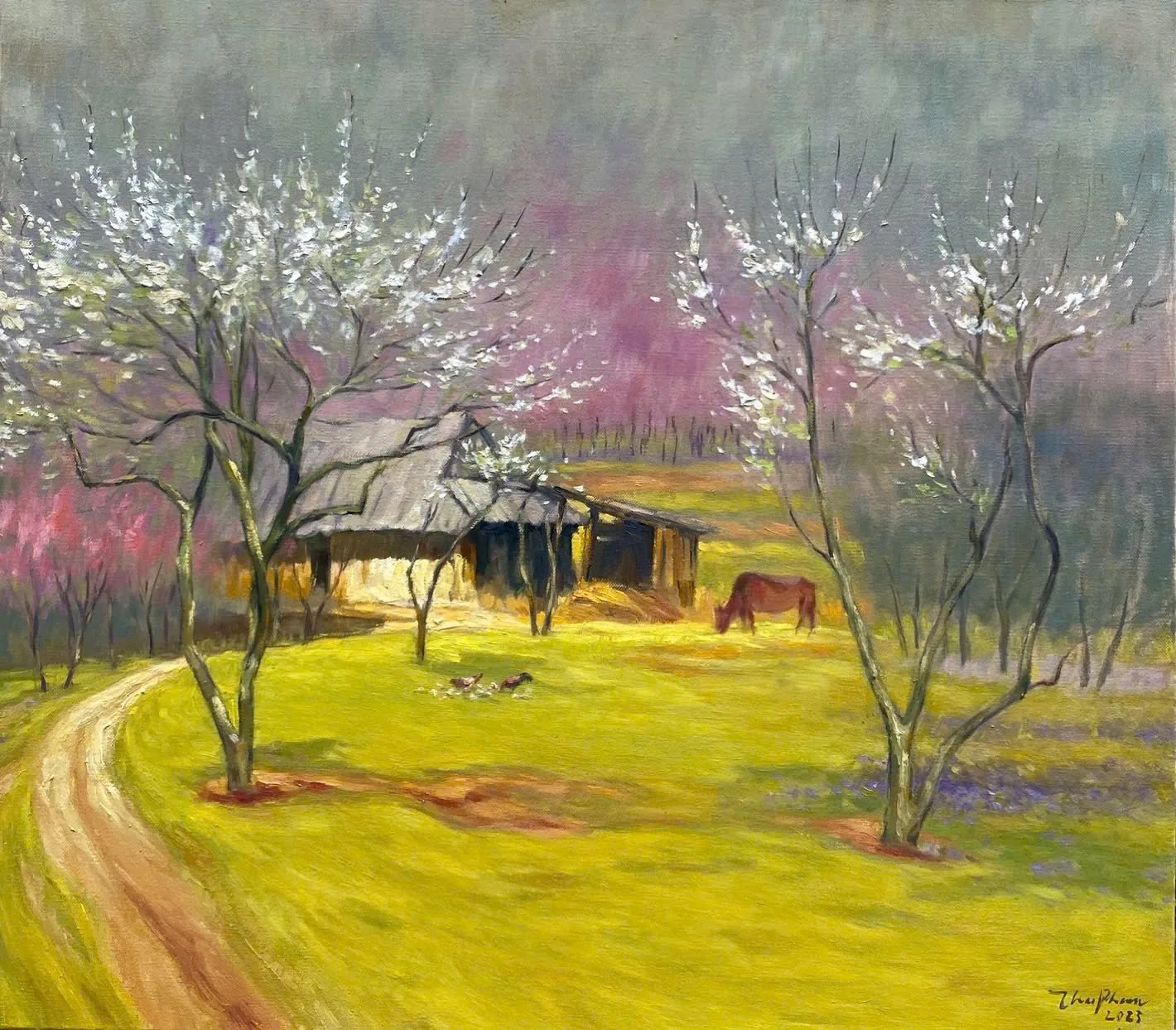
You can learn how to style hotel corridors with Vietnamese paintings by creating a cohesive visual narrative that guides guests through the space. These artworks transform functional hallways into cultural experiences by reflecting local heritage and specific brand aesthetics. By selecting pieces that tell a story, you establish a unique atmosphere for every visitor.
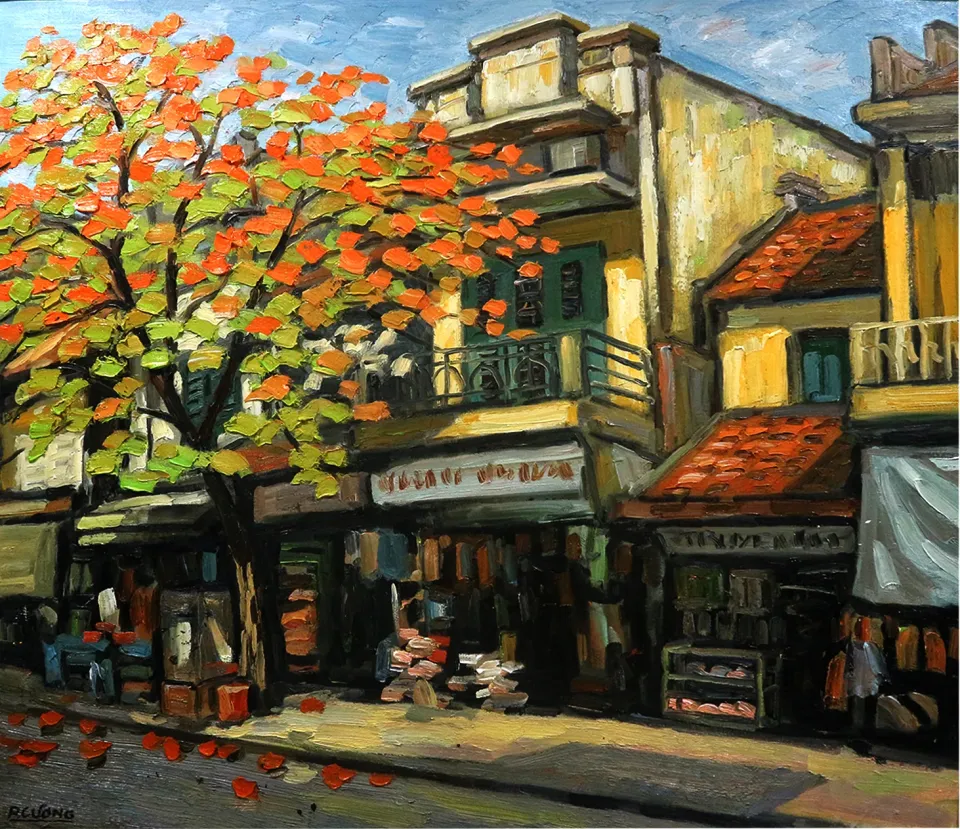
You will find information on coordinating colors with existing interiors and choosing materials suitable for high-traffic environments. You can also decide on specific themes like nature or traditional motifs to enhance the guest experience. This guide helps you evaluate layout strategies and lighting techniques for large installations.
Create a cohesive visual narrative through art
Integrating Vietnamese paintings into hotel corridors allows you to transform a functional walkway into a curated cultural experience. By selecting works that reflect local heritage, you can create a distinctive atmosphere that resonates with guests from the moment they enter the building. This approach helps balance your specific brand aesthetic with deep cultural roots.
To build a successful visual narrative, consider these three steps for arranging artworks in long corridors:
- Identify a central theme such as nature or traditional motifs to maintain consistency across different rooms.
- Arrange paintings in a sequence that guides the guest’s movement through the space naturally.
- Coordinate the colors of the artwork with your existing interior materials and furniture styles.
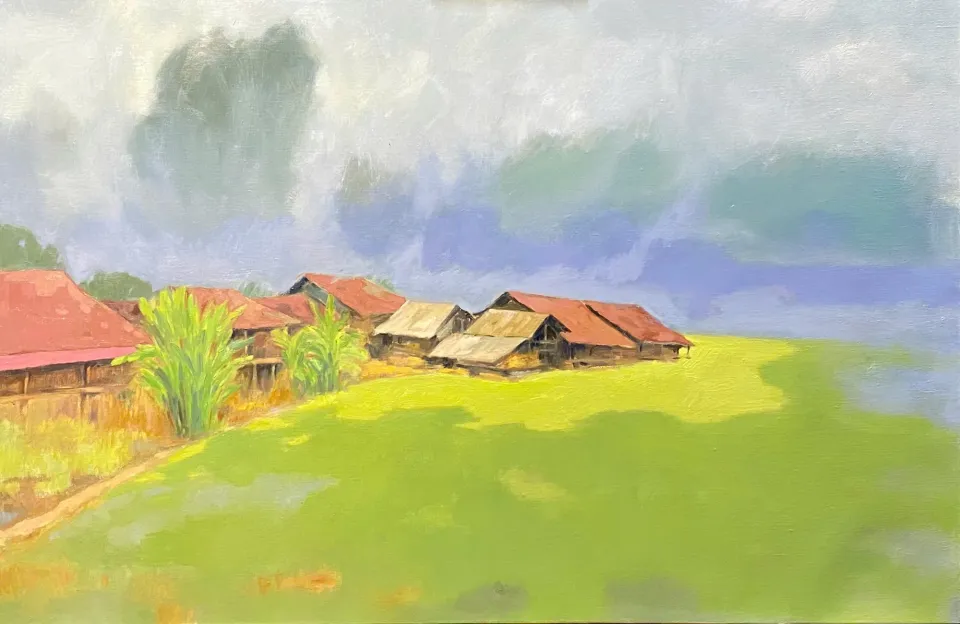
You can create a journey by grouping works from specific artists or regions. For example, featuring Vietnamese village by Dinh Viet alongside other rural scenes provides a sense of place. If you prefer different moods, mixing oil on canvas with lacquer paintings offers a variety of textures and finishes. Because the impact depends on your unique layout, ask the gallery about grouping pieces to achieve a specific flow.
When planning your selection, consider these questions for your interior designer:
- How does the rhythm of the painting placement align with the hotel’s architectural lines?
- Which scale of work complements the ceiling height of our primary corridors?
For more information on selecting specific pieces, you can read How to Buy Vietnamese Lacquer Art to understand the nuances of these traditional mediums.
Balance symmetry and rhythm in long hallways
Designing a layout for hotel corridors requires a strategic approach to guide guest movement while maintaining a sense of spatial flow. You can use Vietnamese paintings to establish a visual rhythm that leads guests toward their destination. Consider whether you prefer a formal, symmetrical arrangement or a more dynamic gallery wall style.
Symmetry provides a sense of order and stability, which often complements the structured architecture of luxury hotels. In this layout, you place identical sizes of works at regular intervals along the walls. For example, using multiple lacquer paintings by Dinh Viet can create a consistent pace for guests walking through a long hallway.
Alternatively, a gallery wall allows for more variety in scale and subject matter. This approach works well if you want to showcase different themes or various artists like Mai Duy Minh or Nguyen Tuan Cuong. To ensure the space does not feel cluttered, follow these steps:
- Identify the primary walking path to determine where guests will naturally pause to view art.
- Group paintings in clusters of three or five to create focal points along the corridor.
- Maintain a consistent height for the center of each work to keep the visual line steady.
When deciding between these two options, consider your brand aesthetic and the specific dimensions of your hallway. A long, narrow space may benefit from the repeating rhythm of smaller works like Carrying baby by Nguyen Tuan Cuong. You should ask the gallery which specific sizes suit high-ceiling environments to avoid leaving too much empty space.
Integrate traditional motifs into modern luxury
Mixing cultural heritage with contemporary hotel branding requires a thoughtful balance between local identity and modern aesthetics. Because hospitality projects often feature sleek materials, choosing pieces that offer visual depth helps create a distinctive atmosphere.
To successfully integrate these elements into a luxury setting, consider these three strategies:
- Coordinate color palettes: Match the tones in the paintings with your existing interior colors to ensure a seamless transition between walls and art.
- Contrast textures: Place smooth lacquer works like those by Phạm Thanh Vân against modern furniture to highlight the unique resin surface.
- Select appropriate scales: Choose large dimensions for high ceilings or smaller works for intimate suites to maintain the correct visual proportion.
You can also create a cultural journey by placing works from different artists in a sequence that tells a story of Vietnamese life. For example, you might pair an oil on canvas piece like Hanoi girls by Nguyen Quoc Doanh with a lacquer painting to show variety.
What specific themes or colors should the gallery prioritize to match your hotel brand?
Avoid common mistakes in high traffic gallery styling
Designing a hotel corridor requires balancing aesthetic appeal with the practicalities of a public space. You must consider how guests interact with the environment as they move between rooms and common areas. To ensure your selection remains impactful, keep these technical considerations in mind:
- Incorrect scale for high ceilings: Placing small works in expansive hallways can make the space feel empty or unfinished. Consider larger dimensions to anchor the walls effectively.
- Inadequate lighting placement: Direct overhead lights can cause glare on polished surfaces like lacquer. Ask the gallery about specific lighting angles to highlight texture without creating reflections.
- Ignoring surface durability: High-traffic areas require materials that withstand environmental factors. Ensure your chosen pieces are suitable for these specific conditions.
You might consider how a work like Vietnamese village by Dinh Viet functions in a hallway. Because it is a lacquer painting, the way light hits the resin layers changes depending on the viewer’s position. To avoid visual clutter, you can use these steps to plan your layout:
- Measure the height of your corridor walls and ceiling to determine the optimal hanging level.
- Identify areas with natural light or specific fixtures that might create harsh shadows.
- Group works by color palette to maintain a consistent brand aesthetic throughout the path.
When planning your installation, you may want to ask the gallery: “What lighting specifications do you recommend to highlight the depth of lacquer paintings in a long corridor?” This helps ensure the artwork remains visible and vibrant for every guest.
Consult the gallery for large scale installations
Designing a hotel corridor requires precise planning to ensure that every piece aligns with your specific brand identity. Because spatial flow and architectural proportions vary significantly between properties, you should consult with professionals before finalizing your selection. This ensures that the artworks complement the height of your ceilings and the width of your hallways without overwhelming the guests.
When coordinating a large project, it is helpful to establish clear goals for the visual journey. You can use these questions to guide your conversation with our team:
- How do specific dimensions of a work like Vietnamese village by Dinh Viet interact with high-traffic corridors?
- Can you provide additional photographs or a short video call to view the surface texture of lacquer paintings?
- Which themes, such as nature or traditional motifs, align with our local heritage goals?
- What methods are used for professional packaging and insured delivery to our specific location?
Every installation depends on your unique interior layout. For instance, a painting by Mai Duy Minh might serve as a focal point in one suite while requiring different spacing in a public lobby. To see how these elements come together, you can explore What decides the price of Vietnamese paintings? and request further details to suit your project needs.
Related reading: Vietnamese Painting as a Gift.
Frequently asked questions
How many paintings are suitable for a very long corridor?
The number of pieces depends on the total length of your hallway and the desired spacing between frames. You might choose to create a rhythmic sequence or leave larger gaps to highlight individual works. Please ask the gallery about specific layout ideas for your space.
How can I reduce glare from overhead hallway lights?
To minimize reflections, consider the angle of your lighting and the surface finish of the artwork. Lacquer paintings have a unique depth that reacts with light differently than oil on canvas. You should ask the gallery for photographs or videos to see how specific pieces interact with different light sources.
Can I mix different styles of Vietnamese art in one hallway?
Mixing styles is possible if you maintain a common thread, such as a shared color palette or recurring traditional motifs. For example, you could combine contemporary scenes with rural themes like those found in the work “Vietnamese village” by Dinh Viet. This creates a diverse cultural journey.
Which materials are most durable for high traffic hotel areas?
Durability depends on the specific medium and the mounting method used for each piece. Both lacquer and oil paintings offer distinct textures and visual depth suitable for public environments. You should ask the gallery which materials suit your specific high-traffic requirements and maintenance needs.