

Natural light effects on lacquer painting surfaces determine how the resin reflects color and depth within your home. Because these works are built with many layers of natural resin, they react uniquely to different types of illumination. You can observe how sunlight or indoor lamps change the visual weight of a piece over time.
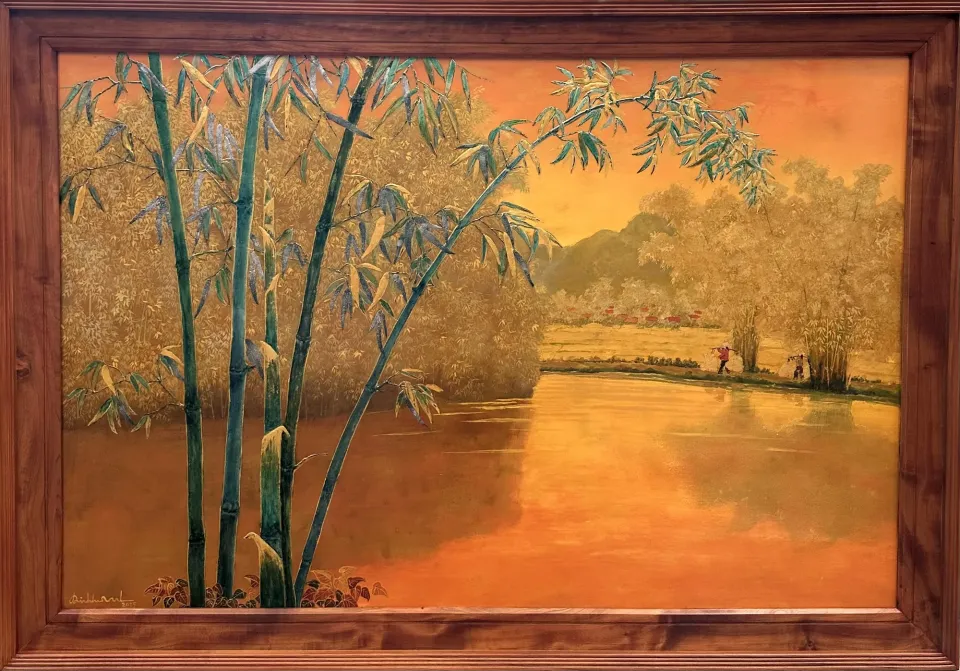
You will learn to evaluate how specific lighting setups highlight texture and luster in various rooms. This information helps you decide on appropriate dimensions for large walls and choose themes that harmonize with your furniture. Consider these points to plan your space:
- Identify which colors shift under different light sources
- Determine a suitable placement for greater visual depth
- Compare how direct sunlight affects surface reflections
How does sunlight change the appearance of lacquer?
The visual appeal of lacquer painting relies on how it interacts with light. Because artists apply many layers of natural resin onto a wooden board, the surface gains a luminous texture that changes as you move around it. This layering creates a sense of depth that distinguishes lacquer from other mediums like oil on canvas.
How light interacts with the resin
Natural sunlight can alter how you perceive the colors and details in a piece. Depending on the angle of the light, certain layers may become more prominent while others recede into the shadows. This interplay between light and shadow is what gives these works their characteristic glow.
- Morning Light: Soft morning rays can highlight the subtle nuances of the resin without creating harsh glare.
- Direct Sunlight: Strong, direct beams may emphasize the polished surface but could also obscure some finer details.
- Artificial Lighting: Lamps can be positioned to focus on specific areas to showcase the repetitive sanding and polishing effects.
To see how these elements work together, you might compare a work like Form and feeling by Bang Sy Truc with an oil painting. You will notice that lacquer provides a different visual weight because of its reflective properties. To understand how a specific piece behaves in your home, consider these steps:
- Identify the primary light sources in your intended room, such as windows or overhead lamps.
- Observe how shadows fall across various surfaces throughout the day.
- Ask the gallery about the specific lighting setups that highlight the natural resin texture of a particular work.
Each piece reacts uniquely based on its individual composition and the number of layers applied by the artist. If you want to learn more about these physical differences, you can read about the Difference between traditional lacquer and oil painting or explore a Lacquer vs Oil on Canvas comparison.
Factors that influence depth and luster in your room
The appearance of a lacquer painting in your home depends heavily on its surroundings. You should consider how different environmental variables will affect the visual depth of these specific materials.
Key factors for lighting your artwork
To showcase the luminous texture of a piece like Form and feeling by Bang Sy Truc, you must evaluate three main elements in your space:
- Angle of Incidence: The position of the light source determines which layers of resin become visible. Side lighting can emphasize the physical texture created by repetitive sanding and polishing.
- Light Intensity: Bright direct sunlight may wash out subtle color transitions, while soft ambient light allows for a more nuanced view of the rich accumulation of color.
- Reflective Surfaces: Nearby furniture or mirrors can bounce light onto the painting, changing its appearance as you move around the room.
You might notice that a piece looks different in a bedroom compared to a bright office. To find the right balance for your interior, try these steps:
- Observe the wall where you plan to hang the artwork during different times of day.
- Identify if the area receives natural light or relies on artificial lamps.
- Place a test piece in the spot to see how it reacts to your specific lighting setup.
Because every room has unique characteristics, you should ask the gallery about which lighting setups highlight the natural resin texture of a specific work.
Comparing different lighting scenarios for your art
The visual impact of a lacquer piece can change depending on the specific room where you place it. Because these works rely on natural resin layers, they react uniquely to various types of light sources in your home.
Consider how different environments influence the atmosphere and visibility of your selection:
- Living Rooms: These spaces often benefit from balanced ambient lighting that allows the rich colors to remain clear. A piece here should be placed where it can catch a soft glow without creating harsh glares on its polished surface.
- Bedrooms: You might prefer softer, warmer light in a sleeping area to create a calm mood. Lacquer paintings in these rooms often show off their deep textures and subtle nuances under low-intensity lamps.
- Offices: In a workspace, you may want a piece that provides a focal point of inspiration. Stronger directional lighting can highlight the intricate details created by repetitive sanding and polishing techniques.
To determine which location suits your specific artwork, you can follow these steps:
- Observe how natural light moves across the wall throughout the day to identify consistent brightness levels.
- Test different lamp placements near the painting to see which angle highlights the resin texture most effectively.
- Compare how a medium like lacquer behaves against an oil painting in your specific lighting setup.
For instance, if you choose Form and feeling by Bang Sy Truc, notice how its specific dimensions and surface interact with your furniture styles. You can read more about choosing a lacquer painting for your home to understand how dimensions and lighting work together. If you are unsure about the reflection properties of a specific piece, ask the gallery about its unique surface qualities.
Common mistakes when placing lacquer in bright areas
Selecting the right spot for a lacquer painting involves more than choosing a beautiful subject. You must consider how intense light sources interact with the natural resin surface over time. A common mistake is placing a piece in direct, unfiltered sunlight which can alter the visual depth of the work.
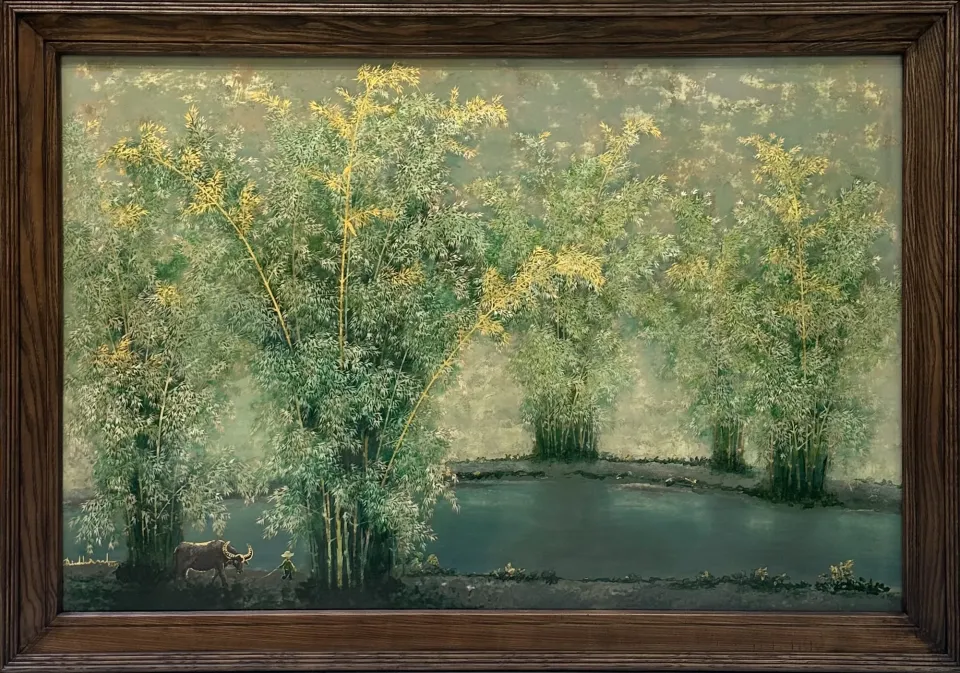
Because artists build these works by applying many layers of resin onto a wooden board, the finish is designed to catch and reflect light subtly. If you place an artwork in a high-glare area, the luminous texture may become overwhelmed by reflections. This can obscure the fine details created through repetitive sanding and polishing. For example, while Form and feeling by Bang Sy Truc showcases beautiful depth, placing it opposite a large window might wash out its nuanced colors.
To ensure your selection maintains its visual impact, consider these steps before hanging:
- Measure the distance between your primary light source and the intended wall space.
- Observe how shadows move across the room during different times of day.
- Test the placement by holding a photo or moving the piece to see if glare hides specific details.
If you are unsure about a specific spot, ask the gallery which lighting setups highlight the natural resin texture for your particular room layout.
Questions to ask the gallery before purchasing
To ensure your new acquisition remains vibrant, you should discuss specific environmental factors with an expert. Because lacquer relies on natural resin layers, its appearance is sensitive to how light hits the surface throughout the day. Asking targeted questions helps you prepare a space that preserves the visual depth of the medium.
Consider these points when speaking with a consultant about your intended display area:
- Which specific lighting setups are most effective at highlighting the natural resin texture without causing harsh glare?
- How will the colors in a piece like Form and feeling by Bang Sy Truc react to indirect versus direct light?
- What are the recommended distances between the painting and the nearest light source to maintain its luster?
You may also want to ask about the physical properties of the work to better understand its needs:
- Does this specific piece have a high-gloss finish that requires more careful positioning away from windows?
- Are there any restrictions on humidity or temperature in the room to protect the wooden board and resin layers?
Every work responds uniquely to its surroundings. You can explore various lacquer paintings to see how different artists achieve depth, but always consult the gallery for advice on your specific home layout.
Frequently asked questions
Can direct sunlight damage the resin over time?
Prolonged exposure to intense rays can affect how natural resins react. While these materials are durable, extreme heat or UV light may alter the surface finish over many years. You should ask the gallery about specific care instructions for your chosen piece.
How do I prevent glare on a high-gloss lacquer surface?
Reflections often occur when light hits the polished resin at certain angles. You can minimize this by adjusting the position of lamps or furniture nearby. Consider how different viewing heights impact the visibility of details like those in Form and feeling.
Should I place my painting in a dim corner or near a window?
The ideal location depends on your desired atmosphere and the specific work’s finish. Soft, indirect light often highlights the depth created by many layers of resin. You might prefer a spot that balances visibility with protection from harsh rays.
Does natural light change the colors of the gold leaf?
Light levels can influence how metallic elements shimmer and reflect within the lacquer. Bright surroundings can make these details pop, while softer light provides a more subtle glow. Each painting reacts uniquely; please consult the gallery for specific guidance on your selection.