Incorporating contemporary Vietnamese art into boutique hotels allows you to create a unique brand identity by blending local heritage with modern aesthetics. These pieces transform functional spaces into memorable experiences that reflect the cultural depth of Vietnam for your guests. By selecting specific themes, you can establish a distinctive atmosphere throughout the property.
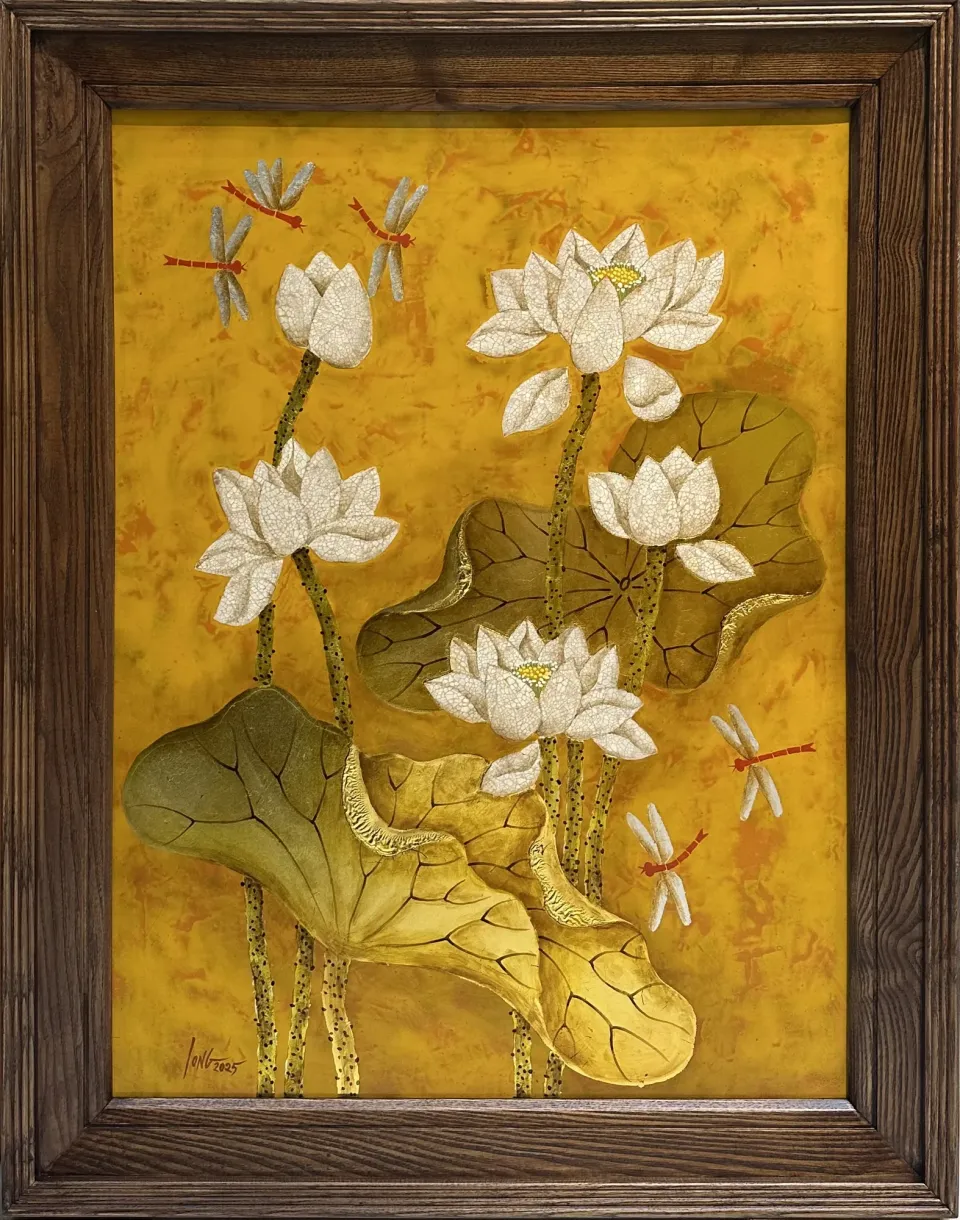
You can learn how to coordinate colors with existing interiors and choose materials suitable for high-traffic environments. This information helps you decide on artistic styles like minimalist compositions or textured oil paintings. You may also check which themes can enhance the guest experience in different areas.
How does contemporary Vietnamese art define a hotel brand?
Integrating local artwork into your boutique hotel allows you to transform functional spaces into memorable experiences. By selecting pieces that reflect regional heritage, you create a distinctive atmosphere for your guests. This approach helps align your brand with cultural depth while maintaining a specific aesthetic.
You can use different styles to evoke unique moods within various areas of the property. For example, consider these ways to apply contemporary Vietnamese art:
- Lobby Areas: Use large scale lacquer paintings to establish a sense of place and craftsmanship in high-traffic foyers.
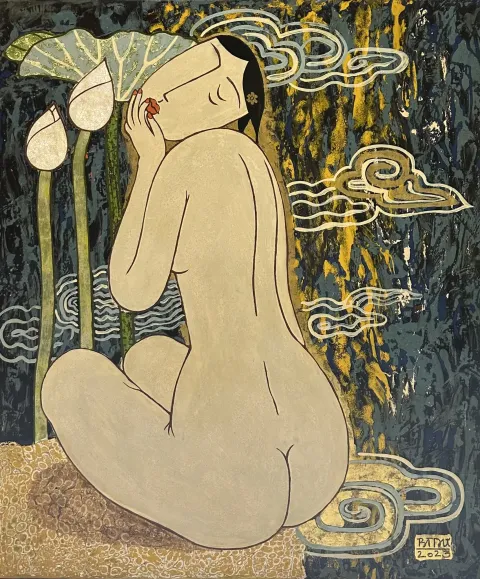
- Guest Rooms: Choose minimalist compositions that offer emotional depth and peacefulness for private retreats.
- Thematic Consistency: Select motifs like nature or traditional symbols to create a cohesive visual narrative across the building.
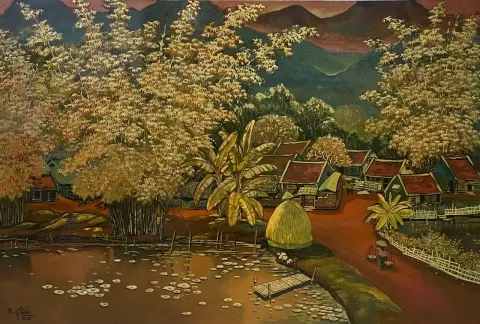
For instance, you might select works by Phạm Thanh Vân to introduce a modern lens on rural beauty. Her minimalist style uses simple elements like houses and trees to create dreamlike landscapes suitable for quiet interiors.
When planning your collection, consider these steps to ensure the art complements your interior design:
- Identify the primary color palette of your furniture and walls to coordinate with the artwork.
- Evaluate the texture of different mediums, such as oil on canvas or traditional lacquer, based on room lighting.
- Select specific themes that resonate with your brand story, whether it is urban history or rural serenity.
To refine your selection, you may want to ask the gallery about which specific artists offer a balance between contemporary techniques and traditional Vietnamese motifs. You can also read more in our guide on Vietnamese Art for Hotel and Resort Interiors.
Which artistic styles suit different guest areas?
Selecting the right artworks requires balancing cultural depth with your specific brand aesthetic. You can choose themes like nature or traditional motifs to enhance the experience for guests in different zones.
Consider these pairings based on common hospitality spaces:
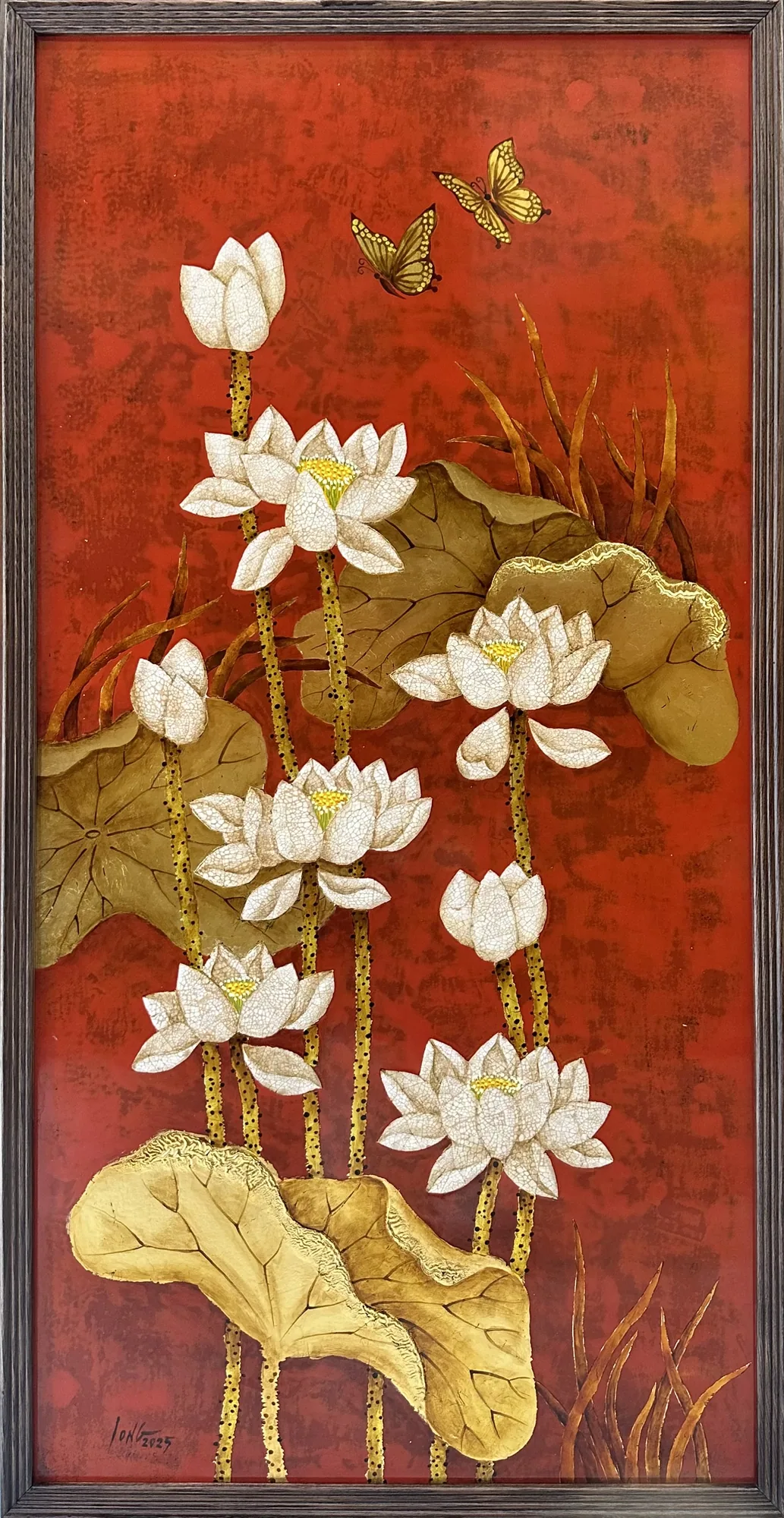
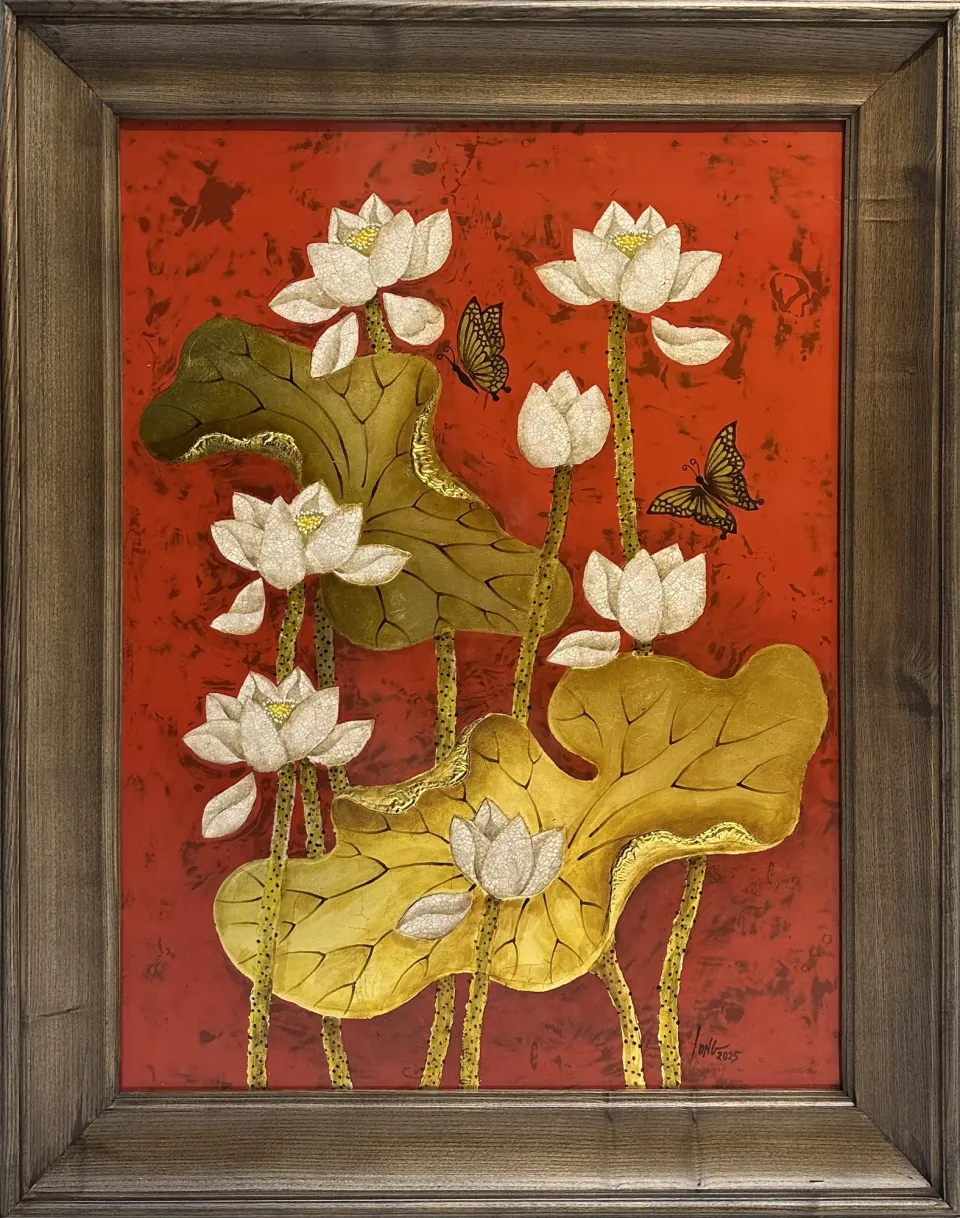
- Lobbies and Foyers: Large scale lacquer paintings work well here to create a distinctive atmosphere. For example, works by Bui Trong Du offer serene subjects like lotus flowers that reflect local heritage.
- Guest Rooms: Poetic minimalism can provide a peaceful, dreamlike landscape for relaxation. The paintings of Phạm Thanh Vân use simple elements and soft colors to capture the quiet beauty of rural Vietnam.
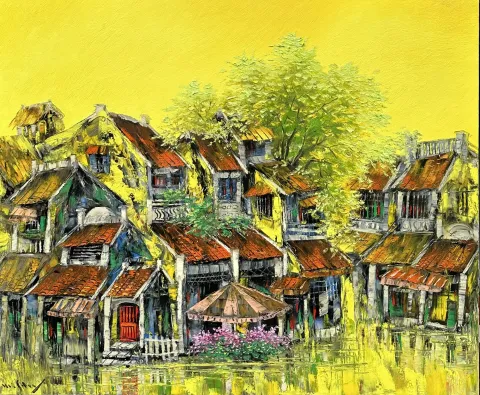
- Dining Areas: Oil on canvas pieces by Nguyen Minh Phuoc provide emotional depth and narrative interest. These works can serve as focal points that invite conversation during meals.
To ensure a cohesive look, follow these steps when selecting your collection:
- Identify the primary color palette of each room to coordinate with the artwork.
- Select materials suitable for high-traffic environments to maintain the integrity of the pieces.
- Match the scale of the painting to the wall dimensions in specific corridors or suites.
Each piece interacts differently with light and layout. You may want to ask the gallery how specific colors in a lacquer painting might change under different lighting conditions.
How to evaluate artworks for durability and scale?
When selecting art for a boutique hotel, you must consider the physical demands of high-traffic environments. Choosing pieces that withstand frequent viewing while maintaining their visual impact is essential for long-term success. You can balance these needs by looking at specific materials and dimensions provided in artist catalogues.
Consider these steps to evaluate your selection:
- Assess the medium: Traditional lacquer paintings offer a luminous texture that adds depth to large areas like resort foyers. Oil on canvas, such as works by Nguyen Minh Phuoc, provides a different tactile quality suitable for intimate rooms.
- Verify dimensions: Ensure the scale fits your wall space without overwhelming the furniture. For example, a piece measuring 100×100 cm offers a balanced presence for many standard hotel layouts.
- Check surface durability: Ask about how specific finishes react to different lighting conditions in public hallways or private suites.
Comparing two options can help clarify your requirements:
- Large-scale lacquer: These are ideal for creating a focal point in expansive lobbies, offering rich cultural depth and traditional craftsmanship.
- Minimalist oil paintings: Works by artists like Phạm Thanh Vân use soft colors and simple elements to create a peaceful atmosphere in smaller guest rooms.
Because every space has unique requirements, you should ask the gallery about specific material longevity and how different artworks interact with your existing interior lighting.
What mistakes should managers avoid during art selection?
Selecting artworks for a hospitality project requires careful planning to ensure the pieces complement your brand and endure daily use. One common pitfall is choosing works that do not align with the cultural narrative of the property. If the art feels disconnected from local heritage, it may fail to create the immersive experience you want for guests.
Poor environmental considerations can also diminish the impact of a collection. For example, incorrect lighting can cause glare on glossy surfaces or wash out the subtle colors in oil paintings. You should assess how different light sources interact with various mediums like lacquer or canvas before finalizing your selection. To avoid these issues, consider these steps:
- Verify that the color palette of the artwork coordinates with your existing interior design.
- Test the visibility of large scale pieces from multiple angles within a foyer or hallway.
- Confirm that the chosen style reflects the intended mood, such as the peaceful landscapes found in the work of Phạm Thanh Vân.
You might also consider how different themes affect guest perception. For instance, comparing the minimalist compositions of Phạm Thanh Vân with traditional lacquer motifs can help you decide which atmosphere suits your specific rooms. Ask the gallery about the typical viewing distances and lighting requirements for specific artists to ensure every piece is displayed as intended.
Related reading: Choosing Vietnamese art for hotel lobbies; The Art of Depth in Vietnamese Lacquer.
What questions to ask the gallery before purchasing?
Before finalizing your selection of contemporary Vietnamese art, a detailed conversation with the gallery ensures that every piece aligns with your hotel’s operational needs. You should verify how specific materials, such as lacquer or oil on canvas, will interact with your interior lighting and climate controls. This step helps you confirm that the artworks will maintain their visual integrity in public areas like resort foyers.
To ensure a smooth acquisition process for your hospitality project, consider these points during your meeting:
- Ask about the specific dimensions of available works to see if they fit your designated wall space.
- Inquire about the provenance and the official certificate provided for each artist’s work.
- Request details on how the gallery handles professional packaging and secure delivery to your site.
- Discuss the variety of themes, such as nature or rural landscapes, that match your brand identity.
For example, if you are interested in Poetic Vietnamese Minimalism, you might ask about pieces by Phạm Thanh Vân to see how her soft color palettes complement your room decor. You can also compare different mediums, like the textured lacquer paintings of Bui Trong Du versus oil works by Nguyen Minh Phuoc, to decide which surface suits your lobby’s atmosphere. Ask the gallery for specific details on these options.
Frequently asked questions
How can I ensure the art reflects local culture without being cliché?
You can achieve this by selecting works that offer deep cultural narratives rather than surface-level imagery. For instance, looking at the poetic minimalism of Phạm Thanh Vân allows you to showcase rural landscapes through a modern lens. This approach balances traditional heritage with contemporary aesthetics.
Are there specific artists recommended for large lobby installations?
The selection depends on your specific brand aesthetic and spatial requirements. You might consider lacquer paintings by Bui Trong Du for their distinctive depth and luminous texture. Because each piece varies in scale and theme, you should ask the gallery which works suit large foyers.
What maintenance is required for oil paintings in high humidity?
Maintenance needs depend on the specific materials and environmental conditions of your hotel rooms. Oil paintings like those by Nguyen Minh Phuoc require a stable climate to preserve their textured brushstrokes. You should ask the gallery about the specific care requirements for each work.
Can the gallery provide certificates of authenticity and provenance?
You can ask the gallery whether a certificate of authenticity is provided with each work. This documentation relates to the origin and authorship of your acquisition. You can request these documents during your consultation to ensure your records remain complete.