You can join organized group tours for art lovers in Hanoi to explore the city’s rich cultural heritage and contemporary creative scene. These collective journeys allow you to visit multiple galleries while learning about diverse Vietnamese artistic traditions from a knowledgeable perspective. Many spaces are located near historic areas like Tràng Tiền Street, making them accessible for group travel.
You will be able to compare different mediums such as lacquer painting and oil on canvas while navigating gallery etiquette. This guide helps you decide between various tour styles and provides steps to coordinate large group visits smoothly. You can also learn how to identify original artworks versus mass-produced items in local shops.
What are organized art gallery circuits?
Organized art gallery circuits provide a structured way to explore the artistic landscape of Hanoi without navigating the city alone. These tours often group multiple stops into a single itinerary, allowing you to see how different styles coexist in one area. You can move between spaces that showcase traditional lacquer paintings and modern oil on canvas works.
Joining a circuit helps you distinguish between commercial art shops and professional galleries. While the Old Quarter has many shops selling mass-produced items, a curated tour focuses on original pieces with artistic integrity. For example, a group might visit several locations to compare different techniques used by local masters. You could observe how specific mediums like lacquer interact with light or learn about the role of gold leaf in lacquer art during a guided stop.
To make the most of an organized circuit, consider these steps for your group:
- Identify if the tour includes transportation between sites located on historic streets like Tràng Tiền Street.
- Confirm if the guide has specific knowledge regarding Vietnamese artistic traditions and local history.
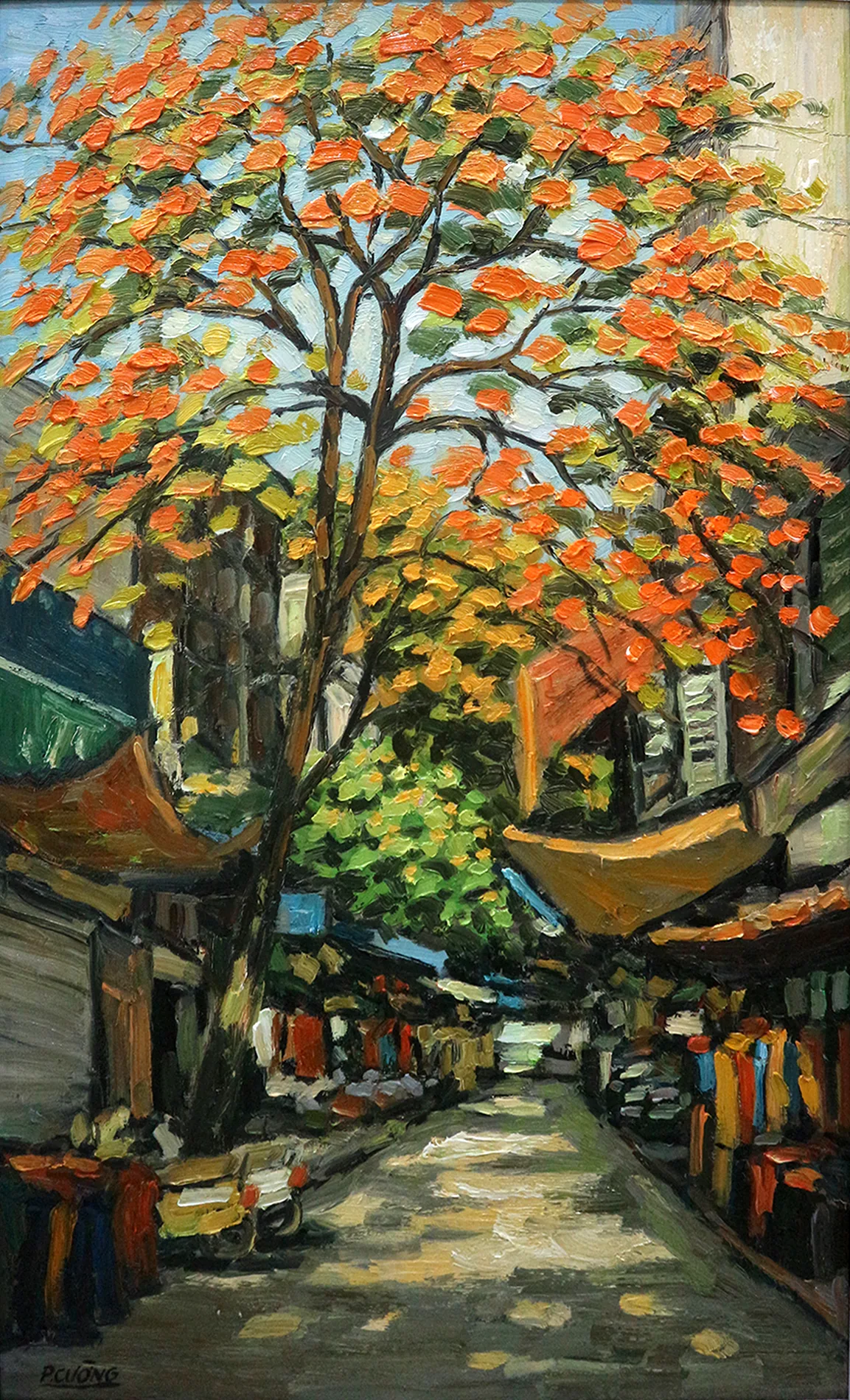
- Ask the gallery if they can provide a guided walkthrough of their collection, such as works by Pham Cuong.
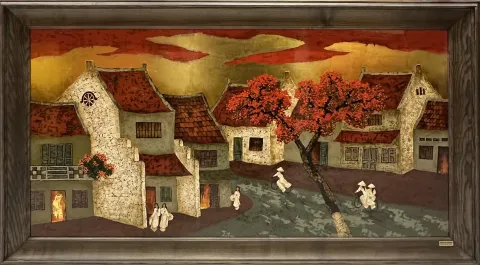
You might choose between a shared group tour for social interaction or a private circuit for a slower pace. A private option allows you to spend more time examining specific details on pieces like Hanoi old street I. To decide which fits your needs, ask the gallery about their availability for group visits and any specific themes they highlight during tours.
If you are planning a trip, check the Time of day to visit art galleries to find the quietest periods for your group. You can also read more about navigating local markets in Hanoi Art Gallery for Tourists to understand the difference between shops and galleries.
Choosing between contemporary and traditional styles
Deciding on an artistic focus helps your group experience the specific nuances of Vietnamese culture. You might prefer a tour that highlights historical techniques or one that explores modern expressions.
Traditional art often centers on lacquer painting, a medium involving many layers of resin to create depth. For instance, you can observe how artists like Dinh Quan use this method in works such as The Lady with lotus 2. This style reflects long-standing craftsmanship and cultural heritage.
Alternatively, contemporary styles often utilize oil on canvas to capture everyday life or abstract themes. A group might enjoy viewing the different perspectives of Pham Cuong, who captures urban scenes in works like Hanoi old street IV. Comparing these two options allows your group to see how Vietnam’s artistic identity evolves over time.
To help your group decide on a focus, consider these steps:
- Identify if your group prefers historical techniques or modern subjects.
- Determine if you want to see works in a quiet gallery setting or active artisan spaces.
- Check if the tour includes a mix of both mediums for a balanced view.
If you are unsure which style resonates more with your interests, ask the gallery about the specific themes represented by their current collection.
Comparing private guides versus shared tours
When organizing a group visit to see local art, choosing the right booking model depends on your group size and desired pace. Shared tours offer a structured way to move between locations while meeting other travelers with similar interests in Vietnamese culture.
Private guides provide a more flexible experience where you can spend extra time examining specific works or mediums. For instance, if your group wants to study the differences between lacquer paintings and oil on canvas works, a private guide can facilitate a deeper discussion at each stop. You might also choose this option to visit galleries along Tràng Tiền Street at a pace that suits your own schedule.
Consider these factors when deciding which model fits your group needs:
- Shared Tours: Often include set schedules and fixed transportation between sites, making them easier for larger groups to coordinate.
- Private Guides: Allow for customized itineraries that focus on specific artists, such as the oil paintings by Pham Cuong.
- Logistics: Ask the gallery if they recommend specific guides who specialize in art history versus general city tours.
To help you decide, consider these questions before booking:
- Does the group prefer a fixed timeline or the ability to linger at a single gallery?
- Is it important to have a dedicated expert explain the cultural layers of the capital’s art?
- Will your group require specific transportation between different historic streets and galleries?
If you are unsure which format suits the flow of your party, ask the gallery about their experience with group logistics.
Common mistakes when coordinating large group visits
Organizing a collective visit to art spaces requires careful planning to ensure the experience remains meaningful for every participant. One common mistake involves selecting venues that are not suited for larger numbers, which can lead to overcrowding and a lack of focus. You should aim for galleries that allow for a steady pace so your group can observe details like the brushwork in Hanoi old street I by Pham Cuong without feeling rushed.
Poor timing is another logistical hurdle that can disrupt your itinerary. Visiting during peak hours in the Old Quarter may result in high noise levels, making it difficult to discuss artistic techniques or cultural history. To avoid these issues, consider these steps for a smoother group experience:
- Verify if the gallery space can accommodate your specific group size before booking.
- Schedule visits during weekday mornings to enjoy a quieter atmosphere and better lighting.
- Confirm whether the venue provides a dedicated area for small group discussions.
You might also find that some shops in tourist areas offer many mass-produced items rather than original works. Distinguishing between these is vital when traveling with a group interested in fine art. To help your group see original pieces, you can ask the gallery about their curation process and how they select artists who reflect Vietnam’s cultural depth.
Questions to ask galleries before booking your tour
When organizing a group visit, gathering specific details from gallery owners helps ensure the experience aligns with your expectations. Because each space has unique rules and capacities, you should clarify how they accommodate larger parties. This preparation prevents logistical issues during your walk through historic streets like Tràng Tiền Street.
Consider asking these questions to help coordinate your itinerary:
- Does the gallery have a maximum capacity for groups visiting at one time?
- Are there specific hours when the space is quieter for better viewing of works like Hanoi old street III?
- Can we arrange a dedicated time to discuss the differences between lacquer paintings and oil on canvas?
- Is there a designated area where our group can gather to discuss the collection after viewing?
- Does the gallery provide information on the specific artistic traditions reflected in the current exhibition?
You might also want to ask about the proximity of the location to other landmarks to plan your transportation. Understanding these details helps you move smoothly between viewing contemporary expression and cultural history. If you have specific requirements for a large group, always contact the gallery directly to confirm their policies.
Frequently asked questions
Are there guided tours specifically for art history?
You can arrange visits that focus on how cultural layers in the capital influence local artistic expression. To find a specific historical narrative, ask the gallery about their curated selections.
Can I join a group to visit multiple galleries in one day?
Many visitors choose to explore several spaces located along historic streets like Tràng Tiền Street. You can coordinate a route that moves from the Old Quarter toward the French Quarter. This allows your group to see diverse styles and different artistic mediums in one trip.
Is it possible to book a private pottery class for a large group?
Arranging hands-on experiences for larger groups depends on the specific artisan workshop or studio you choose to visit. Some locations offer dedicated spaces for collective learning of traditional crafts. You should contact individual workshops directly to confirm their capacity for your specific group size.
Do these tours include transportation between sites?
Whether transportation is included depends entirely on the specific tour operator or private guide you hire for your journey. Some organized circuits provide vehicles, while others expect you to navigate between nearby streets independently. You should ask the gallery or tour provider about their specific logistics.