The traditional materials used in Vietnamese lacquer art define the unique texture and luminous depth found in each piece. Artists use natural resin tapped from the sơn tree, which grows mainly in Phú Thọ, to build these works on a wooden board. By understanding these organic components, you can appreciate how centuries of craft evolved into a sophisticated fine art form.
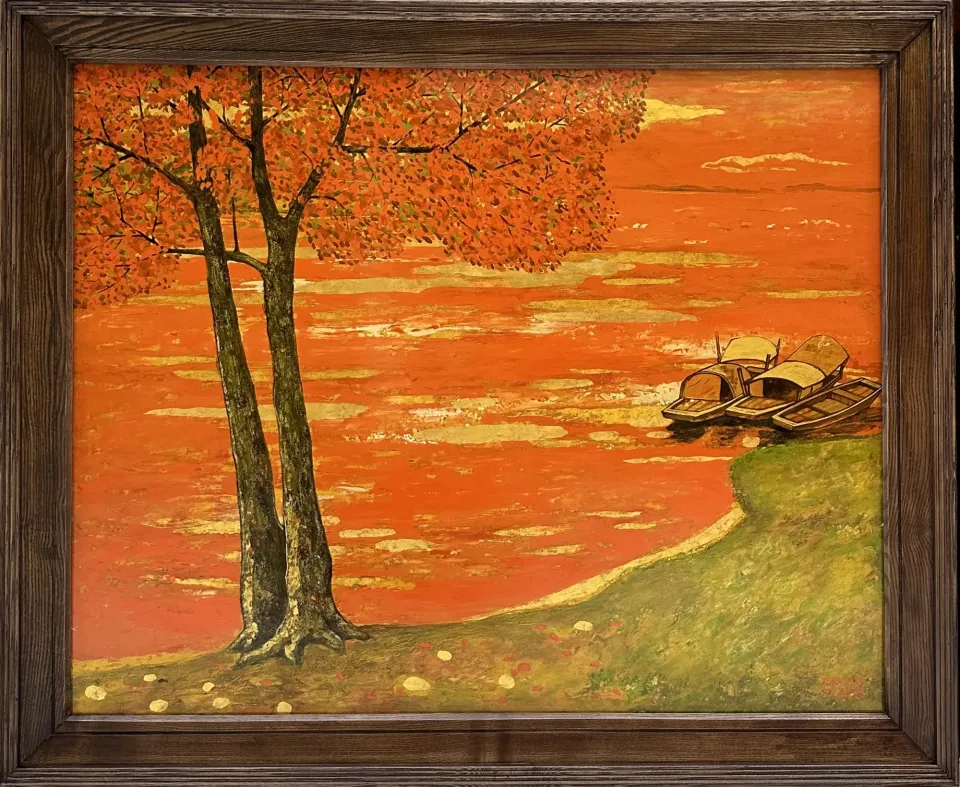
You will be able to check how many layers are applied to a single painting and identify the role of natural resins. You can also decide which artistic themes suit your collection by comparing historical milestones with contemporary expressions. Ask the gallery about specific material sourcing for any work you find appealing.
What defines traditional materials used in Vietnamese lacquer art?
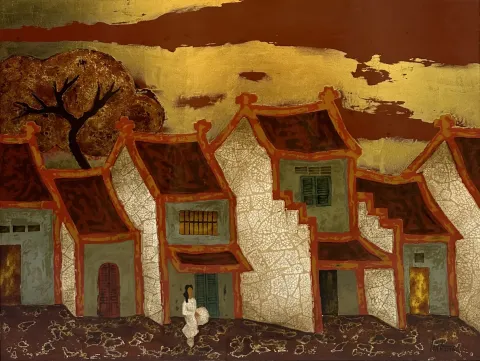
Traditional Vietnamese lacquer art, known as sơn mài, relies on specific natural materials that distinguish it from modern synthetic paints. The foundation of each piece is a wooden board where artists build up layers of resin over several months. This slow accumulation creates the luminous texture and distinctive depth found in The Art of Depth in Vietnamese Lacquer paintings.
You can identify the authenticity of these materials by observing how they interact with light and time. Unlike standard paints that dry on the surface, natural resin undergoes a complex curing process to form a durable finish. Artists apply ten to twenty layers onto the substrate to achieve the desired nuance.
To understand how these materials shape a finished work like Vietnamese village by Dinh Viet, consider these points:
- Natural Resin: Sourced from the sơn tree to provide the base for all color and texture.
- Wooden Substrates: Serve as the sturdy backing for the repetitive layering of resin.
- Layering Technique: Each layer requires time to set before the next is applied, building physical depth.
If you wish to learn more about how these materials evoke specific cultural themes, you can explore the Meaning of motifs in Vietnamese lacquer art. You may also ask the gallery which minerals or plant-based colors were utilized for a particular piece.
Which wood types serve as the primary base for these paintings?
A high-quality lacquer painting requires a stable and durable foundation to support many layers of resin. Artists typically use a wooden board as the primary substrate for this traditional medium. The choice of wood is important because it must withstand the long curing process without warping or cracking.
In Vietnamese sơn mài, selecting the right wood ensures that the final piece maintains its structural integrity over time. You can identify quality in these works by observing how smoothly the surface reflects light across the entire board. Because different woods have unique grain patterns and densities, you may want to ask the gallery about the specific type of timber used for a particular work.
To understand the requirements for a high-quality substrate, consider these factors:
- Check if the wood is seasoned to prevent movement after the resin is applied.
- Observe the smoothness of the base surface before the layering begins.
- Ask how the artist prepares the wooden board to ensure it can hold ten to twenty layers of resin.
For example, a work like Vietnamese village by Dinh Viet relies on these structural principles to achieve its depth. You can compare different pieces to see how a sturdy base allows for consistent layering across large dimensions.
How do natural resins and mineral pigments create unique textures?
The unique texture of sơn mài arises from the interaction between organic resins and mineral elements. This resin serves as the core medium, providing a base that allows for a rich accumulation of color and light over several months.
Distinguishing Organic Materials
To understand the physical depth of these works, you can distinguish between different organic components used by the artist:
- Natural Resin: The primary substance applied in many layers to create a luminous finish.
- Shell and Gold Leaf: These are often integrated into the resin to add reflective qualities or intricate details.
- Mineral Pigments: Earthy tones derived from natural sources provide the underlying color palette for the painting.
You can observe how these materials work together in pieces like Vietnamese village by Dinh Viet. The artist builds ten to twenty layers of resin on a wooden board, creating a surface that glows from within. Because each piece is unique, the specific way light reflects off the shell or gold depends on the individual application.
To learn more about the specific materials used in a particular work, you may want to ask the gallery:
- Which types of mineral pigments were used to achieve these specific earthy tones?
- Does this piece incorporate shell or gold leaf within the resin layers?
What are the differences between lacquer and mother of pearl inlay?
When selecting a piece for your collection, you may find yourself choosing between the luminous depth of sơn mài and the iridescent surface of mother-of-pearl inlay. While both techniques are deeply rooted in Vietnamese heritage, they offer distinct visual experiences based on how they interact with light.
Lacquer painting relies on many layers of natural resin applied onto a wooden board. This process creates a smooth, glowing finish where colors appear to emerge from within the surface. In contrast, mother-of-pearl inlay involves embedding pieces of polished shell into the substrate. You can see these two styles side by side to compare their textures and reflective qualities.
- Observe the light reflection on a lacquer piece like Vietnamese village by Dinh Viet to see how the resin holds deep tones.
- Compare that with an inlay piece to notice how individual shell fragments create sharp, multi-colored highlights.
- Consider whether you prefer the seamless fluidity of layered paint or the tactile, mosaic feel of inlaid shells.
The choice often depends on the specific atmosphere you wish to create in your space. To help you decide which technique suits your preference, you might ask the gallery about the typical weight of an inlay piece compared to a lacquer painting.
How to identify high quality craftsmanship in raw material application?
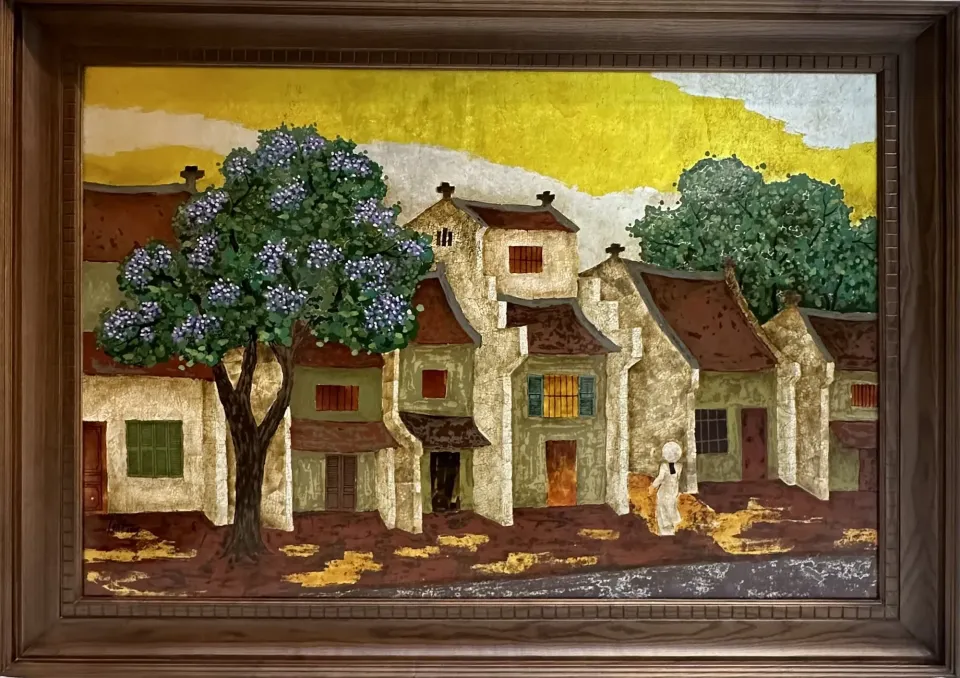
Evaluating a piece for authenticity requires looking at how the artist manages natural materials over time. Because sơn mài involves applying many layers of resin onto a wooden board, you can observe the physical depth by watching how light reflects off the surface. A well-crafted work should show a rich accumulation of color that appears to glow from within rather than sitting on top of the wood.
You can distinguish high quality craftsmanship by observing these specific technical details:
- Check for smooth transitions between colors, which indicates successful repetitive sanding and polishing.
- Look for a luminous texture where the resin has cured evenly across the entire surface area.
- Observe the thickness of the layers to ensure the work feels substantial yet retains its delicate nuance.
To better understand the technical skill involved in a specific piece, you might consider these steps:
- Examine the painting from different angles to see how shadows and highlights shift across the resin.
- Compare the surface of Vietnamese village by Dinh Viet to other works to note the unique depth achieved through layering.
- Ask the gallery how many layers the artist applied to this particular work.
The final appearance depends on various environmental factors during the curing process. If you have questions about how these materials behave in your specific home lighting, please ask the gallery.
Related reading: How to Buy Vietnamese Lacquer Art.
What questions should you ask a gallery about material sourcing?
Understanding the physical components of sơn mài helps you appreciate the labor required to produce each piece. Because these works rely on organic materials like resin from the sơn tree, their properties can vary based on origin and age. You may want to know how specific environmental factors influenced the curing process for a particular work.
When speaking with an advisor about a selection such as Vietnamese village by Dinh Viet, consider these questions to clarify the technical details:
- What type of wood was used as the base substrate for this specific painting?
- How many layers of natural resin were applied to achieve this level of depth?
- Were traditional mineral pigments or organic materials used to create these colors?
- How does the natural light in my space affect the way this resin reflects color?
Asking these questions allows you to see how the artist balanced traditional techniques with modern expression. You can also learn more about lacquer paintings and their history by exploring different styles.
Frequently asked questions
How many layers of lacquer are typically applied to one painting?
The artist builds up a lacquer painting in thin, successive layers on a wooden board. The number of layers depends on the specific complexity and desired depth of the individual piece. You should ask the gallery for details regarding the construction of a particular work.
Does the type of wood base affect the final price of the art?
The choice of substrate provides the necessary stability for the resin to adhere correctly over time. While the foundation is vital for durability, factors like artist reputation and technique also influence the value. Please contact the gallery to discuss how specific materials impact a work.
Can I tell if synthetic paints were used instead of traditional pigments?
Traditional sơn mài relies on natural resin and mineral elements to create its characteristic luminous texture. You can often distinguish these from synthetic paints by observing how light reflects off the surface. For a more detailed technical comparison, you may ask the gallery about specific pigment types.
How long does it take for natural resin to fully cure and harden?
Because this depends on environmental factors and the artist’s specific layering technique, the timeline varies by work. You can ask the gallery about the production period for any piece.