
Buying Vietnamese art for interior design projects requires a careful balance between cultural depth and the specific aesthetic goals of your space. You can transform functional areas like hotel lobbies or private suites into memorable experiences by selecting pieces that reflect local heritage. This approach helps create a distinctive atmosphere for guests or residents.
This guide explains how to coordinate colors with existing interiors and select materials suitable for high-traffic environments. It also covers how to decide on specific themes, such as nature or traditional motifs, to enhance your design. It also covers checking official documentation.
What defines suitable Vietnamese art for commercial spaces?
Choosing Vietnamese art for commercial projects requires a deep understanding of traditional mediums and contemporary styles. For hospitality environments like hotels or resorts, the goal is to balance cultural depth with a specific brand aesthetic. You can transform functional areas into memorable experiences by choosing pieces that reflect local heritage while complementing your interior design.
When planning large-scale projects, consider these core artistic elements:
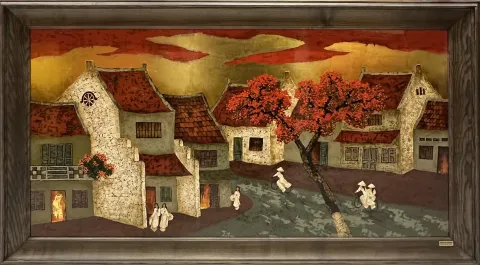
- Lacquer Paintings: These works offer unique textures and depth. A piece like Vietnamese village by Dinh Viet demonstrates how traditional lacquer can create a sophisticated focal point in a lobby or suite.
- Oil on Canvas: This medium allows for expressive brushwork and vibrant colors. You might choose large-scale works from artists like Dang Phuong Viet to anchor a room’s visual theme.
- Thematic Consistency: Decide on specific motifs, such as nature or traditional patterns, to enhance the guest experience across different areas.
To ensure your selection aligns with your project goals, you can follow these steps:
- Identify the primary function of each space, such as a high-traffic corridor versus a private room.
- Coordinate colors and materials to match existing furniture and flooring.
- Verify that every work includes an official Certificate of Authenticity from the artist and gallery.
You may want to ask the gallery about specific material durability for high-traffic environments or request a video call to see the surface texture of a lacquer painting. For more detailed guidance, you can read Vietnamese Art for Hotel and Resort Interiors to see how other designers coordinate these elements.
You can also explore Choosing Vietnamese art for hotel lobbies to learn about balancing local heritage with brand aesthetics. If you have questions about shipping or purchasing, please check the FAQ page.
How to match specific artworks with room functionality
Appropriate pieces for a hospitality project balance cultural depth with your brand aesthetic, and the right choice differs from one part of a building to another.
When planning an interior design project, consider how different rooms serve unique purposes. High-traffic areas like lobbies often benefit from large scale works that capture attention immediately. For instance, you might choose a lacquer painting to ground a wide corridor or a spacious reception area. These pieces can act as focal points that define the movement of people through the space.
Private rooms and suites offer an opportunity for more intimate storytelling. You may prefer smaller works that reflect specific themes to improve the guest experience. Consider these steps when selecting art for different zones:
- Identify the primary function of each room, such as lounging, dining, or transit.
- Coordinate colors with existing interior materials and furniture styles.
- Select mediums suitable for high-traffic environments based on durability.
- Group smaller works together to create a cohesive narrative in hallways.
A worked example of this coordination is seen in the use of Vietnamese village by Dinh Viet. Because it features specific dimensions and a traditional lacquer medium, it provides a sense of place that works well in structured environments. You should ask the gallery about how specific themes might align with your project goals.
If you are unsure which style fits your vision, How to verify gallery reputation for online information can help you find reliable sources. You may also ask the gallery which artworks are best suited for specific lighting conditions in your rooms.
Ways to balance cultural heritage with modern aesthetics
Integrating traditional Vietnamese art into contemporary interiors requires a thoughtful approach to color and scale. For instance, consider how the deep tones of lacquer paintings interact with minimalist furniture or neutral walls.
When planning your project, you might follow these steps to ensure stylistic harmony:
- Identify the primary color palette of your interior space to coordinate with artwork hues.
- Select specific themes such as nature or traditional motifs to improve the guest experience.
- Choose mediums that suit high-traffic environments while maintaining their cultural depth.
You can see how this balance works in a professional setting by looking at hotels such as the Park Hyatt Saigon or the InterContinental Hanoi Landmark 72. These spaces use original paintings to transform functional areas into memorable experiences. If you want to explore specific options, ask the gallery about coordinating colors with your existing interior designs.
Consider these questions for your project:
- How do different Vietnamese art mediums react to modern lighting?
- Which themes align with my current furniture style?
- Can we select a series of works that maintain a consistent visual narrative?
Common mistakes when sourcing international art for projects
Procuring original works from another country involves specific logistical hurdles that can impact your project timeline. One common error is overlooking the unique material properties of traditional mediums during the selection phase. For example, a lacquer painting like Vietnamese village by Dinh Viet has distinct surface qualities that require careful consideration for high-traffic environments.
You should avoid these pitfalls by following a structured procurement process:
- Verify the authenticity of every piece with an official Certificate of Authenticity signed by the artist.
- Request specific photographs or a short video call to inspect the texture and surface of the work.
- Confirm that the gallery provides professional packaging and comprehensive insurance for international transit.
- Check if your destination country requires specific customs documentation to avoid delays at the port.
Another mistake involves failing to coordinate the scale of the artwork with the architectural dimensions of the space. You can compare two different approaches to ensure a cohesive look:
- Selecting multiple smaller works, such as those by Bang Sy Truc, to create a gallery wall in a corridor.
- Commissioning or sourcing one large-scale oil on canvas from Nguyen Minh Phuoc to serve as a focal point in a lobby.
To ensure your project runs smoothly, ask the gallery what specific documentation they provide for international customs and how they handle insured delivery for large pieces.
Questions to ask a gallery before placing a large order
When coordinating art for large-scale interior design projects, you must gather specific details to ensure works align with your spatial requirements. Because every piece has unique physical properties and logistical needs, asking targeted questions helps manage expectations regarding delivery and installation. You should clarify how the gallery handles high-volume orders to maintain consistency across different rooms or corridors.
Consider these specific points when discussing a project with a professional representative:
- What are the precise dimensions of available works to ensure they fit your wall measurements?
- Can you provide additional photographs or a short video call to view the surface texture of lacquer paintings?
- Do the artworks come with an official Certificate of Authenticity signed by both the artist and the gallery?
- What specific packaging methods are used for professional shipping to protect the pieces during transit?
For instance, if you are interested in a work like Vietnamese village by Dinh Viet, you might ask about its durability in high-traffic areas. You should also inquire about the customs documentation required for importing original works into your specific country. These details help you coordinate with contractors and ensure the art arrives safely for your project.
Frequently asked questions
How do I ensure the art survives high humidity environments?
The durability of a painting in humid conditions depends on the specific medium and construction used. For example, lacquer paintings have unique properties that may react differently than oil on canvas. You should ask the gallery which materials are most suitable for your local climate.
Can I commission a custom piece for specific wall dimensions?
Many artists can create original works tailored to your architectural requirements or color palette. This allows you to integrate cultural heritage into modern designs with precise scale. Please contact the gallery to discuss custom options and artist availability for your project.
What documentation is needed for international shipping?
Importing art requires specific paperwork to meet the regulatory standards of your destination country. You must coordinate certificates and declarations to avoid delays at the port of entry. Ask the gallery about the customs documentation required for bringing original Vietnamese works into your region.
How can I verify the authenticity of a local artist’s work?
This document accompanies the original work. You may also request additional photographs or videos to inspect the surface details before purchasing.