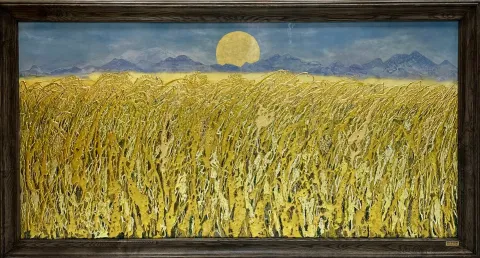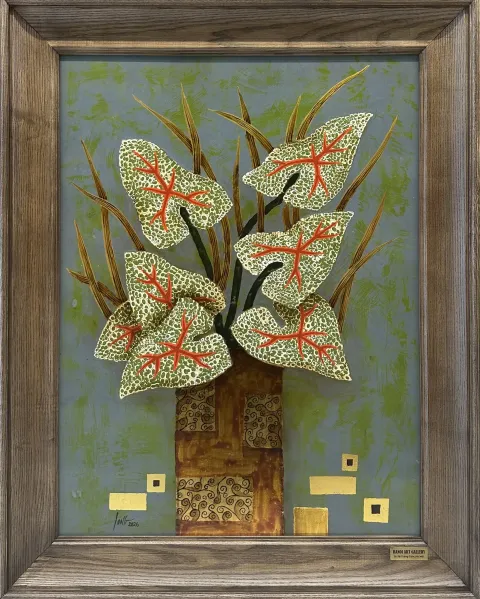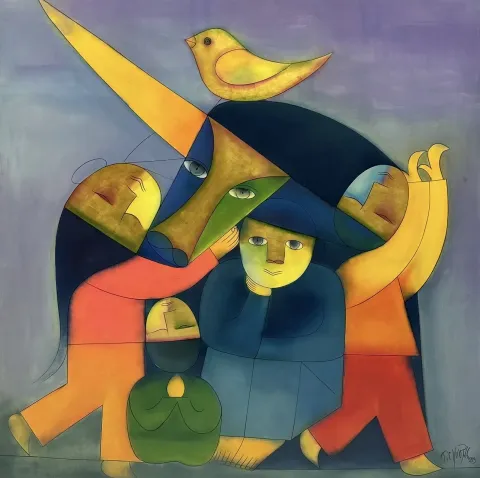
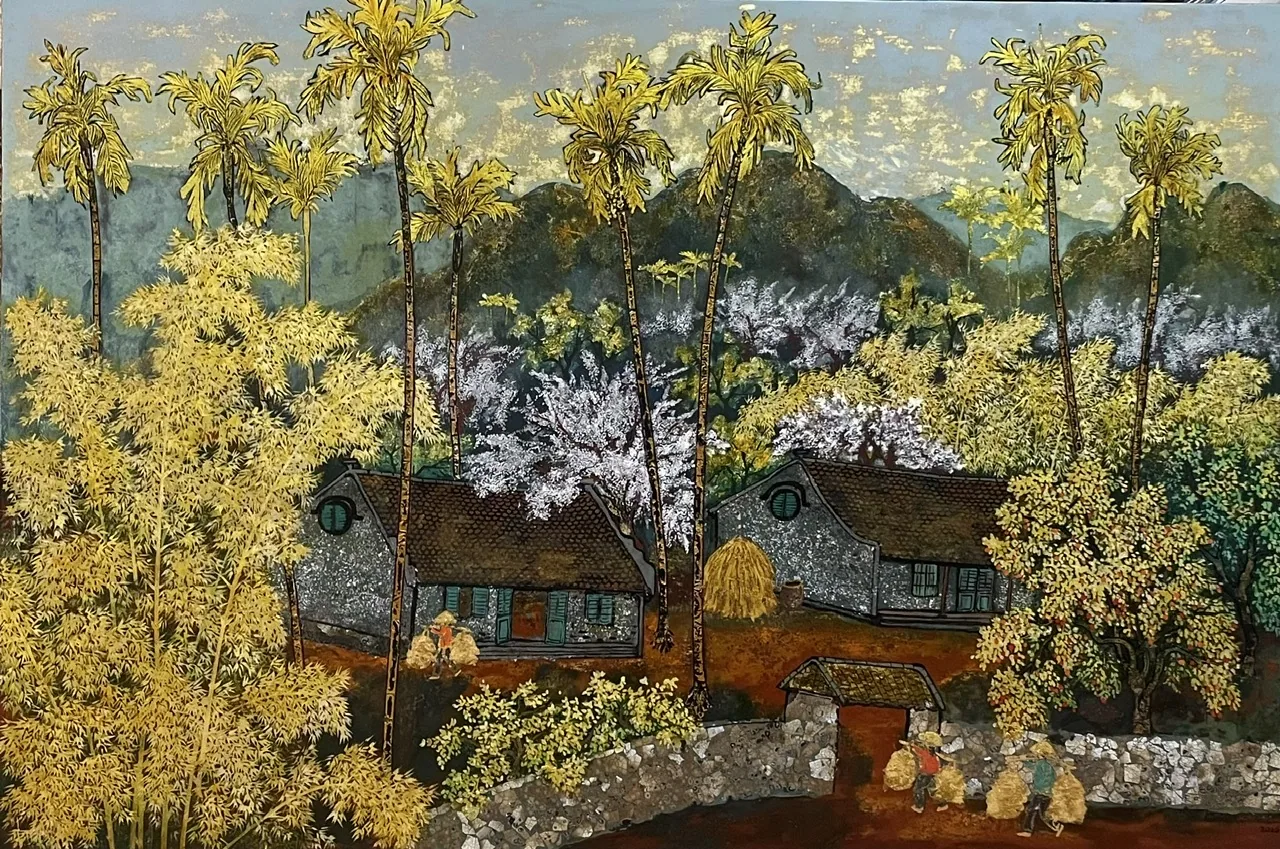
Understanding how a painting is packed and shipped internationally involves knowing the specific methods used to protect different mediums during long journeys. Each type of artwork requires unique materials and structural support to ensure it arrives in its original condition. You can expect professional handling tailored to the physical needs of your selected piece.
You will learn how lacquer paintings are secured in timber frames and double-wall cartons compared to oil works. This information helps you decide how your own work should travel. You can also check specific logistics steps for various sizes.
The short answer, and what it depends on
Transporting artwork across borders depends on the specific medium and dimensions of each piece. Because different materials have unique structural needs, a single approach does not apply to every painting.
For example, oil paintings by artists like Nguyen Minh Phuoc may be handled differently depending on their size. You can choose between two primary methods for these works:
- Small and medium oil works can travel rolled within a protective tube.
- Larger works or pieces you wish to hang immediately are shipped stretched and crated.
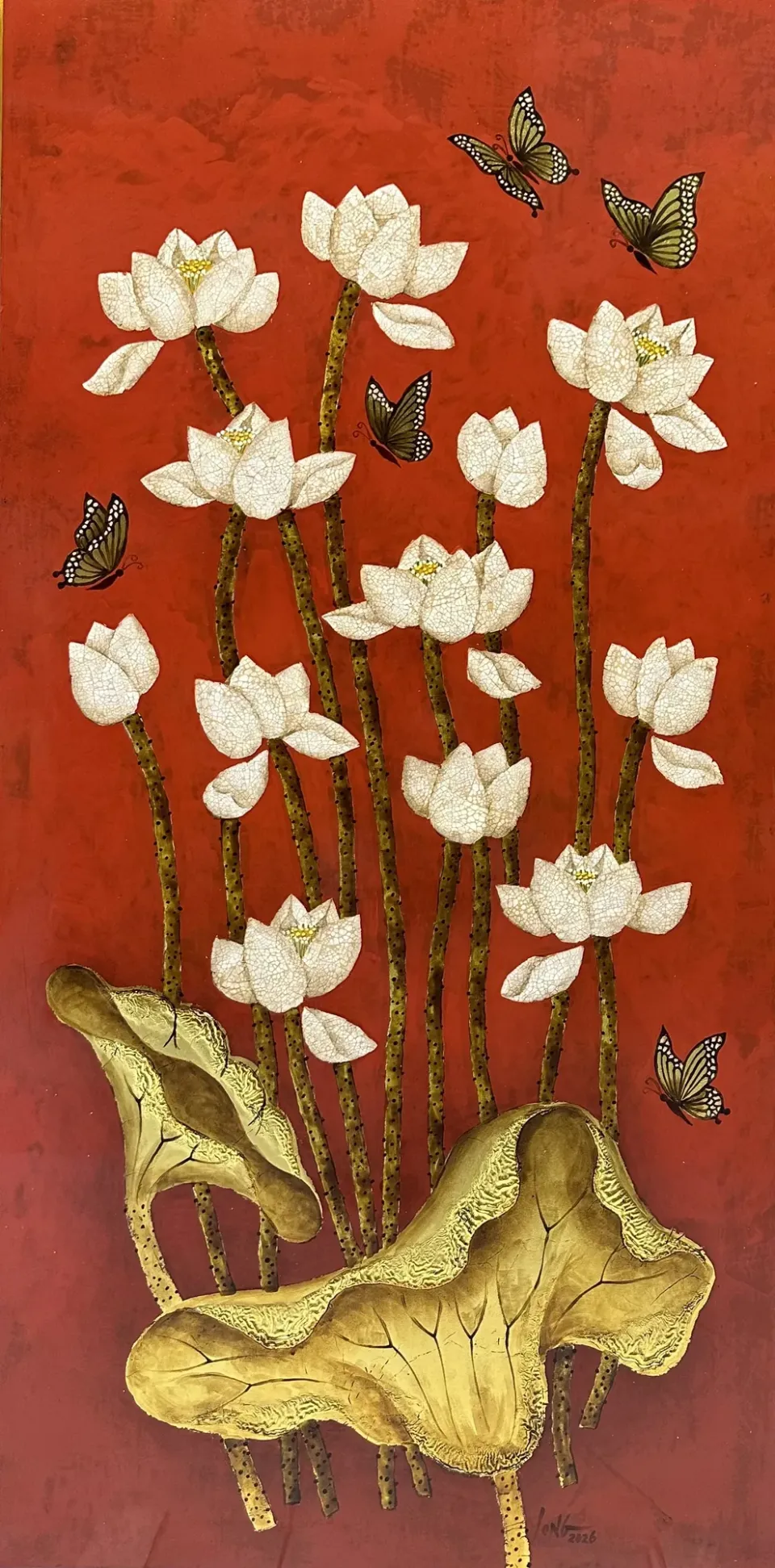
Lacquer paintings require more rigid protection due to their construction. To keep the surface safe, these works are wrapped in soft materials before being fitted into a timber frame and placed inside a double-wall carton. You can learn about the complexity of this medium by reading How a Vietnamese Lacquer Painting is Made.
Because every shipment is unique, the exact packing materials and logistics vary based on your selection. You should ask the gallery for an estimate of cost and timing before you buy to understand how your chosen work will be handled.
The main factors, one by one
Specific techniques ensure each unique work arrives safely at your home. Different mediums require distinct handling methods to protect the integrity of the artwork during transit.
Consider these options for moving art across borders:
- Oil Paintings: Small and medium works can travel rolled in a tube. For larger pieces or those you want ready to hang, they are shipped stretched and crated.
- Lacquer Paintings: Because of their delicate surfaces, the panel is fitted into a timber frame and boxed in double-wall carton. The surface is also protected with soft wrapping.
Choosing between rolled or stretched shipping for an oil painting changes how you display the work upon arrival. You might ask the gallery which method is better suited for your specific wall space.
To prepare for your shipment, follow these steps:
- Confirm the dimensions of your chosen work to determine the crating requirements.
- Ask what the shipping fee will be and how long delivery takes.
- Verify that the gallery provides full insurance for all international deliveries from Hanoi.
Each shipment is professionally packed to handle the journey across borders. You can view works like The boat and sea to see how different styles are handled.
How to check before you decide
Before you finalize your purchase, it is helpful to review the specific logistics for different mediums.
You can use this checklist to verify the details of a specific piece before you buy:
- Identify the medium: Confirm if it is an oil on canvas or a lacquer painting.
- Check the dimensions: Larger works may require different crating than smaller pieces.
- Select your preference: Decide if you want a work to arrive stretched or rolled in a tube.
- Request a quote: Ask the gallery to put the price and schedule in writing.
For example, if you choose an oil painting by Thanh Chuong, the shipping method depends on its size. A small work might travel rolled in a tube, while a larger piece remains stretched and crated to protect it during transit.
Lacquer paintings require specialized care because their surfaces are delicate. Because every shipment is fully insured, you can feel more confident about the journey from Hanoi to your home.
If you have questions about specific materials or custom requirements, ask the gallery for a detailed breakdown of the packing process for your chosen artwork.
Common mistakes and how to avoid them
When arranging international transport for fine art, small oversights in planning can lead to complications. You might encounter issues if the packing method does not align with the specific requirements of the medium or its size.
To ensure your artwork arrives safely, consider these common pitfalls and how to manage them:
- Choosing incorrect packaging for oil paintings: Some buyers assume all canvases must be shipped stretched. However, small and medium works can travel rolled in a tube. If you are also weighing a lacquer piece, learn how to recognise a genuine lacquer painting first. This is often more efficient for transport, but you must decide if you prefer it ready to hang upon arrival.
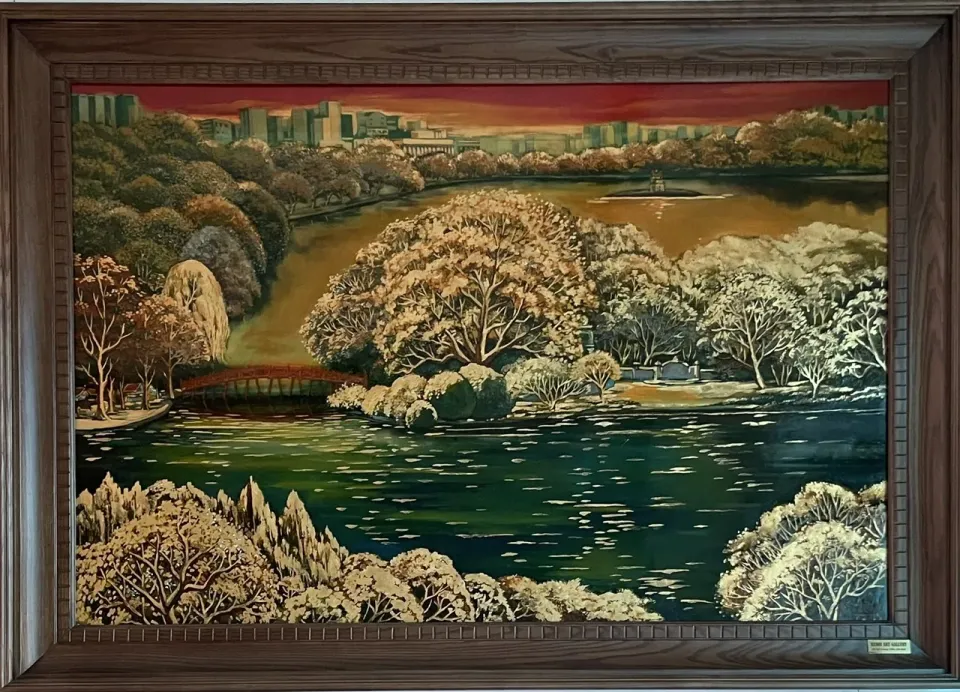
- Underestimating the protection needed for lacquer: Lacquer surfaces are delicate and require soft wrapping before being fitted into a timber frame. Shipping these without a double-wall carton can risk surface damage during transit.
- Ignoring insurance details: Never assume standard shipping covers the full value of your acquisition. You should always confirm that every shipment is fully insured before it leaves Hanoi.
To avoid these errors, you can follow these steps:
- Ask for a written quote of costs and delivery time so the logistics are clear.
- Confirm whether larger works will be crated or shipped stretched based on your specific needs.
If you have questions about a particular piece, ask the gallery: “What is the specific packing protocol for this work’s dimensions and material?”
What to ask the gallery before you buy
Before you finalize your purchase of a work by artists such as Nguyen Minh Phuoc or Thanh Chuong, it is helpful to discuss the logistical details. Understanding how your specific piece will travel helps ensure its condition remains unchanged from the studio to your home.
You can use these questions to clarify the process for international shipping:
- What is the specific packing method for this medium, such as a timber frame and double-wall carton for lacquer?
- Will my oil painting travel rolled, or stretched on its frame?
- How much will shipping cost, and when will the painting arrive?
- Is the shipment fully insured during transit from Hanoi to my specific location?
This choice depends on your display preferences and how quickly you wish to hang the work. If you are unsure about which method suits your space, ask the gallery for a comparison of both options.
Frequently asked questions
What should I check first?
You should begin by reviewing the specific packing methods for different mediums.
Can I ask for more information about a work?
This ensures you understand the logistics for works by artists like Nguyen Minh Phuoc or Thanh Chuong.
What if I am still unsure?
If you have questions about how a specific piece will be handled, please ask the gallery. The final shipping requirements depend on the size and material of the individual artwork in your selection.
Photographs taken at packing time can also help. Keep them with your paperwork so that you can compare the condition of the work on arrival with how it left Hanoi, and report any concern to the carrier and the gallery promptly.
Where can I see examples?
You can explore various works to understand different styles and dimensions. Viewing pieces by Thanh Chuong helps illustrate how different lacquer techniques appear before you decide on a specific acquisition for your home.