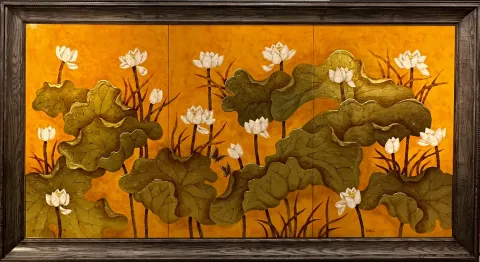
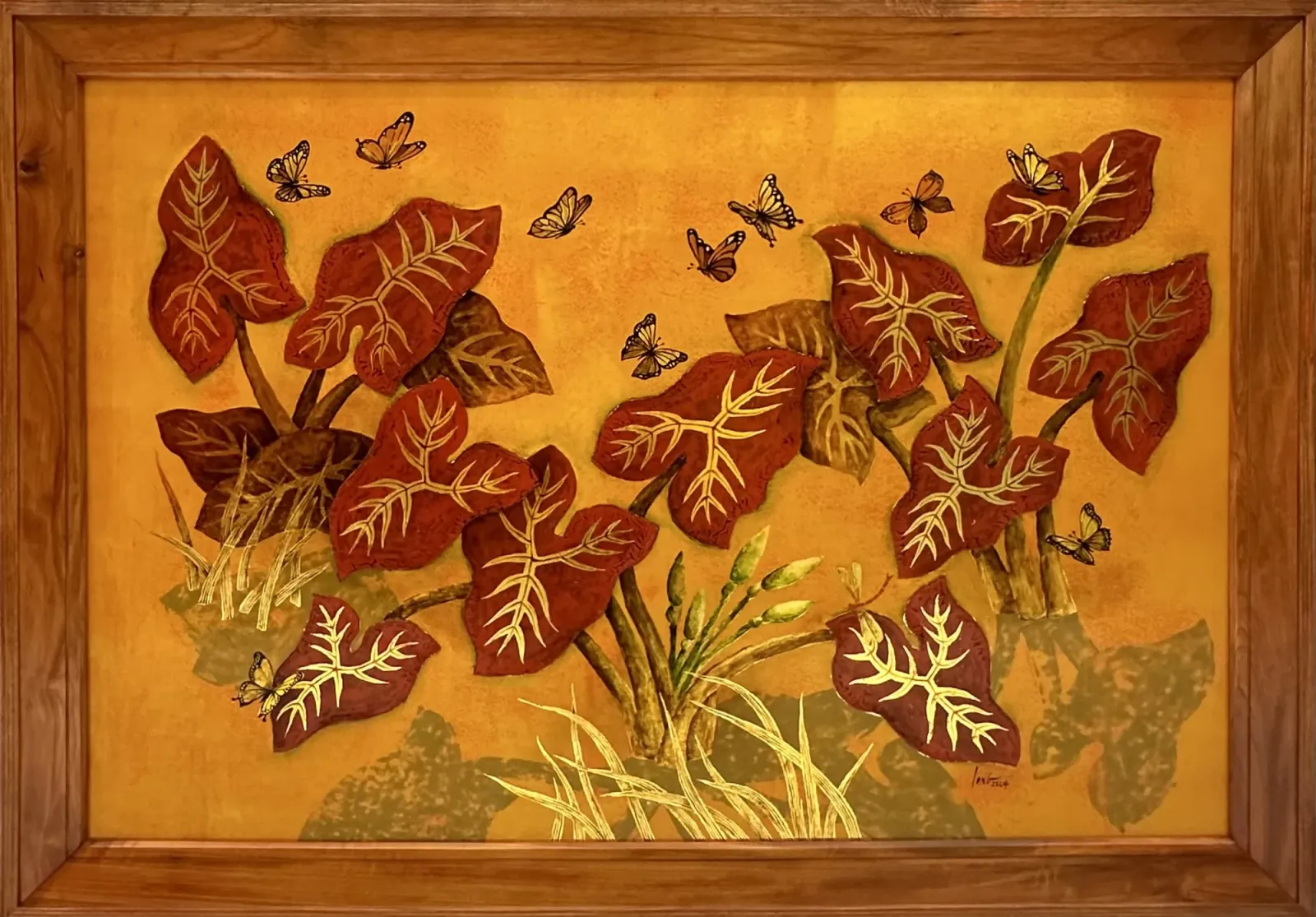
Determining how to repair scratches on lacquer paintings requires a careful approach because these works are built from many layers of natural resin. Because the medium involves repetitive sanding and polishing, even minor surface damage can change how the piece looks. You should always assess if the mark is only on the top finish or deeper within the material.

You will learn to identify different types of minor surface damage and evaluate which areas are safe for home maintenance. This information helps you decide when a small fix is possible and when professional help is necessary. You can also find specific questions to ask about your unique piece.
What defines a minor surface scratch on lacquer?
Understanding the nature of damage to sơn mài is important for maintaining the integrity of your collection. You should first determine if the mark is a superficial scuff or a deep crack that reaches the underlying wooden board.
Minor surface scratches may appear as dull lines on the polished finish. These often occur from dust particles moving across the surface or slight friction during cleaning. If the scratch does not feel indented when you run a finger over it, it might be a superficial issue. However, lacquer is a complex medium where artists apply repetitive sanding and polishing to achieve its unique depth.
To decide if you can handle a repair yourself or need professional help, consider these points:
- Does the scratch penetrate through the top layer of resin?
- Is there any flaking or lifting of the paint near the mark?
- Can you see the wood grain or underlying colors through the damage?
Attempting to fix a deep crack without the correct materials may cause permanent harm. For instance, if you have a work like Vietnamese village by Dinh Viet, any intervention must respect the specific resin used by the artist. If you are unsure about the depth of a mark, ask the gallery for more photographs or a short video call to see the surface as it really is.
You can also learn more about the complex construction of these pieces in How a Vietnamese Lacquer Painting is Made to understand why professional care is often necessary.
If you are new to collecting, you might find it helpful to review How to Buy Vietnamese Lacquer Art for general maintenance tips. You may also want to ask the gallery: “What specific cleaning materials are safe for the resin used in this particular artist’s work?”
Factors that determine the right repair method
The specific depth and complexity of the damage dictate whether a simple surface touch-up is sufficient or if deeper restoration is necessary.
Several key factors influence how a professional should approach your piece:
- Layering Depth: Artists build these paintings by applying many layers onto a wooden board. A scratch that penetrates through several levels of resin requires more intensive work than a surface mark.
- Artist Style: Different artists achieve unique reflections and textures. For example, the luminous finish in works by Dinh Viet might require different polishing techniques than those used by Duong Ai Nhi.
- Age and Material Stability: The age of the resin affects its flexibility. Older pieces may react differently to new materials added during a repair process.
Because each painting is unique, you should consider these points when assessing damage:
- Identify if the scratch has broken the surface seal or reached the underlying wood.
- Observe how light hits the area to see if the reflection remains consistent with the rest of the work.
- Compare the texture of the damaged area to similar sections on the same painting.
If you are unsure about the extent of the damage, ask the gallery what specific restoration steps are recommended for your individual piece.
How to assess damage before attempting any fix
Before you attempt to address any surface marks, it is vital to evaluate the extent of the damage. Because lacquer paintings are constructed with many layers of natural resin, a scratch can sometimes penetrate deep into the underlying structure. Assessing whether a DIY approach is suitable depends entirely on how much of the original finish remains intact.
Assessing the severity of the mark
Use these steps to determine if you should seek professional help for your artwork:
- Inspect the depth: Use a soft light to see if the scratch sits only on the top surface or reaches the wood.
- Check for flaking: Observe if any small pieces of the resin are lifting away from the board.
- Evaluate the color: Note if the underlying layers show different colors or textures through the gap.
- Compare with similar works: Look at other pieces, such as Fairy by Dinh Viet, to see how typical surface reflections appear.
If you notice significant cracking or deep gouges, a professional restoration is necessary to maintain the integrity of the piece. For minor surface marks that do not affect the depth of the resin, you might consider specific cleaning methods. You can also research How to recognise a genuine lacquer painting to understand the materials involved.

Common mistakes to avoid during home maintenance
Attempting to repair a scratch on sơn mài at home may lead to permanent damage. You should avoid using common household cleaners or oils to treat marks.
To protect your collection, keep these common mistakes in mind:
- Using water-based liquids: Moisture can seep into the cracks and affect the underlying wooden board.
- Applying heavy pressure: Rubbing a mark too hard may strip away the polished finish of the resin layers.
- Using abrasive materials: Sanding or scrubbing can create new scratches that are difficult to remove later.
- Mixing chemicals: Certain solvents might cause the natural resin to discolor or lose its characteristic depth.
The repetitive sanding and polishing used in traditional techniques create specific reflections that require professional care. If you are unsure about the severity of a surface issue, you can ask the gallery for advice on how to handle your specific piece.
When seeking help, consider asking the gallery these questions:
- Does this specific work require specialized environmental controls to prevent further cracking?
- Are there any known sensitivities in the resin used by this particular artist?
What to ask a gallery before seeking restoration
Because lacquer art involves many layers of natural resin, any repair must preserve the original depth and luminous texture. You should consult with specialists to ensure that any intervention maintains the integrity of the work. Asking specific questions helps you understand how a conservator will approach your unique piece.
When speaking with a gallery or a professional restorer about a damaged work, consider these points:
- How will the repair method maintain the original layering technique used by the artist?
- Can you provide examples of previous restorations on similar lacquer paintings?
- Will the restoration process alter the surface reflections or the specific color accumulation of the resin?
- What steps are taken to ensure the historical authenticity of the piece remains intact?
For example, if you own a work like Endless love and notice a mark, you might ask how the restorer handles delicate surface details. The goal is to match the repetitive sanding and polishing effects found in traditional sơn mài art. This allows for a better assessment before any professional work begins.
Frequently asked questions
Can I use household polish on a lacquer surface?
You should avoid using household polishes or chemical cleaners on sơn mài. These products can react poorly with the natural resin and strip away the delicate finish. Instead, ask the gallery for specific guidance on safe maintenance based on your particular work.
Will a DIY repair decrease the market value of my painting?
Attempting to fix a scratch yourself may damage the layered surface. Improper techniques may alter the original depth and luminosity created by the artist. To preserve the integrity of your piece, you should consult with a professional restorer.
How do I clean dust off a delicate lacquer finish?
Dust should be removed gently using a soft, dry cloth to avoid scratching the surface. You must ensure the cloth is completely free of lint or grit before touching the resin. If dust persists in textured areas, please ask the gallery for advice.
Should I hire a specialist for deep cracks in the resin?
Deep cracks require professional intervention because they involve multiple layers of natural resin and wood. A specialist can ensure the structural integrity remains intact while preserving the artist’s original technique. You may want to ask the gallery for recommendations on finding qualified restorers.