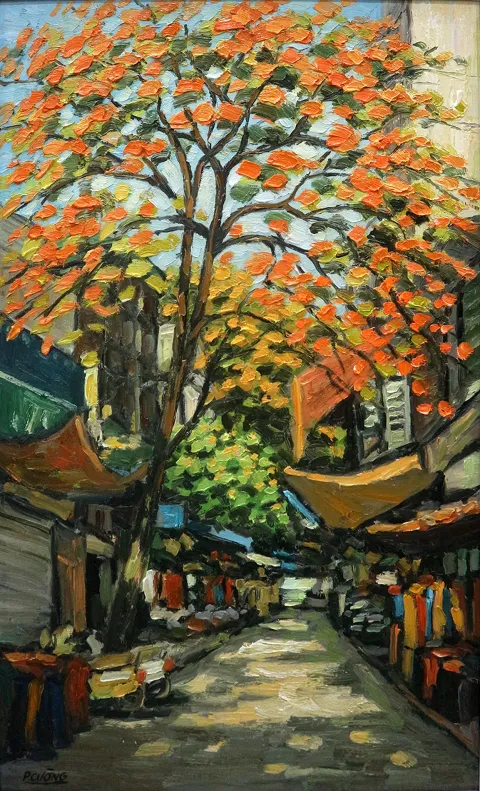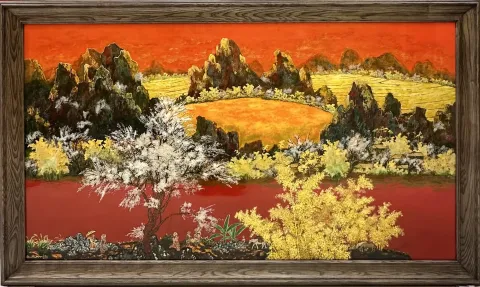

To learn how to start a private art collection in Vietnam, you should begin by defining your personal aesthetic and long-term goals. Collecting allows you to enjoy the daily presence of works that offer cultural richness and visual pleasure. You can build a portfolio that reflects your unique taste while exploring the diverse landscape of Vietnamese fine art.
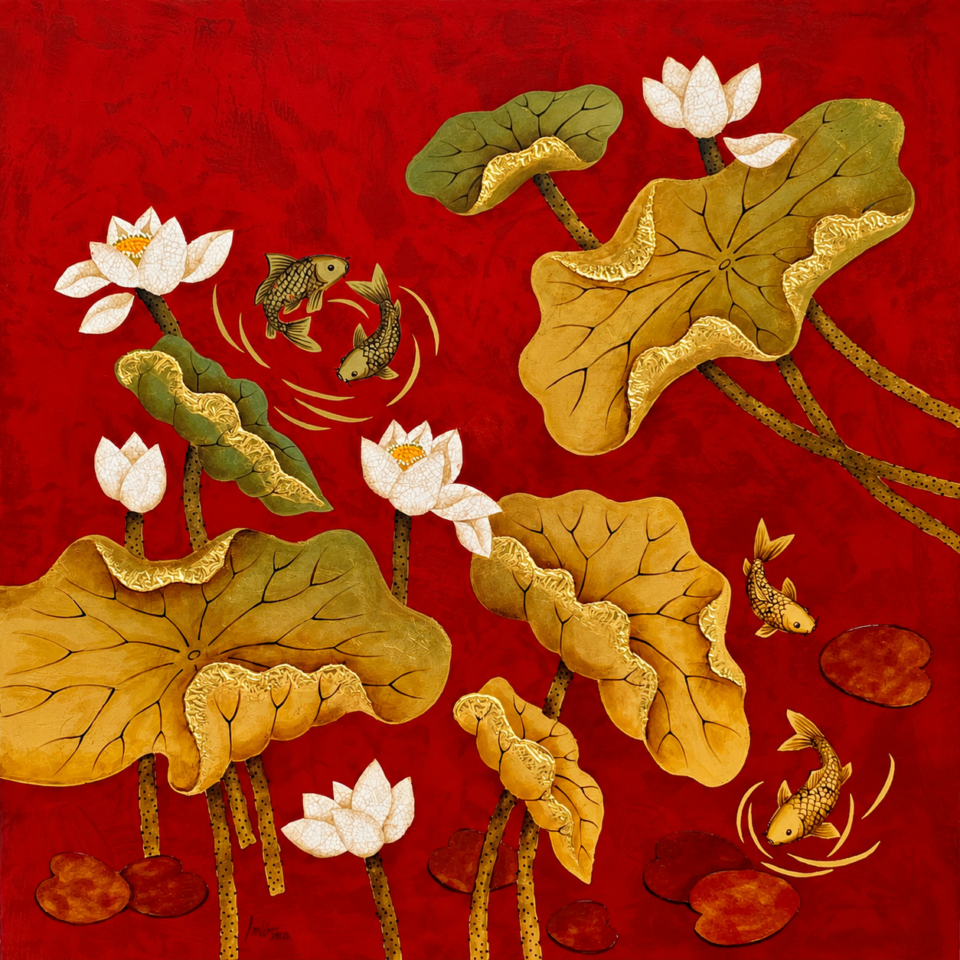
You will be able to check whether works are original, verify provenance, and navigate the logistics of acquiring pieces from local galleries. This guide helps you decide on specific mediums like son mai or oil paintings. You can also learn how to manage a collection based on your available space and budget.
What defines a private art collection in Vietnam?
A private art collection in Vietnam is a personal curation that reflects your unique aesthetic preferences and cultural interests. For many, it begins with a fondness for the local heritage, such as the distinctive techniques found in Vietnamese lacquer painting. This medium often features deep reds and luminous blacks that shift when viewed from different angles.
When building your collection, you might consider various styles ranging from traditional crafts to contemporary oil on canvas works. For instance, you could choose between a modern piece like Emerald Serenity by Dang Phuong Viet or a classic lacquer work such as Northern Vietnam Mountain Village. Understanding these different mediums helps you define what your collection will represent in your home.
To begin exploring these works, you can research Visiting an art gallery in Hanoi to understand local customs and artistic styles. You might also consider the Time of day to visit art galleries to find a quiet period for viewing.
Ways to structure your initial selection:
- Identify a primary medium, such as oil on canvas or lacquer painting, to create a cohesive visual theme.
- Choose works that resonate with your daily life and the specific rooms where they will hang.
- Research individual artists whose techniques, like The role of gold leaf in lacquer, align with your taste.
To ensure you find the right pieces for your space, ask the gallery about the specific dimensions and how different mediums react to indoor lighting. You may also want to inquire about the availability of a private selection tailored to your specific budget and project goals.
Defining your personal aesthetic and collection goals
Starting a private collection begins with identifying what resonates with your personal taste. You might feel drawn to the luminous depth of son mai, which is a traditional Vietnamese lacquer painting technique. Alternatively, you may prefer the expressive textures found in contemporary oil on canvas works.
To narrow your focus, consider these steps for your first acquisition:
- Identify a preferred medium, such as lacquer or oil, to understand how different materials interact with light.
- Research specific artists whose themes align with your interests, like the floral motifs of Dang Phuong Viet.
- Observe how a piece fits into your physical environment by considering the size and color palette of your home.
Comparing two distinct styles can help clarify your direction. For instance, you might choose between the traditional craftsmanship of lacquer or the modern approach of oil paintings. If you are unsure about which style to prioritize, you can ask the gallery for a private selection based on your specific room size and decor.
You may also want to review How to Buy Vietnamese Lacquer Art to learn more about the technical demands of this unique medium. Knowing these details helps you build a collection that provides aesthetic pleasure and cultural richness every day.
How to identify original works and verify provenance
When building a private collection, verifying that an artwork is an original piece remains a primary concern for every new collector. Distinguishing between high-quality reproductions and unique fine art requires attention to specific details regarding the artist’s technique and official documentation. Many artworks in Vietnam utilize complex methods like son mai, where layers of resin create a distinct depth and glow.
To check that your acquisitions are original, you should follow these steps when interacting with galleries:
- Request an official Certificate of Authenticity signed by both the artist and the gallery.
- Examine the physical medium, such as oil on canvas or lacquer painting, to confirm it matches the provided description.
- Ask for a detailed provenance history, which tracks the ownership of the piece from its creation to your hands.
- Request high-resolution photographs or a video call to observe the textures and details of specific works closely.
For example, if you are interested in a work by Dinh Quan, such as The Lady with lotus, you can request a private selection to see detailed images and dimensions. This allows you to inspect the craftsmanship before making a commitment. You may also wish to learn how to verify gallery reputation for online purchases to build confidence in your source.
What specific documentation does the gallery provide to confirm the history and origin of a particular painting?
Common mistakes when building an art portfolio
Building a private collection involves more than selecting pieces you enjoy. Many first-time collectors overlook the practicalities of preservation, which can lead to damage from Vietnam’s local environment. High humidity and temperature fluctuations can affect various mediums differently over time.
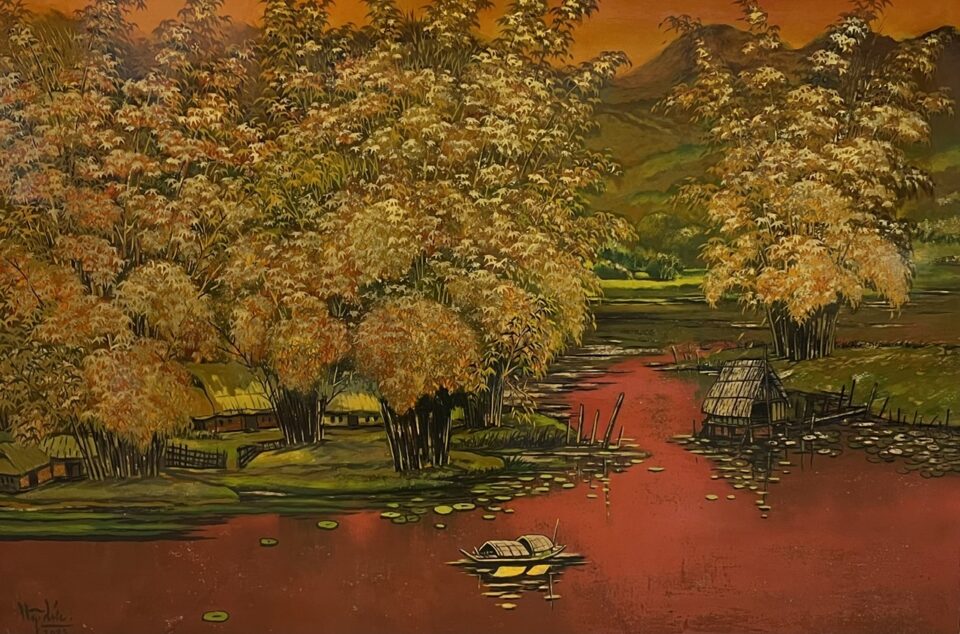
To ensure your acquisitions remain in good condition, consider these steps before making a purchase:
- Research the specific storage needs for different materials like oil on canvas or son mai.
- Identify a stable location within your home that avoids direct sunlight and moisture.
- Consult with a gallery regarding the specific care requirements for an artist’s unique technique.
For example, if you are interested in the work of Nguyen Minh Phuoc, you might ask how his oil on canvas pieces react to different lighting setups. Understanding these details helps prevent fading or cracking. You should also consider whether your space can accommodate larger dimensions, such as a 100×150 cm painting by Dang Phuong Viet.
When planning your acquisition strategy, ask the gallery:
- What specific environmental conditions are required to maintain this medium?
- Are there particular risks associated with hanging these works in a tropical climate?
Questions to ask a gallery before making your first purchase
Engaging with a professional gallery is an essential step for building confidence as you begin your journey into Vietnamese fine art. Because many works are not listed online, asking targeted questions helps you uncover hidden opportunities and understand the specific nuances of different mediums. For instance, if you are interested in son mai, you should ask about the layering process since these pieces are technically demanding to produce.
To ensure you have a clear understanding of your potential acquisition, consider requesting the following details from gallery representatives:
- What specific artist techniques were used for this painting or lacquer work?
- Can you provide high-resolution photographs and dimensions for pieces not on display?
- What is the process for obtaining an official Certificate of Authenticity signed by the artist?
- Are there options to arrange a video call to see the texture and depth of the work in different lighting?
You can also request a private selection based on your specific needs. To do this effectively, tell the gallery about your project subject, the required size, and the room where the work will hang. Providing photos of your space allows the team to suggest works that fit your environment well. If you are unsure about a specific piece, ask the gallery how it might look in a large hallway versus a smaller living area.
Frequently asked questions
How do I verify if a painting is an original work?
A Certificate of Authenticity can help confirm the piece as an original work rather than a reproduction. For specific works, you should ask the gallery about the unique provenance and any signatures present on the canvas or lacquer surface.
What are the best ways to preserve art in a tropical climate?
You should keep artworks away from direct sunlight and moisture sources to prevent degradation. Because preservation needs depend on the specific medium and materials used, you may wish to ask the gallery for tailored care instructions.
Can I start a collection with a small initial budget?
Starting a collection depends on your personal goals and the types of works that resonate with your aesthetic. You can begin by selecting smaller pieces or exploring different mediums to build your knowledge of local artists. To find options that suit your specific financial plan, you should ask the gallery for a curated selection.
Are there specific taxes for importing art into Vietnam?
Importing original works involves navigating various customs documentation and potential duties. These requirements can vary based on the country of origin and the nature of the shipment. You should consult with a logistics specialist or ask the gallery about their experience with international shipping to understand these specific regulations.