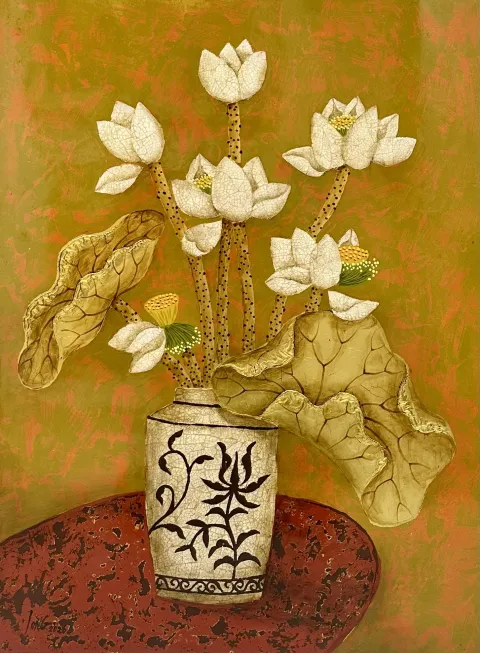
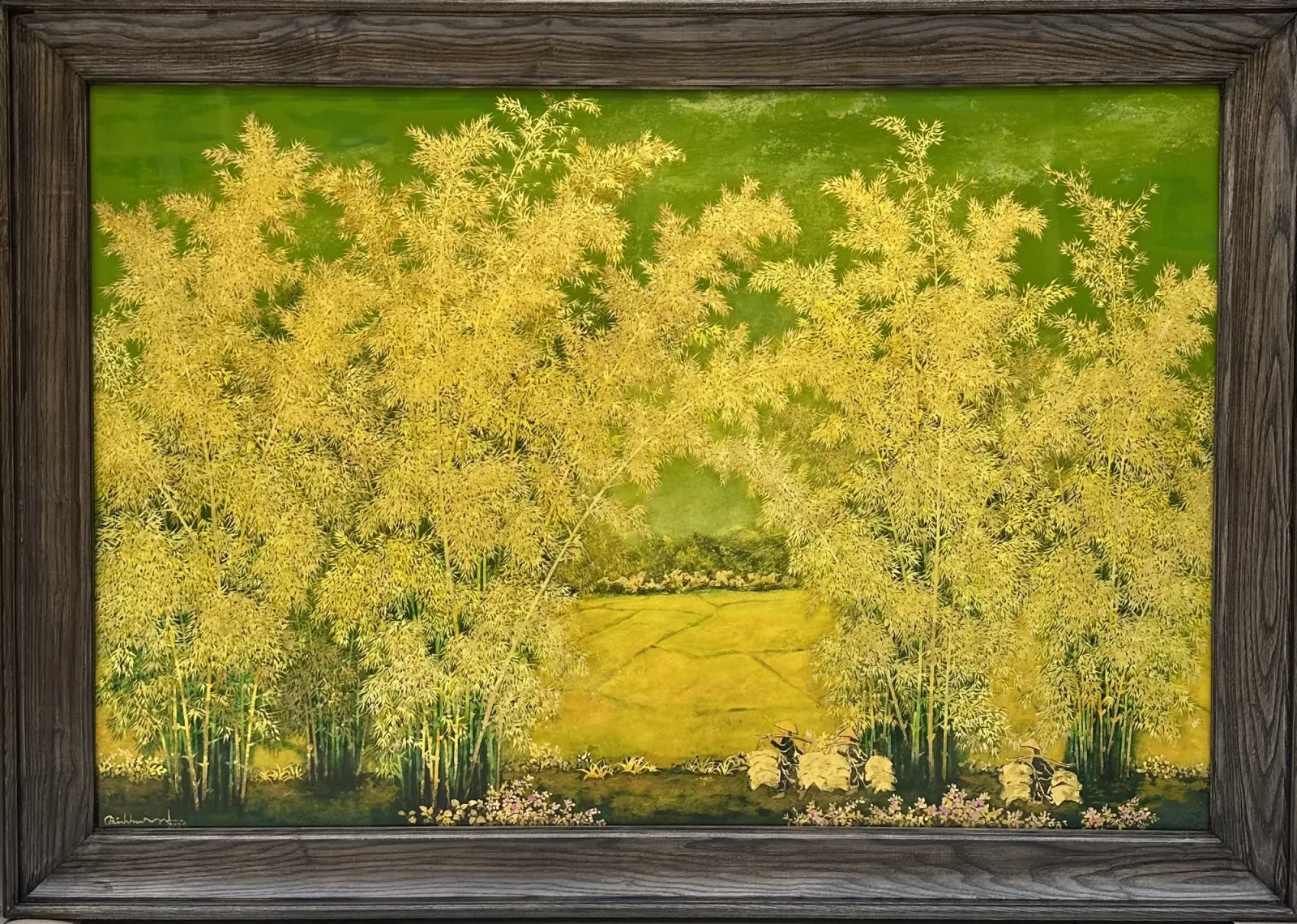
Securing proper art insurance for international shipping is a vital step to protect your investment while it travels across borders. When you acquire original paintings from Vietnam, understanding how these policies function helps ensure the work arrives safely at your destination. This process involves coordinating specific coverage details with professional logistics.
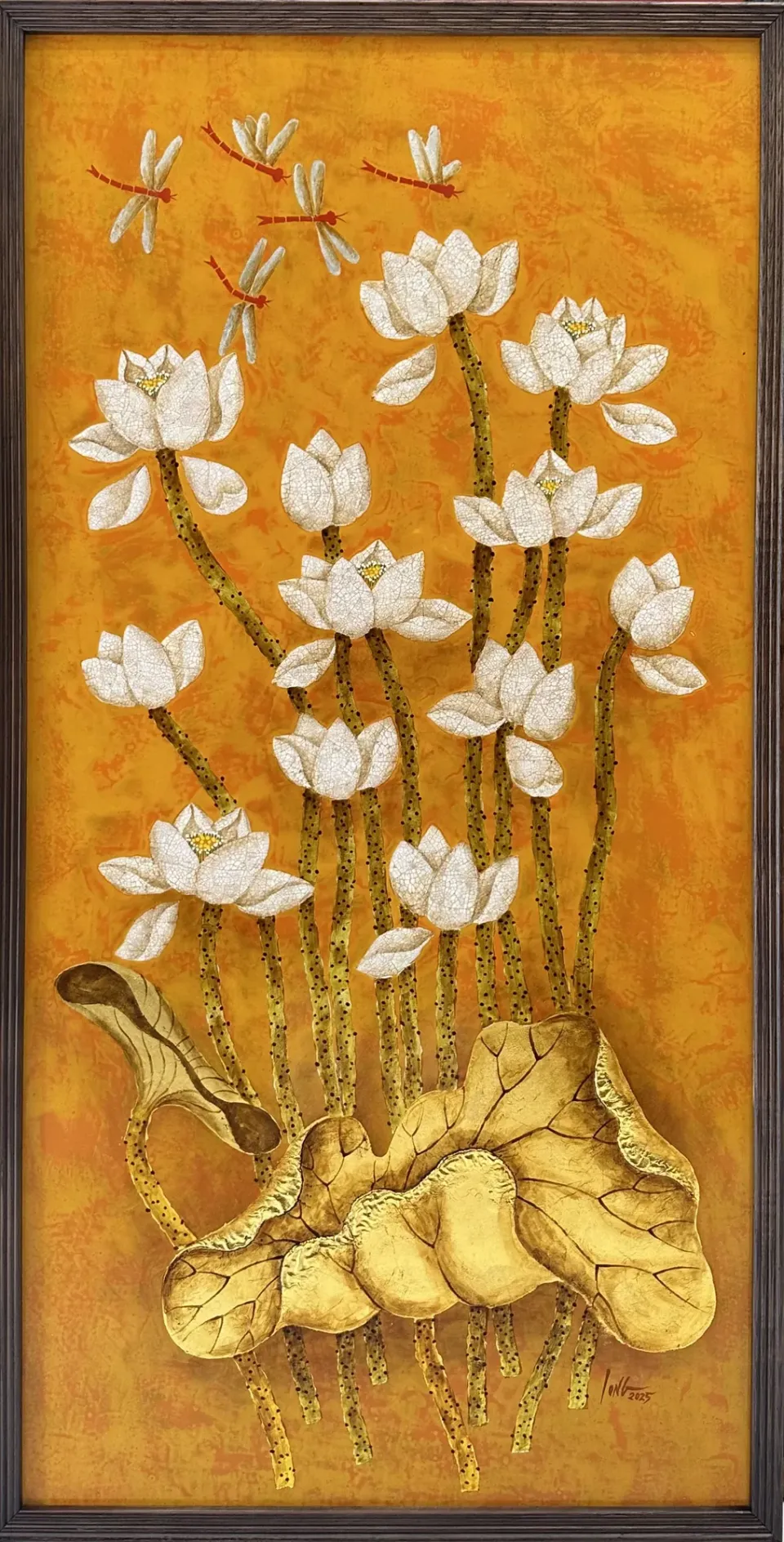
You can see how different packing methods, such as double-wall cartons or timber frames, affect risk levels during transit. You will also learn to distinguish between standard carrier liability and comprehensive fine art policies. Ask the gallery for a detailed estimate of costs and timing before you complete a purchase.
What does fine art transit insurance cover?
When you acquire an original painting from Vietnam, understanding the difference between standard carrier liability and specialized fine art transit insurance is essential. Standard shipping services often provide limited coverage that may not account for the unique vulnerabilities of delicate materials like lacquer or oil on canvas. Specialized insurance is designed to address specific risks encountered during long-haul transport.
Key differences in coverage scope
Standard carrier policies typically offer a baseline level of protection, but they often exclude certain types of damage common in art logistics. For instance, these may not cover environmental fluctuations or specialized handling requirements. Fine art transit insurance provides more comprehensive protection by addressing:
- Damage from vibrations or sudden movements during flight or sea freight.
- Climate-related issues such as humidity changes that affect wood panels or paint layers.
- Theft or loss while the work is in a warehouse or undergoing customs clearance.
To ensure your collection remains protected, you can compare these two options when planning your purchase:
- Carrier Liability: Often limited to a set amount per pound and may require complex documentation to prove negligence by the courier.
- Comprehensive Fine Art Insurance: Is designed to cover the declared value of the work, depending on the policy terms.
Every shipment from our gallery is professionally packed and fully insured. For works like Hanoi old street I by Pham Cuong, we use specific methods such as timber frames and double-wall cartons to mitigate risks before the insurance even takes effect. You can learn more about Buying Vietnamese art online to understand logistics.
You should ask the gallery about the specific insurance providers used and how they handle claims in your specific country. This helps you prepare for any potential issues during cross-border transport.
How to value your artwork for a global policy
Determining the correct appraisal value is a vital step when securing coverage for international shipments. You need an accurate figure to ensure that your painting, such as Hanoi old street IV by Pham Cuong, receives full financial protection during its journey from Hanoi to your collection.
Standard shipping labels often provide only basic liability limits, which may not cover the true worth of fine art. To establish a reliable value for insurance purposes, consider these factors:
- Provenance and Authenticity: Ensure you have the official Certificate of Authenticity signed by the artist and the gallery to verify ownership.
- Current Market Context: Review how prices are formed in the contemporary Vietnamese art market to reflect a realistic valuation.
- Condition Reports: Document the state of the work before it is packed into its timber frame or double-wall carton.
When you are unsure about specific figures, you can refer to our guide on Vietnamese Art for Hotel and Resort Interiors for insights into professional curation standards.
To prepare for your shipment, you might ask the gallery:
- What specific documentation is provided to support the valuation of this painting?
- How does the insurance coverage change if I choose to have a work shipped rolled versus stretched and crated?
- Does the provided estimate include comprehensive insurance for all transit stages, including customs clearance?
Because every piece is unique, the final valuation can depend on specific dimensions and the artist’s current standing. Please contact us for a detailed estimate of cost and timing before you complete your purchase.
Comparing specialized coverage with standard shipping
When moving an original painting across borders, you must distinguish between basic courier services and professional art logistics. Standard shipping often relies on carrier liability, which may have strict limits on the value of lost or damaged goods.
Choosing between these two options depends on your specific needs and the scale of the shipment. Consider these factors when deciding on a shipping method:
- Handling Expertise: Fine art specialists understand how to manage delicate surfaces, such as those found in lacquer paintings or oil on canvas.
- Climate Control: Specialized shippers often monitor temperature and humidity changes that can occur during international flights.
- Customs Support: Professional services help navigate the documentation required for cross-border movement of cultural objects.
You might find it useful to read about Buying Vietnamese Art as a Gift to see how different sizes and mediums impact logistics. For example, small oil works can travel rolled in a tube, while larger pieces require crating.
To ensure your collection remains protected, ask the gallery about the specific packing methods used for each medium. You may also want to ask: “Does the provided insurance cover damage that occurs specifically during customs clearance?”
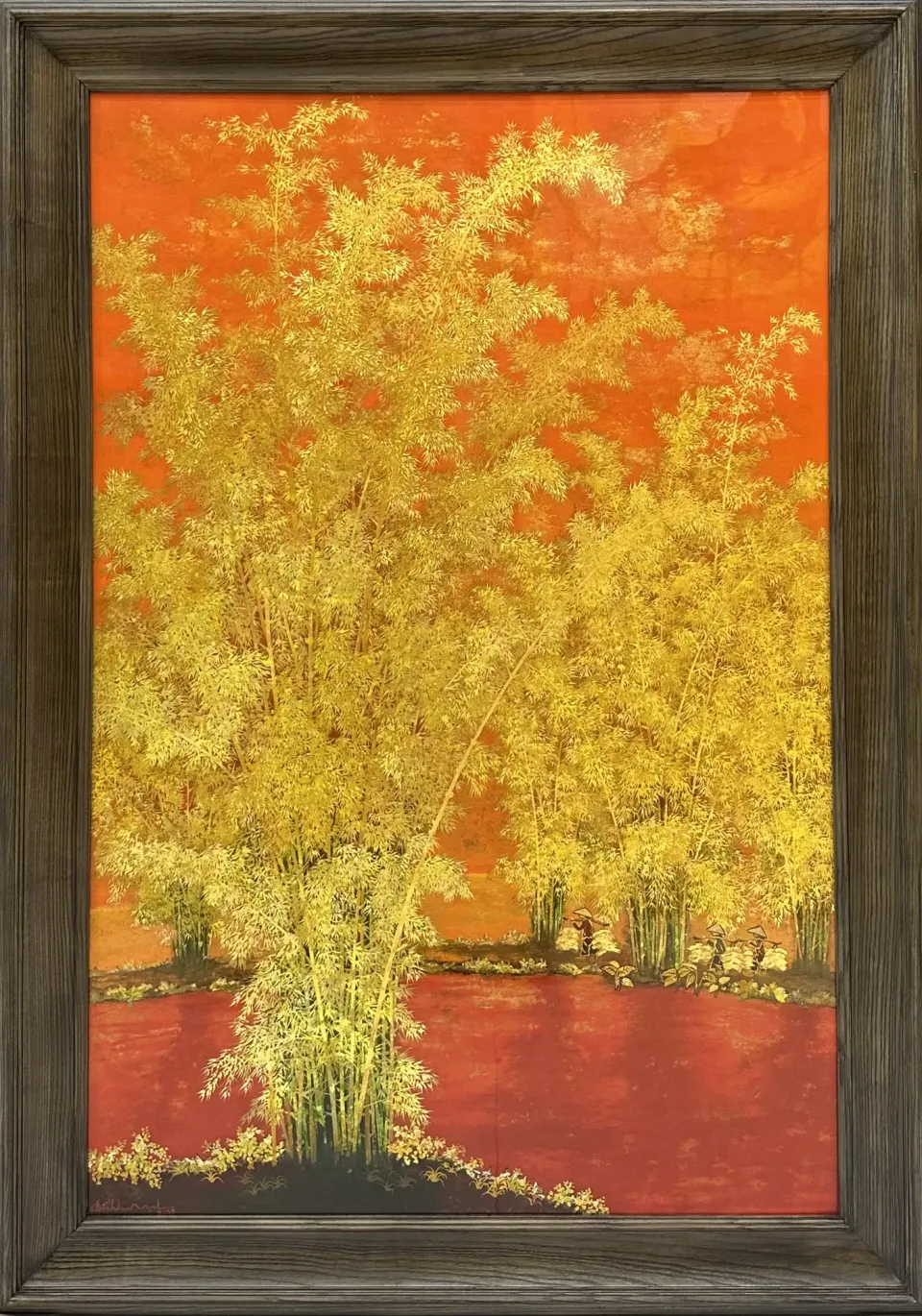
Common pitfalls in international claims and documentation
Navigating the logistics of moving fine art across borders requires careful attention to administrative details. Errors in paperwork can lead to delays during customs clearance or complications when filing a claim for damaged goods. You should ensure that every document accurately reflects the contents of your shipment to avoid unexpected issues at international checkpoints.
To protect your acquisition, consider these steps before finalizing your shipment:
- Verify that the Certificate of Authenticity is included with all shipping documents.
- Confirm that the declared value on customs forms matches your insurance policy.
- Check if the shipping method provides climate control for sensitive materials like oil on canvas.
For example, if you purchase Hanoi old street I by Pham Cuong, you must ensure the documentation clearly states its dimensions and medium. If the paperwork is vague, customs officials might hold the package, potentially exposing the work to fluctuating temperatures or humidity. You may want to ask the gallery: “What specific documents do you provide to ensure smooth customs clearance for my specific painting?”
Understanding these requirements helps prevent common mistakes regarding environmental damage during long-haul transit. Proper documentation can help your art arrive in good condition.
Questions to ask your gallery before booking transit
Securing a piece of Vietnamese fine art for your home involves coordinating several logistical layers. Because every shipment is unique, you should clarify specific details with the gallery to ensure your acquisition arrives in proper condition. These steps help you understand how the gallery manages risks during long-haul transport from Hanoi to your location.
Before finalizing your purchase, consider these questions to confirm the safety of your selection:
- What specific packing method will be used for my chosen medium? For example, ask if a lacquer painting by Thanh Chuong will be fitted into a timber frame or a double-wall carton.
- Can you provide a detailed estimate of the shipping cost and the expected delivery timeline before I complete the purchase?
- Does the comprehensive insurance cover the full value of the work during every stage of the journey, including customs clearance?
- Will my oil painting be shipped stretched in a crate or rolled in a tube to prevent surface damage?
You can find more information regarding international shipping policies on the gallery website. If you have specific concerns about a work like Hanoi old street III, ask the gallery for a tailored logistics plan.
Frequently asked questions
Does standard shipping insurance cover theft or breakage?
Standard carrier liability often provides limited coverage that may not meet the requirements for fine art. For original paintings, we provide comprehensive insurance during transit to protect against these risks. This ensures your acquisition remains protected from the gallery to your door.
How do I get a professional appraisal for my painting?
The value of an artwork depends on its specific history and unique characteristics. For items like Hanoi old street I, you should consult with the gallery to discuss the work. We can provide details regarding the artist and piece to help determine appropriate coverage.
What happens if the art is damaged during customs clearance?
Damage during customs clearance is a risk in international logistics. Our shipments are professionally packed and fully insured. Please ask the gallery for specific details regarding your destination’s customs procedures.
Is it better to use a specialized fine art shipper?
Specialized shippers offer expertise in climate control and handling that standard couriers might lack. We manage professional packaging, such as timber frames for lacquer works or crates for oil paintings. This approach helps reduce risks during long-haul transit.