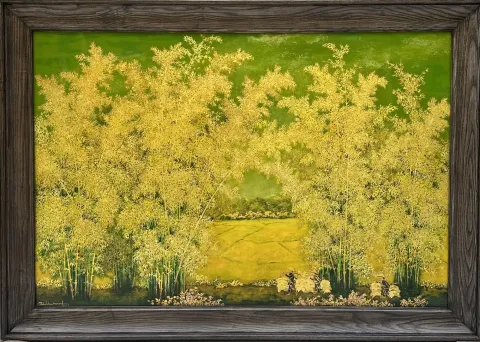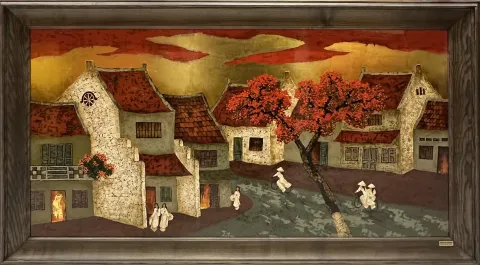
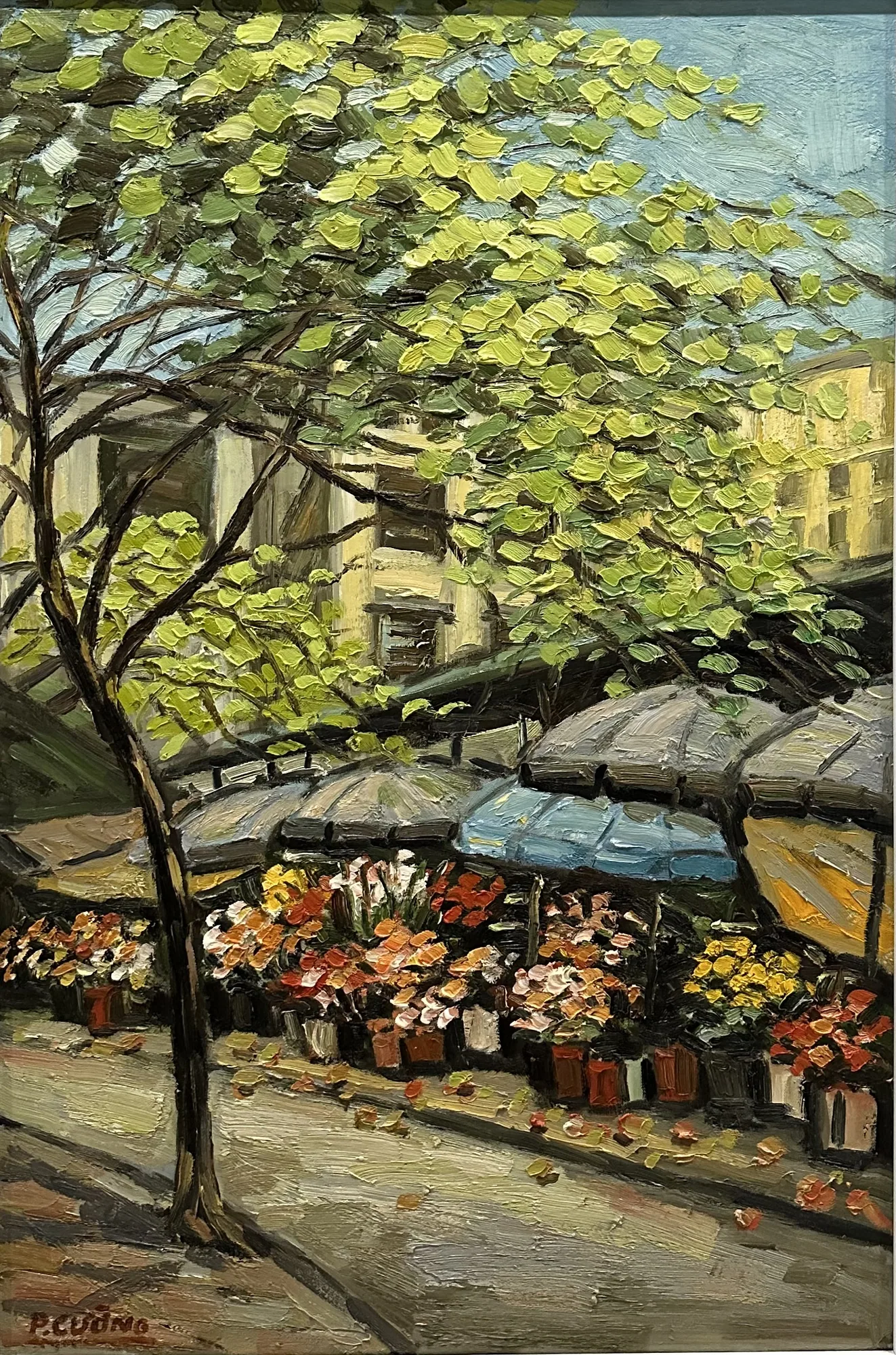
Following proper etiquette for visiting Vietnamese art galleries helps you show respect for the cultural history and contemporary expressions found within these spaces. These galleries often sit along historic streets like Tràng Tiền Street, where tradition meets modern creativity. You can learn how to navigate these environments while appreciating the unique craftsmanship of local artists.
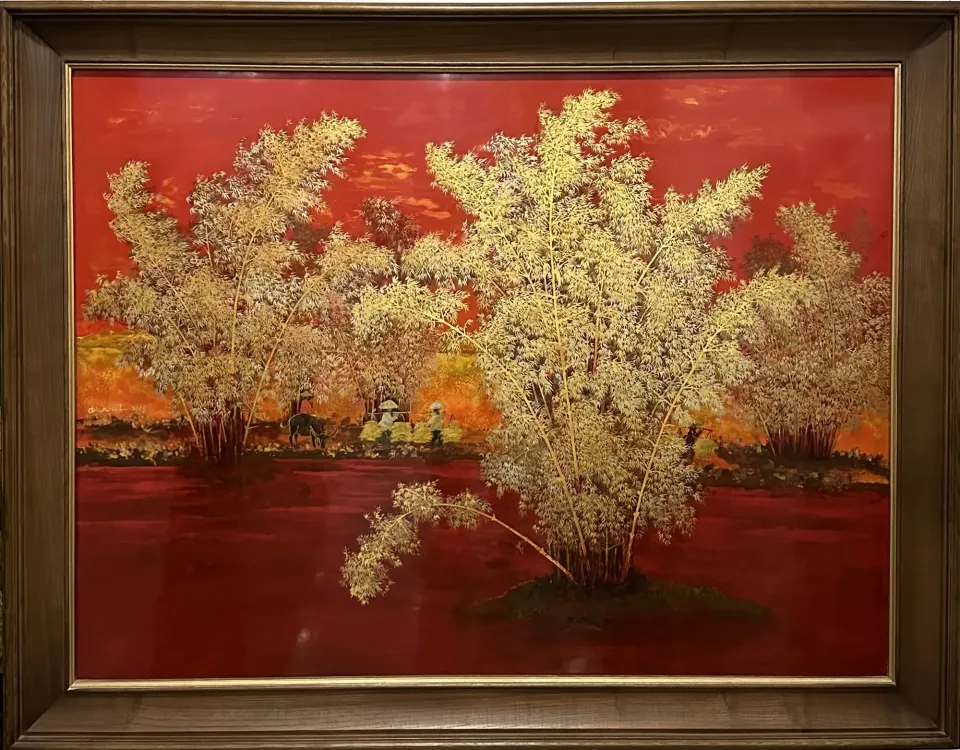
You will be able to check specific behaviors regarding physical interaction with artworks and identify common cultural norms. This information helps you decide on appropriate ways to engage with gallery staff and explore different mediums like lacquer paintings. Ask the gallery about any specific rules for photography or guided tours. To plan your route first, see the gallery location page.
What are the basic cultural norms in a gallery?
Entering a gallery space in Vietnam means stepping into an environment where historical traditions meet contemporary artistic expression. These venues often sit along historic streets, such as Tràng Tiền Street, which connects two distinct parts of the city. Because these spaces serve as cultural hubs, maintaining a respectful demeanor helps preserve the atmosphere for other visitors and artists.
When you explore these galleries, it is helpful to keep several behavioral norms in mind to ensure a positive experience:
- Maintain a quiet tone of voice while moving through different rooms or sections.
- Observe the physical boundaries of the artwork to avoid any accidental contact.
- Take note of specific rules regarding photography before using your camera.
- Ask for permission if you wish to take photos of specific pieces or the interior.
Understanding local mediums, such as lacquer paintings and oil on canvas, adds depth to your visit. You can see how different techniques reflect Vietnamese heritage while exploring various styles. For more details on local customs and what to expect, you can read about Visiting an art gallery in Hanoi.
To make the most of your visit, consider these questions for the staff:
- Are there specific areas where photography is restricted?
- Can you provide information on the artist’s background for a specific piece?
- Is it possible to view certain works in more detail with a gallery guide?
How to respect the artwork and the space?
When you enter a gallery, it is important to maintain a respectful distance from the pieces. Physical boundaries help preserve the integrity of delicate mediums like lacquer paintings or oil on canvas works. You should avoid touching any surfaces, as oils from your skin can damage delicate materials over time.
Photography rules vary depending on the specific gallery and the artist’s preferences. Some spaces allow photos for personal use, while others may restrict them to protect copyright or maintain a quiet atmosphere. To ensure you follow the correct protocol, consider these steps:
- Observe signs at the entrance regarding camera usage and flash restrictions.
- Keep your voice at a low volume to respect other visitors viewing the collection.
- Maintain a comfortable distance from large works like Hanoi old street I by Pham Cuong.
If you are unsure about a specific rule, you can ask the gallery staff for guidance before taking photos. This ensures you enjoy the experience while protecting the cultural heritage of the artworks. You might also ask: “Are there any specific restrictions on photography for this collection?”
Which behaviors should international tourists avoid?
Understanding local customs helps you create a positive experience while viewing art in Vietnam. When visiting a gallery, your behavior should show respect for the cultural history present in the room. You can maintain a respectful atmosphere by following these simple guidelines:
- Avoid touching any surfaces or artworks to prevent oils from your skin from affecting delicate materials like lacquer.
- Keep your voice at a low volume so other visitors can enjoy the quiet environment of the gallery.
- Refrain from using flash photography, as bright lights can disrupt the experience for others and may affect delicate pigments.
- Ask for permission before taking photos if signs indicate specific restrictions on capturing images.
Some visitors may feel uncertain about how to interact with staff when viewing a piece like Hanoi old street III by Pham Cuong. It is helpful to observe other guests first to understand the pace of the room. If you have questions about an artist or a specific medium, wait for a natural moment to approach a gallery representative. This ensures your inquiries do not interrupt others who are focused on the art.
What questions to ask before purchasing art?
When you transition from viewing artworks to considering a purchase, preparing specific questions helps you make an informed decision. You should focus on understanding the artist’s background and the technical details of each piece. This preparation allows you to feel confident in your selection for either personal enjoyment or as a long-term addition to your collection.
To better understand the context of a work, such as Hanoi old street IV by Pham Cuong, you might consider these points:
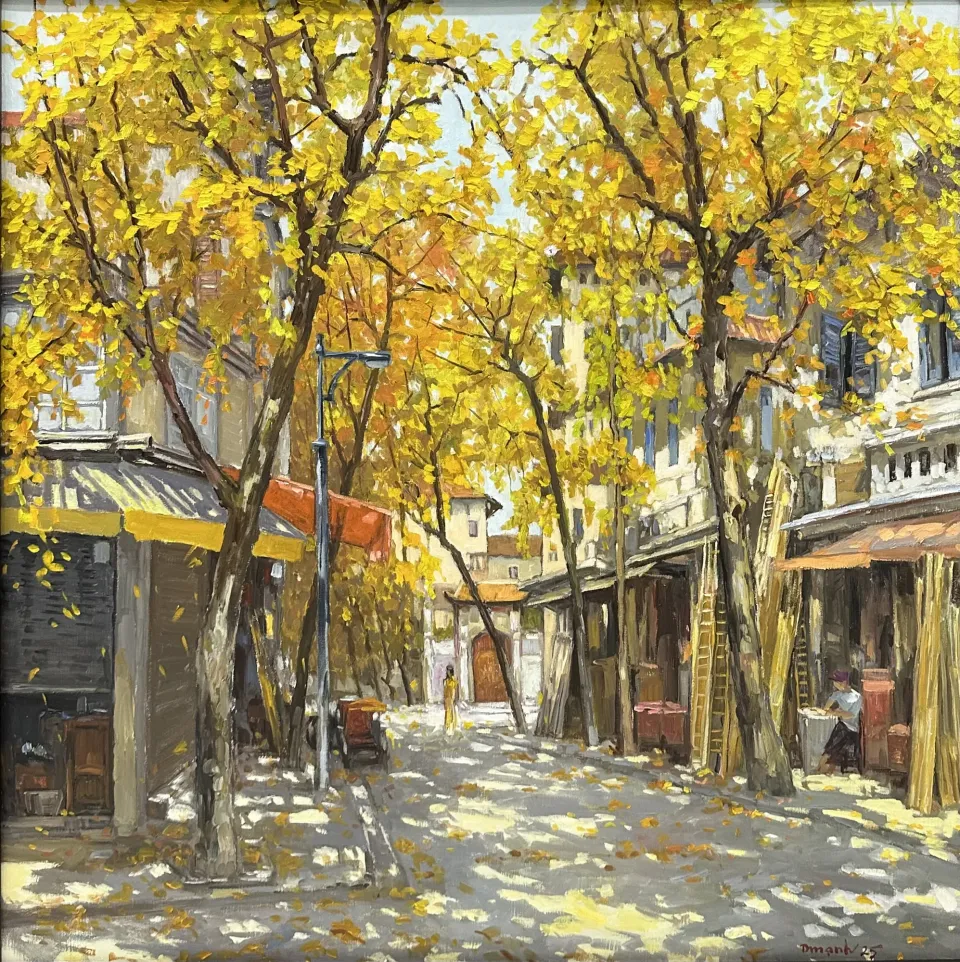
- What specific inspirations led the artist to choose this particular medium or subject matter?
- Can you provide information regarding the artist’s history and their place in the contemporary Vietnamese art scene?
- Are there any specific details about the materials used that affect how the painting interacts with natural light?
If you are considering a purchase as a gift or for your home, ask the gallery about different formats. For example, smaller oil on canvas works might be easier to frame compared to larger lacquer paintings. You can also learn more by reading the Vietnamese Contemporary Art Market trends to see how different styles are currently viewed. For practical details on what to look for as a visitor, see the Hanoi Art Gallery for Tourists guide.
Because every piece is unique, the specific details of a work can vary significantly between artists. You may want to ask the gallery about the following:
- What are the typical dimensions available for this artist’s series?
- Does this particular painting come with an official Certificate of Authenticity signed by the artist?
- How does the resin in a lacquer painting reflect color depth compared to oil on canvas?
How to transition from viewing to buying?
Moving from admiring a collection to discussing a purchase requires a shift in focus toward specific details. You can initiate this conversation by expressing interest in the craftsmanship or the narrative behind a particular piece. For instance, if you enjoy the oil on canvas works of Dang Phuong Viet, you might ask about the artist’s process.
When you decide to move forward with an acquisition, consider these steps to ensure a smooth experience:
- Identify specific works that resonate with your personal style or interior requirements.
- Inquire about the provenance and the official Certificate of Authenticity for each piece.
- Discuss shipping logistics if you plan to have the work delivered to a different location.
If you are selecting a painting as a gift, it is helpful to define the occasion first. You might choose a smaller-format oil on canvas for a housewarming or a larger lacquer painting for a corporate gift. For more guidance on choosing pieces for others, see the guide on Buying Vietnamese Art as a Gift.
To help you prepare for your visit, you may want to ask the gallery:
- Are there specific works by Pham Cuong currently available for purchase?
- What are the different options for professional packaging and insured delivery?
Frequently asked questions
Is it okay to take photos of the paintings with my phone?
You should ask the gallery staff about their specific photography policy before taking any pictures. While many spaces allow mobile photos, some may have restrictions regarding flash or professional equipment to protect the artwork.
Should I speak in a loud voice while discussing the art?
It is best to maintain a quiet tone when viewing works in a gallery setting. Speaking softly ensures that you do not disturb other visitors who are observing the collection in silence or deep reflection.
Can I touch the texture of the lacquer or oil paintings?
Please refrain from touching any artworks, including those with visible textures like lacquer or oil on canvas. Oils and resins can be sensitive to skin contact, so it is important to keep a respectful distance.
How do I ask for a price without being disrespectful?
You may approach the gallery staff to request information regarding a specific piece you admire. Asking about details like dimensions or the artist’s background first can help lead into a natural conversation about the work.